India 'rejected' US trade deal? Minister reacts to report amid negotiations as Iran war restarts
Source Entity
Latest News: Today's Latest News Headlines from India & World | Hindustan Times | Hindustan Times
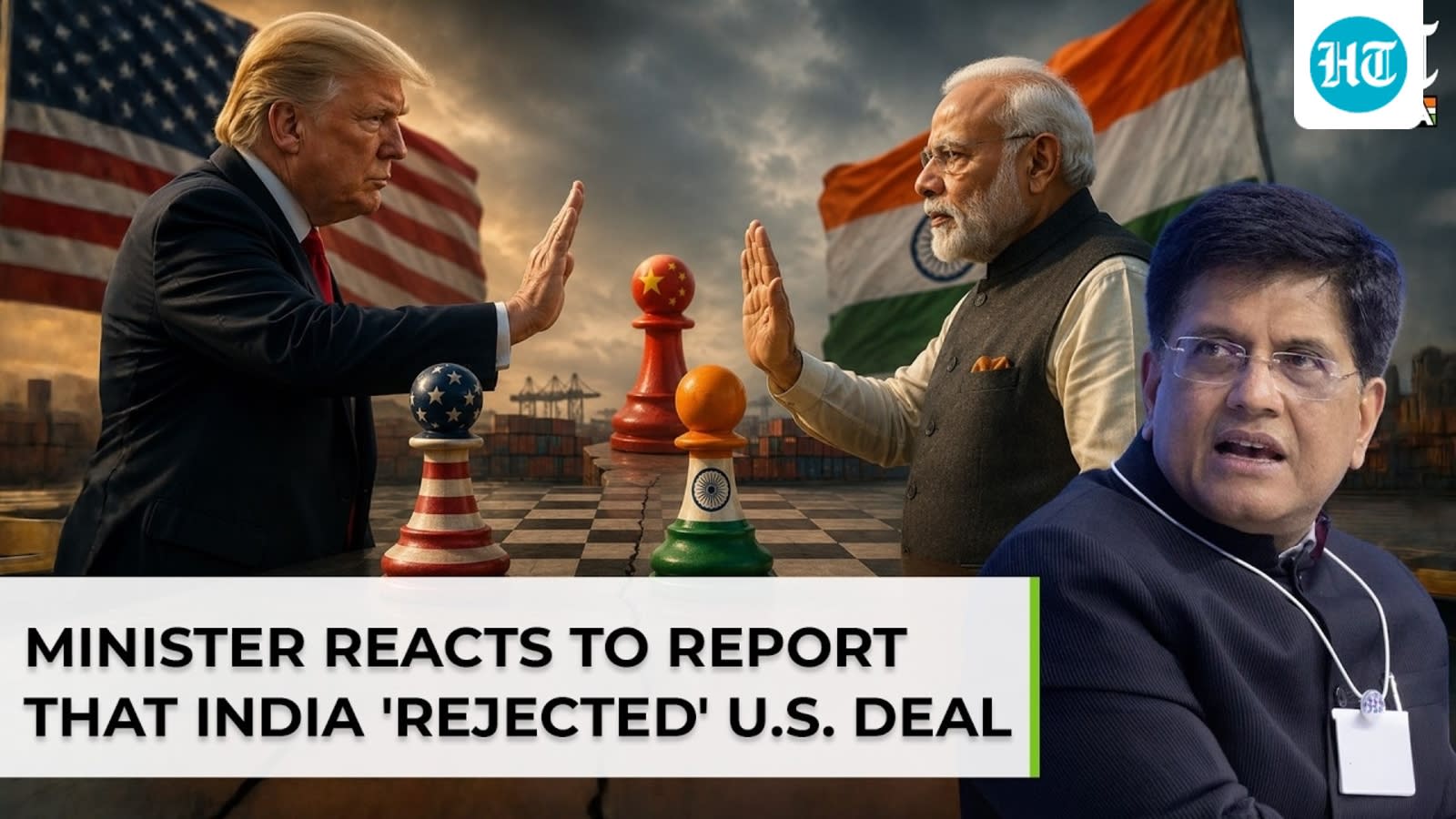
Did India reject a proposed trade deal with the United States? A Reuters report claimed New Delhi refused to sign a quick trade pact, seeking better terms on tariffs, agriculture, and market access. However, Union Commerce Minister Piyush Goyal has strongly denied the report, calling it false, baseless, and misleading. He said India and the U.S. remain committed to negotiating a balanced and commercially meaningful agreement. As tariff negotiations continue and the Trump administration prepares new trade measures, here's a detailed look at where India-U.S. trade talks stand, the sticking points, and what it means for businesses and exports.
The Tension of Trade: Analyzing the India-US Trade Narrative
The economic relationship between India and the United States is one of the most critical strategic partnerships of the 21st century. Recently, this relationship has been the subject of conflicting reports regarding the status of a bilateral trade agreement. A report by Reuters suggested that New Delhi had effectively rejected a proposed "quick-fix" trade pact, opting instead to hold out for more favorable terms on tariffs and market access. This claim has sparked a significant diplomatic reaction, with India's Union Commerce Minister, Piyush Goyal, categorically denying the report. This tension highlights the delicate nature of trade negotiations between two of the world's largest democracies, where the desire for closer ties often clashes with rigid domestic economic protections.
The Clash of Narratives: Reuters vs. The Indian Government
The core of the current controversy lies in the disparity between external journalistic reporting and official government communication. According to the Reuters report, India's refusal to sign a rapid deal was rooted in a strategic demand for better terms concerning tariffs, agriculture, and market access. However, Minister Piyush Goyal's response was swift and stern, labeling the report as "false, baseless, and misleading." By asserting that both nations remain committed to a "balanced and commercially meaningful agreement," Goyal is signaling to the global market and to Washington that the relationship remains stable and that the negotiation process is functioning, albeit with the caution required for such a massive economic undertaking.
Analyzing the Core Trade Friction Points
To understand why reports of a "rejection" emerge, one must look at the traditional friction points in India-US trade. Agriculture and tariffs have historically been the most contentious issues. India maintains high tariffs on certain agricultural products to protect the livelihoods of millions of small-scale farmers, a stance that the US often views as a barrier to fair trade. Conversely, the US has previously pressured India to lower duties on industrial goods (such as high-end motorcycles and tech hardware) and provide greater market access for American pharmaceutical firms. The pursuit of a "balanced" deal, as mentioned by Goyal, implies a struggle to find a middle ground where neither nation feels its core domestic interests—specifically food security in India and market expansion for the US—are being sacrificed.
The Influence of US Trade Policy and Geopolitics
The timing of these reports is particularly critical as the Trump administration prepares new trade measures. The US approach under this administration has been characterized by a transactional "America First" policy, often utilizing tariffs as leverage to secure concessions from trading partners. For India, this creates a complex environment where it must navigate the pressure to open its markets while simultaneously protecting its "Make in India" initiative, which aims to boost domestic manufacturing. The mention of continuing negotiations suggests that India is attempting to avoid the aggressive trade wars seen in other US partnerships, seeking instead a structured framework that recognizes India's status as a developing economy.
Broader Implications for Global Business and Exports
The uncertainty surrounding a trade pact has direct implications for businesses and exporters on both sides. For Indian exporters, a finalized deal could mean reduced tariffs on textiles, gems, and jewelry in the US market, potentially boosting GDP. For US companies, it would mean easier entry into India's vast consumer market and more predictable regulatory environments. The volatility of the narrative—shifting from a reported "rejection" to an official "commitment"—creates a climate of uncertainty for investors who rely on stable trade frameworks to make long-term capital commitments in infrastructure and manufacturing.
Conclusion: A Path Toward Equilibrium
In summary, while reports of a rejected trade deal may suggest a breakdown in diplomacy, the official stance from the Indian government indicates a process of rigorous negotiation rather than a termination of talks. The disagreement between the Reuters report and Minister Goyal reflects the inherent tension in high-stakes international trade. Moving forward, the success of the India-US trade relationship will depend on the ability of both nations to move past rhetoric and address the systemic differences in their agricultural and tariff regimes to reach a mutually beneficial agreement that satisfies both the "America First" and "Make in India" philosophies.
Verification Required?