Govt reveals when it will seal India-US deal: ‘Waiting for comparative tariff advantage’
Source Entity
Latest News: Todays Latest News Headlines from India & World | Hindustan Times | Hindustan Times
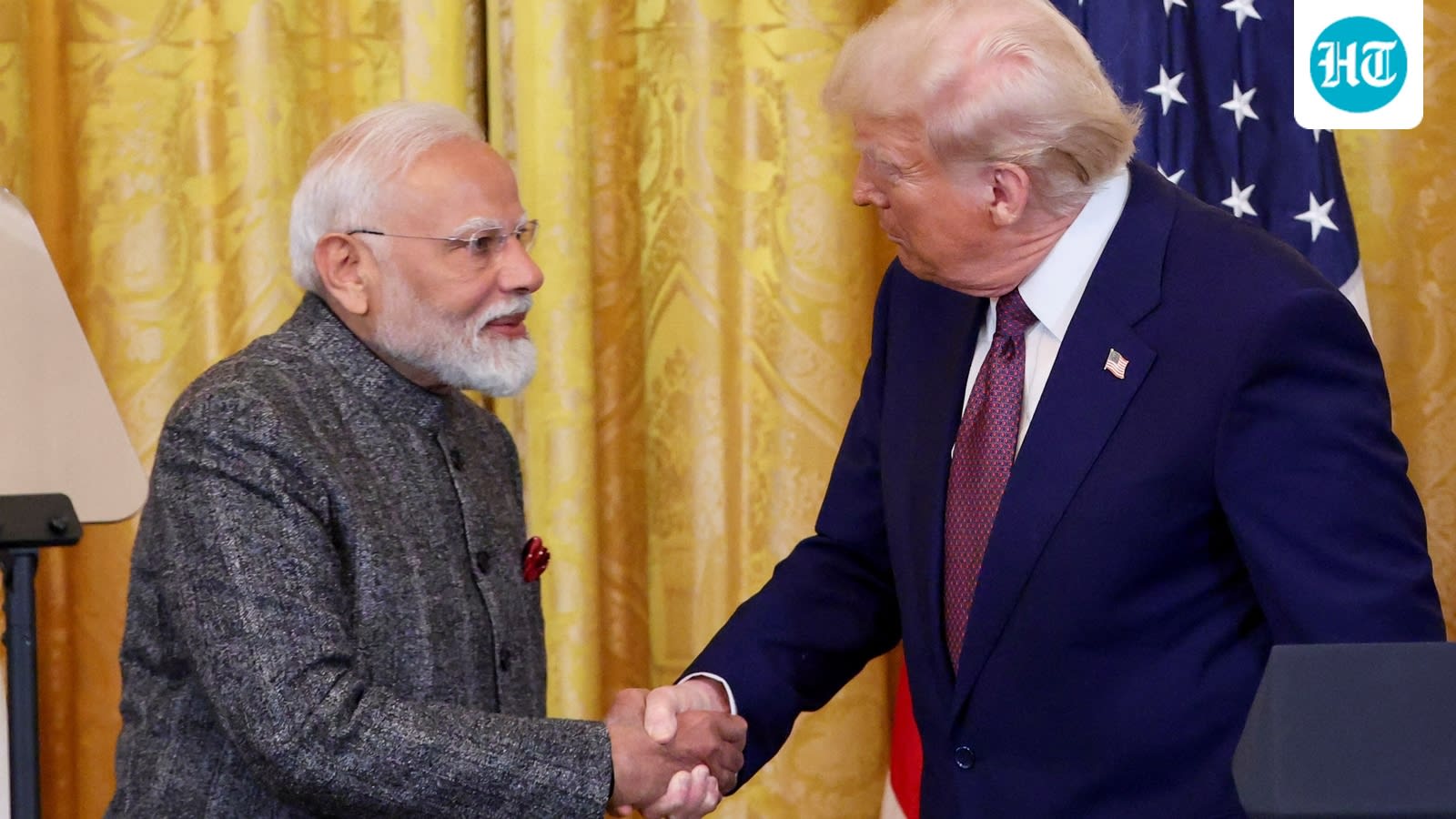
Commerce Minister Piyush Goyal has stated that an interim trade deal with the US depends on securing favorable tariff structures. India is simultaneously prioritizing ethical trade practices to avoid becoming a conduit for transhipment of goods from other nations.
India-US Trade Negotiations: Prioritizing Strategic Advantage
Commerce Minister Piyush Goyal has confirmed that the finalization of an interim bilateral trade agreement (BTA) between India and the United States is currently pending, contingent upon the establishment of a tariff structure that provides India with a clear comparative advantage. As India continues to expand its global trade footprint, having already secured preferential access to two-thirds of the global market through nine existing free trade agreements (FTAs), the government remains cautious and deliberate in its negotiations with major economies like the US, Canada, and Chile.
The Quest for Comparative Advantage
The core of the ongoing discussions with Washington centers on ensuring that any deal signed provides tangible economic benefits for Indian industry. By seeking a tariff structure that positions Indian goods favorably against global competitors, the Ministry of Commerce aims to protect domestic interests while facilitating deeper integration into the US market. This strategic patience reflects a broader shift in Indian trade policy, where the focus has transitioned from mere volume to high-quality, value-added trade partnerships.
Curbing Unethical Trade and Transhipment
Parallel to these negotiations, Minister Goyal has issued a strong directive regarding the integrity of Indian exports. He emphasized that India must not serve as a conduit for unethical trade or transhipments, where goods originating in other countries are routed through India with only marginal value addition. By highlighting the need for rigorous 'country of origin' certification, the government is signaling a commitment to building a reputation as a trusted, high-value partner in the global supply chain.
Preventing 'Conduit' Status
This stance is particularly relevant as the US and other western economies heighten scrutiny over supply chain transparency. Goyal’s explicit mention of avoiding the 'Vietnam model'—where products are essentially re-exported after minimal processing—underscores India’s desire to foster domestic manufacturing capabilities rather than acting as a mere logistical hub for foreign goods. This policy shift is intended to protect the sanctity of Indian trade agreements and ensure that preferential access is reserved for genuine Indian-manufactured products.
Future Outlook and Strategic Implications
As Minister Goyal prepares for his upcoming visit to the United States, the focus remains on balancing the aggressive pursuit of market access with the necessity of maintaining ethical trade standards. The success of future trade deals will hinge on India’s ability to prove that it is a source of genuine value addition. By prioritizing these structural requirements, India aims to solidify its position as a reliable, long-term trade partner capable of sustaining the rigors of the evolving global economic landscape.
Verification Required?