India-U.S. trade pact to be finalised keeping changed circumstances in mind: Piyush Goyal
Source Entity
India Latest News: Top National Headlines Today & Breaking News | The Hindu
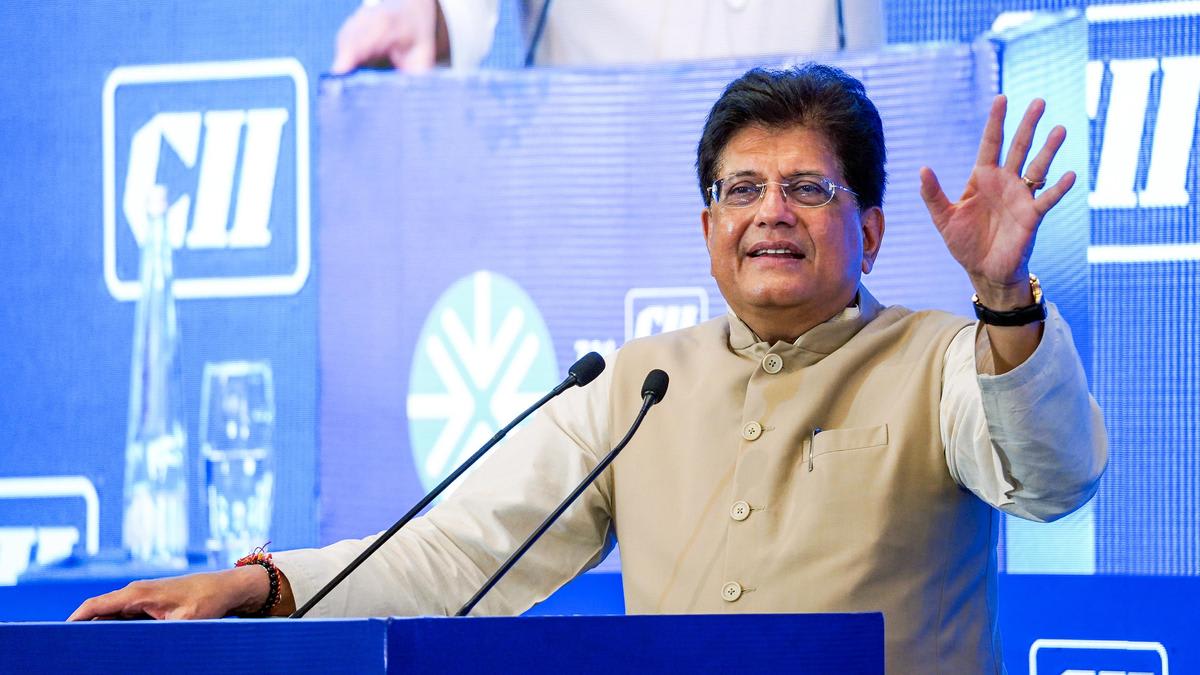
Commerce Minister Piyush Goyal announced that the India-U.S. interim trade pact is being revised to reflect evolving global economic circumstances. India is simultaneously advancing trade negotiations with several international blocs, including the GCC and the Eurasian Economic Union.
Evolution of the India-U.S. Trade Framework
Commerce and Industry Minister Piyush Goyal recently confirmed that the highly anticipated interim trade agreement between India and the United States, initially framed in February, is undergoing a recalibration. Speaking at the PHDCCI in New Delhi, Minister Goyal emphasized that the finalization of the deal is being adjusted to account for "changed circumstances," signaling a strategic pivot in response to shifting global economic conditions and evolving U.S. tariff landscapes.
Strategic Adaptation in Trade Diplomacy
The necessity for this revision underscores the volatile nature of international trade policy. When the initial framework was established, the global economic climate and bilateral priorities were anchored in a specific set of geopolitical and market realities. By acknowledging these "changed circumstances," the Indian government is demonstrating a pragmatic approach to trade diplomacy, ensuring that the final pact protects domestic interests while navigating the complexities of U.S. protectionism and market access requirements.
Expanding the Multilateral Footprint
Beyond the U.S. engagement, India is aggressively pursuing a broader trade agenda to diversify its export markets. Minister Goyal noted that negotiations are actively progressing with key regions including Israel, Chile, the Gulf Cooperation Council (GCC), and the Russia-led Eurasian Economic Union (EAEU). This diversification strategy is essential for India to mitigate risks associated with over-reliance on any single market and to tap into the comparative advantages offered by these diverse economic zones.
The Role of Legal and Technical Expertise
A critical component of these ongoing negotiations is the emphasis on legal expertise. As trade agreements become increasingly intricate, the ability to secure favorable terms for Indian goods—specifically regarding tariff structures—requires a sophisticated understanding of international trade law. The government’s focus on leveraging this expertise suggests a more technical and granular approach to ensuring that India’s industrial base remains competitive on the global stage.
Broader Economic Implications
The move to finalize these pacts reflects India's ambition to position itself as a central pillar in the global supply chain. By balancing high-stakes negotiations with the U.S. alongside emerging markets like Canada, Mexico, and the GCC, India aims to create a robust framework that supports its domestic manufacturing sector. These agreements are not merely about tariff reductions; they represent a long-term commitment to integrating Indian industry into the global economy.
Conclusion and Future Outlook
The trajectory of India's trade policy indicates a move toward resilience and adaptability. While the U.S. deal remains a flagship priority, the government’s concurrent focus on multiple regions demonstrates a holistic strategy aimed at long-term economic stability. As these negotiations conclude, the resulting agreements will likely serve as a blueprint for India's economic diplomacy, balancing the need for market access with the protection of the nation's evolving industrial interests.
Verification Required?