RBI opens dollar lifeline for oil PSUs as rupee comes closer to 97, crude tops $100
Source Entity
George Mathew
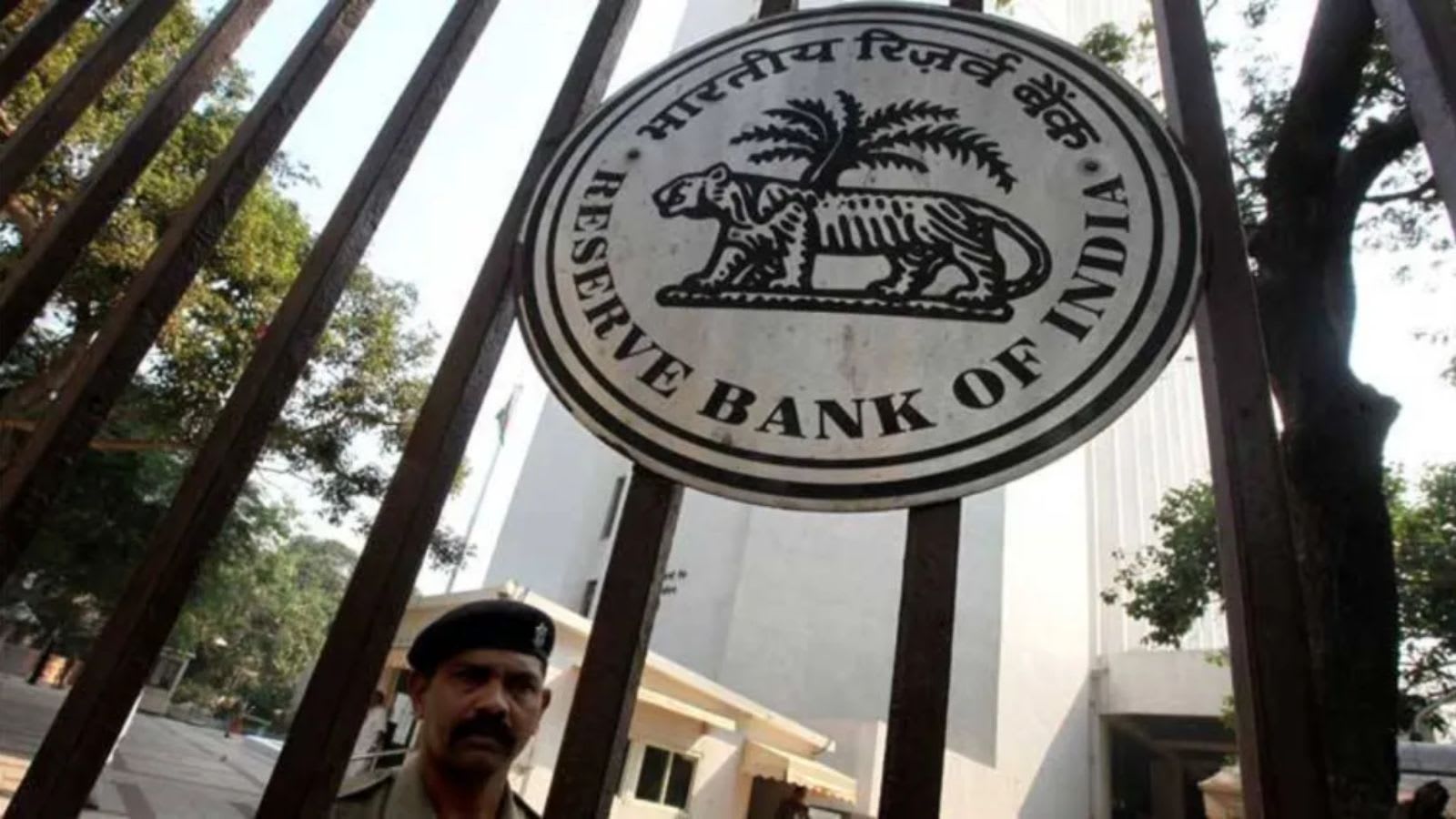
The RBI has launched a special dollar window for major oil PSUs and tightened derivative market regulations to stabilize the rupee as it nears 97 against the dollar. These measures aim to curb speculation and manage the economic impact of crude oil prices exceeding $100 per barrel.
RBI Intervenes as Rupee Nears 97 Against the Dollar
The Reserve Bank of India (RBI) has initiated a two-pronged strategy to stabilize the Indian rupee as it approaches the critical 97 mark against the U.S. dollar. This intervention comes amidst a volatile global energy market where crude oil prices have surged past the $100 per barrel threshold, placing immense strain on India’s foreign exchange reserves and trade balance.
Supporting State-Owned Energy Giants
Effective October 12, 2026, the RBI has established a dedicated dollar window for three major public sector oil marketing companies: Indian Oil Corporation (IOC), Hindustan Petroleum Corporation (HPCL), and Bharat Petroleum Corporation (BPCL). By allowing these entities to source their full daily dollar requirements directly through a central bank-operated facility, the RBI aims to prevent the massive demand for foreign currency by these firms from further devaluing the rupee in the open market.
Curbing Speculation in Derivatives
Beyond direct currency support, the central bank is taking a firm stance against market volatility by tightening regulations within the rupee derivatives market. The RBI has introduced a package of measures, including restrictions on rebooking cancelled foreign exchange derivative contracts and lowering the threshold for transactions that lack underlying exposure. These steps are designed to inject transparency into the sector and discourage speculative behavior that often exacerbates currency depreciation.
Strengthening Institutional Oversight
Documentation requirements for foreign exchange transactions have been significantly strengthened to ensure better compliance. Furthermore, the introduction of a new Foreign Exchange Risk Reserve (FERR) signals the RBI's intent to build a buffer against future shocks. These structural changes are likely to fundamentally alter the operational landscape for banks, corporations, and financial institutions navigating the current economic climate.
Broader Economic Implications
As crude prices remain elevated, the cost of importing energy continues to be a primary driver of rupee weakness. By decoupling the oil marketing companies' demand from the general foreign exchange market, the RBI is effectively creating a pressure-relief valve. This maneuver is essential to prevent a feedback loop where high import costs drive currency depreciation, which in turn makes further imports even more expensive for the Indian economy.
Future Outlook and Stability
Looking ahead, the success of these measures will depend on the duration of the global oil price surge and the effectiveness of the new derivative restrictions in curbing speculative bets. While the RBI has not set an end date for the dollar window, the market will likely view this as a clear signal that the central bank is committed to defending the rupee’s stability against extreme volatility. The coming months will be critical in determining whether these interventions are sufficient to anchor the rupee as global macroeconomic pressures persist.