‘Counsel, you are on mute’: The world of virtual courts
Source Entity
Amaal Sheikh, Sohini Ghosh
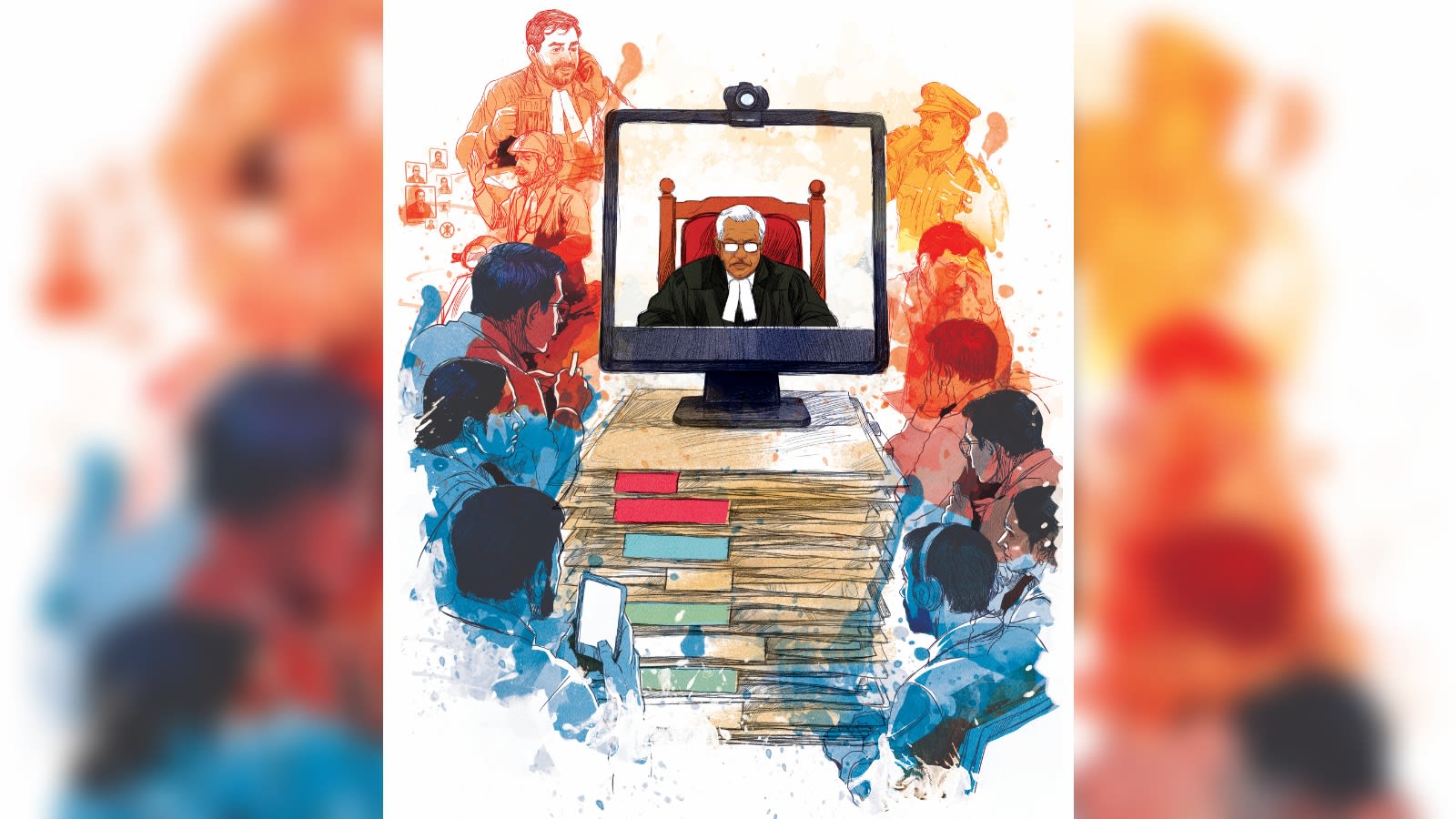
The COVID-19 pandemic acted as a catalyst for the digital transformation of the Indian judiciary, forcing a rapid shift from traditional physical courtrooms to virtual hearings to ensure the continuity of justice.
The Digital Evolution of the Indian Judiciary: From Courtrooms to Screens
The phrase "Counsel, you are on mute" has become a defining mantra of the modern Indian legal landscape. What began as a desperate necessity during the global pandemic has evolved into a systemic shift in how justice is administered in one of the world's most populous democracies. The sudden derailment of physical court operations forced the Indian judiciary to leapfrog decades of technological stagnation in a matter of weeks, transitioning from a paper-heavy, presence-mandatory system to a digital-first approach.
The Catalyst of Crisis and Rapid Adaptation
For decades, the Indian legal system was characterized by massive archives of physical files and the requirement for lawyers and litigants to travel vast distances to reach High Courts or the Supreme Court. The pandemic rendered this model impossible. The shift to virtual hearings was not merely a change in medium but a fundamental disruption of legal culture. This transition required judges, many of whom were accustomed to traditional methods, and lawyers to quickly master video-conferencing tools. This forced adaptation highlighted the resilience of the judicial system but also exposed the stark technical gaps that existed within the legal profession.
Democratizing Access to Justice
One of the most significant implications of virtual courts is the potential democratization of legal access. Historically, the cost of travel and lodging for litigants from rural areas created a financial barrier to seeking justice in higher courts. By removing the necessity of physical presence, virtual hearings have effectively brought the courtroom to the doorstep of the citizen. This shift reduces the overhead costs for lawyers and minimizes the logistical burdens on marginalized populations, potentially speeding up the resolution of cases that were previously delayed due to the inability of parties to travel.
The Digital Divide and Technical Friction
Despite the benefits, the transition has not been seamless. The "mute" button mentioned in the reports is a metaphor for a larger set of technical challenges. A significant digital divide persists across India, where inconsistent internet connectivity in rural districts can lead to disconnected hearings and procedural unfairness. Furthermore, the loss of the "courtroom atmosphere"—the non-verbal cues and the gravity of a physical presence—has been a point of contention among senior advocates who argue that the nuance of oral advocacy is diminished through a screen.
Structural Modernization and E-Filing
Beyond the hearings themselves, the move toward virtual courts has accelerated the adoption of e-filing and digital case management. The reduction of reliance on physical paper trails not only aligns with environmental goals but also streamlines the administrative side of the judiciary. The integration of digital records allows for faster retrieval of precedents and more efficient scheduling, addressing some of the chronic delays that have plagued the Indian judicial system for years. This structural modernization is a prerequisite for any sustainable hybrid model of justice.
Future Trends: Toward a Hybrid Judiciary
Looking forward, the Indian judiciary is unlikely to return entirely to the pre-pandemic status quo. The trend is moving toward a "hybrid model," where routine procedural matters are handled virtually while complex arguments and final hearings are conducted in person. We can expect further integration of AI-driven legal research tools and more robust cybersecurity frameworks to protect sensitive judicial data. The transition to virtual courts has set a precedent that efficiency and accessibility can coexist with the rule of law.
Conclusion
The shift to virtual courts in India represents a pivotal moment in the country's legal history. While technical glitches and the digital divide remain hurdles, the overarching move toward digitization has broken the inertia of a centuries-old system. By embracing technology, the Indian judiciary is not just recovering from a pandemic but is building a more inclusive, efficient, and modern framework for the delivery of justice.