'Don't deploy Indian sailors…': India's big warning to shipowners over Hormuz amid renewed US-Iran tensions
Source Entity
Latest News: Today's Latest News Headlines from India & World | Hindustan Times | Hindustan Times
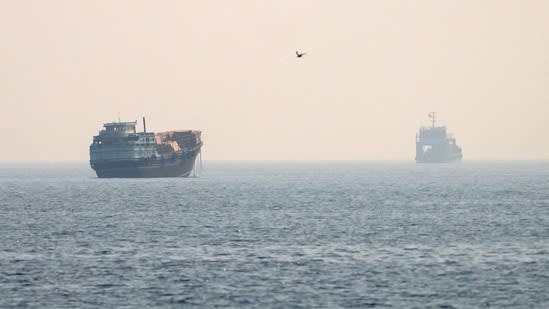
India has issued a stern warning to shipowners against deploying Indian sailors in the Strait of Hormuz following the deaths of two Indian nationals, Rohan Kumar and Herambh Karmarkar, amid escalating tensions between the US and Iran.
India Issues Critical Warning Over Maritime Safety in the Strait of Hormuz
India has issued a high-level warning to global shipowners, urging them to exercise extreme caution and avoid deploying Indian sailors in the volatile waters of the Strait of Hormuz. This directive comes as a direct response to the deteriorating security situation in the region, fueled by renewed and intensifying tensions between the United States and Iran. The gravity of the situation was underscored by the tragic loss of two Indian nationals—31-year-old Rohan Kumar from Bihar's Gopalganj and 30-year-old Herambh Karmarkar from Pune—who were killed in separate attacks on shipping vessels. These deaths have transformed a geopolitical standoff into a human tragedy, prompting the Indian government to prioritize the safety of its maritime workforce.
The Geopolitical Volatility of the Strait of Hormuz
To understand the necessity of India's warning, one must analyze the strategic importance of the Strait of Hormuz. As one of the world's most critical maritime chokepoints, it serves as the primary artery for the global transport of oil and liquefied natural gas (LNG). Because of its narrow geography, any disruption in this corridor has immediate and severe repercussions on global energy prices. The current escalation between the US and Iran often manifests as 'gray-zone warfare,' where commercial vessels are targeted, seized, or harassed to send political signals. For Indian sailors, who are highly sought after globally for their technical expertise, this means they are frequently placed in the crossfire of a conflict that has little to do with their professional duties.
The Human Cost and Domestic Impact
The deaths of Rohan Kumar and Herambh Karmarkar highlight the vulnerability of the Indian merchant navy. These individuals represent a significant demographic of Indian youth who seek employment in the maritime sector to support their families in states like Bihar and Maharashtra. When sailors are killed in such conflict zones, the impact is felt deeply within their local communities, creating domestic pressure on the Indian government to ensure that its citizens are not used as collateral in international power struggles. The specific mention of these individuals underscores a shift in India's approach—from general diplomatic concern to a targeted demand for the protection of its nationals' lives.
India's Strategic Balancing Act
This warning reflects India's complex diplomatic tightrope. India maintains a strategic partnership with the United States while simultaneously managing a pragmatic relationship with Iran to ensure energy security and regional stability. By issuing a warning to shipowners rather than a direct political condemnation of a specific state, India is attempting to mitigate risk without further alienating any regional players. However, the move signals that India is no longer willing to overlook the safety of its seafarers in the face of systemic instability. This proactive stance suggests that New Delhi is prioritizing human security over the convenience of maritime logistics in high-risk zones.
Future Implications for Global Shipping and Security
Looking forward, this development is likely to lead to increased insurance premiums for vessels operating in the Persian Gulf and may force shipowners to seek alternative crew sources or provide significantly higher hazard pay to Indian sailors. We can expect a trend where India may demand more stringent safety guarantees and 'no-go' zone agreements from international shipping firms. Furthermore, if tensions continue to rise, India might increase its naval presence in the region to provide escorts for commercial vessels, further integrating its security apparatus with the protection of its economic interests abroad.
Conclusion
In summary, the warning issued by India is a necessary reaction to a dangerous convergence of geopolitical rivalry and maritime vulnerability. The loss of Rohan Kumar and Herambh Karmarkar serves as a grim reminder that the Strait of Hormuz remains a flashpoint where commercial interests and political ambitions collide. India's insistence that shipowners protect their crew indicates a broader shift toward a more protective and assertive foreign policy regarding the safety of its diaspora and workforce in conflict-prone regions.
Verification Required?