Nolan Wells' grandfather speaks out amid investigation, ‘I saw and dealt with racism…’
Source Entity
Latest News: Today's Latest News Headlines from India & World | Hindustan Times | Hindustan Times
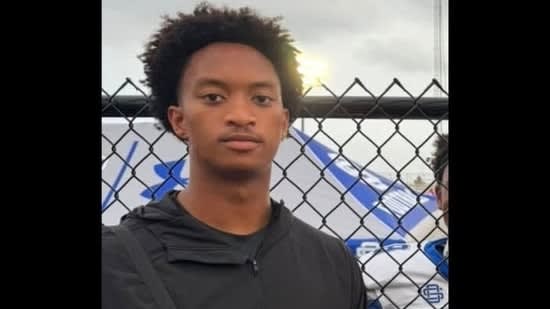
The grandfather of Nolan Wells, a Mississippi teenager whose death is currently under investigation, has alleged that certain entities are exploiting the tragedy to promote racial division and racism.
The Investigation into Nolan Wells: A Family's Plea Amidst Social Tension
The death of Nolan Wells, a teenager from Mississippi, has evolved from a localized investigation into a flashpoint for broader social commentary. While the primary focus remains on the legal and forensic determination of the cause of death, the narrative has been complicated by the public statements of the victim's family. Specifically, Nolan's grandfather has raised alarms regarding the way the tragedy is being framed by outside influences, suggesting that the search for truth is being overshadowed by an agenda of division.
The Allegation of Narrative Manipulation
At the heart of the current controversy is the grandfather's claim that certain "entities" are utilizing the investigation into Nolan's death to "promote racism." This allegation suggests a deep concern that the tragedy is being weaponized by political or social actors to fuel racial tensions. In high-profile death investigations involving youth, there is often a rush to assign motive or systemic blame before all facts are established. By speaking out, the grandfather is attempting to shield his grandson's memory from being used as a tool for ideological conflict, emphasizing the human loss over the political utility of the event.
The Socio-Political Context of Mississippi
To fully analyze these claims, one must consider the historical and social landscape of Mississippi. The state has a long, complex history of racial strife and systemic inequality, which often makes any investigation involving race or youth highly sensitive. In such an environment, public perception can shift rapidly, and accusations of racial bias—or the exploitation of such bias—carry significant weight. The grandfather's comments reflect a familiarity with these dynamics, recognizing that in the Deep South, a tragedy can quickly become a proxy battle for larger cultural wars regarding race and justice.
The Role of External "Entities"
The use of the term "entities" is particularly telling, as it remains ambiguous, potentially referring to media outlets, political organizations, or social media influencers. In the modern digital age, "outrage culture" often incentivizes the rapid dissemination of narratives that evoke strong emotional responses, such as racism or injustice, often before official investigative reports are released. This creates a volatile environment where the family of the deceased must navigate not only their grief but also a public discourse that may be distorting the facts of the case to serve a specific narrative.
Implications for the Legal Investigation
From an editorial and legal perspective, these public allegations add a layer of pressure to the investigating authorities. When a family claims that the tragedy is being used to promote racism, it places a premium on transparency and impartiality. Any perceived lack of clarity in the investigation could be interpreted as evidence supporting the "entities" the grandfather warns against. For the investigation to reach a conclusion that is accepted by the community, officials must ensure that the evidence is presented clearly and that the process is insulated from the external social pressures mentioned by the family.
Conclusion: The Intersection of Grief and Ideology
The case of Nolan Wells underscores the precarious intersection of personal tragedy and public ideology. While the legal system works to determine the facts of the teen's death, the family's struggle against the "promotion of racism" highlights the vulnerability of victims' families in the face of social polarization. Ultimately, the resolution of this case will require not only a thorough forensic investigation but also a commitment from the public to respect the dignity of the deceased over the desire for a politically convenient narrative.
Verification Required?