100% US tariff threat over Russian oil: India may have reasons to stay calm
Source Entity
TOI BUSINESS DESK
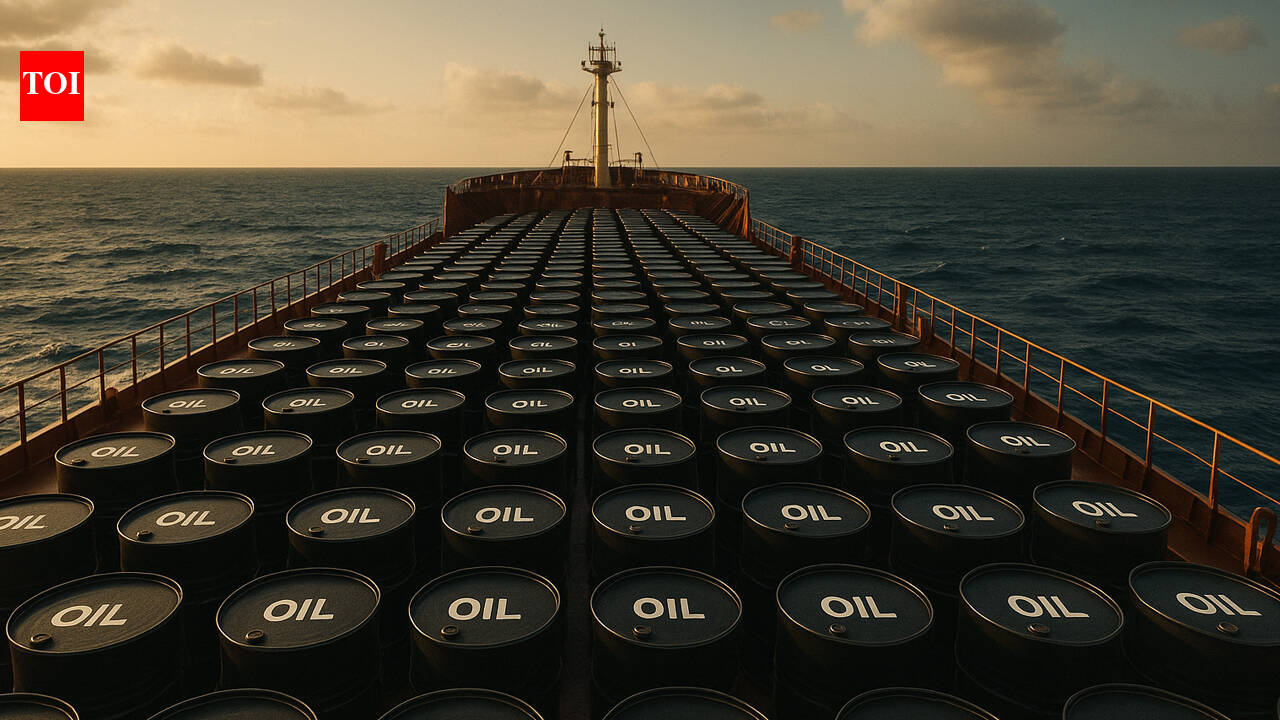
The United States has issued a threat of 100% tariffs against India in response to its continued importation of Russian crude oil, though historical precedents of reversed sanctions suggest a complex diplomatic dance rather than an immediate economic rupture.
Navigating the Geopolitical Minefield: US Tariff Threats and India's Energy Strategy
The recent escalation in rhetoric from Washington, threatening a staggering 100% tariff on India due to its continued procurement of Russian oil, marks a critical juncture in the strategic partnership between the world's two largest democracies. This move is not merely a trade dispute but a calculated geopolitical maneuver intended to isolate Russia economically following its invasion of Ukraine. By targeting India—one of the largest importers of Russian crude—the US seeks to choke the revenue streams that fuel the Kremlin's war machine. However, the severity of a 100% tariff suggests a high-stakes game of economic brinkmanship designed to force New Delhi into a more aligned foreign policy position.
The Pattern of Pressure and Reversal
To understand why India may have reasons to remain calm, one must look at the historical trajectory of US sanctions and tariffs. The provided context highlights a crucial precedent: last year, Washington imposed a 25% tariff on India for similar reasons, only to reverse the measure in February. This cycle of 'threat, implementation, and reversal' suggests that the US administration often utilizes aggressive economic threats as leverage in diplomatic negotiations rather than as permanent policy. The reversal in February indicates that Washington recognizes the indispensable nature of India as a strategic counterweight to China in the Indo-Pacific region, making a total economic rupture counterproductive to broader US national security interests.
India's Doctrine of Strategic Autonomy
India's refusal to fully succumb to Western pressure regarding Russian oil is rooted in its long-standing doctrine of 'Strategic Autonomy.' For New Delhi, energy security is a non-negotiable pillar of national security. The availability of discounted Russian crude has allowed India to manage domestic inflation and ensure a steady energy supply for its rapidly growing economy. By balancing its relationship with the US—a key defense and technology partner—and Russia—a traditional security provider—India is attempting to navigate a multipolar world where it refuses to be a junior partner in any single alliance. This balancing act is precisely what triggers US frustration, yet it is the very strategy that allows India to maximize its national interest.
Economic Implications and Global Market Stability
If the US were to actually implement a 100% tariff, the economic fallout would be mutual. India is a massive market for US exports, and a trade war of this magnitude would severely damage American businesses and disrupt global supply chains. Furthermore, forcing India to abruptly stop importing Russian oil could lead to a massive spike in global crude prices, potentially triggering a global inflationary crisis that would negatively impact the US economy. The 'calm' India maintains is likely based on the calculation that the US cannot afford the collateral damage that would result from such an extreme tariff, making the 100% figure more of a psychological deterrent than a viable economic policy.
Future Trends: Leverage vs. Implementation
Looking forward, it is probable that the US will continue to use the threat of tariffs as a tool for negotiation. We can expect a period of intense diplomatic horse-trading where the US may offer concessions in defense technology or trade exemptions in exchange for a gradual reduction in India's reliance on Russian energy. However, as long as the price differential for Russian oil remains significant and the geopolitical necessity of the Indo-Pacific partnership persists, the US is likely to avoid the 'nuclear option' of full tariffs. The relationship will likely remain in a state of 'managed tension,' characterized by public disagreements over Russia but private cooperation on security and trade.
Summary
In conclusion, while a 100% tariff threat appears alarming on the surface, the historical context of the February reversal and the overarching strategic needs of both nations suggest a pattern of diplomatic signaling. India's commitment to energy security and strategic autonomy, coupled with the US's need for a strong partner in Asia, creates a stalemate where extreme threats are used for leverage but rarely executed to their full extent. The situation underscores the complexity of modern diplomacy, where economic weapons are wielded to shape geopolitical alignments.