Hakki-Pikki woman accused of ‘selling daughter’ in Senegal
Source Entity
India Latest News: Top National Headlines Today & Breaking News | The Hindu
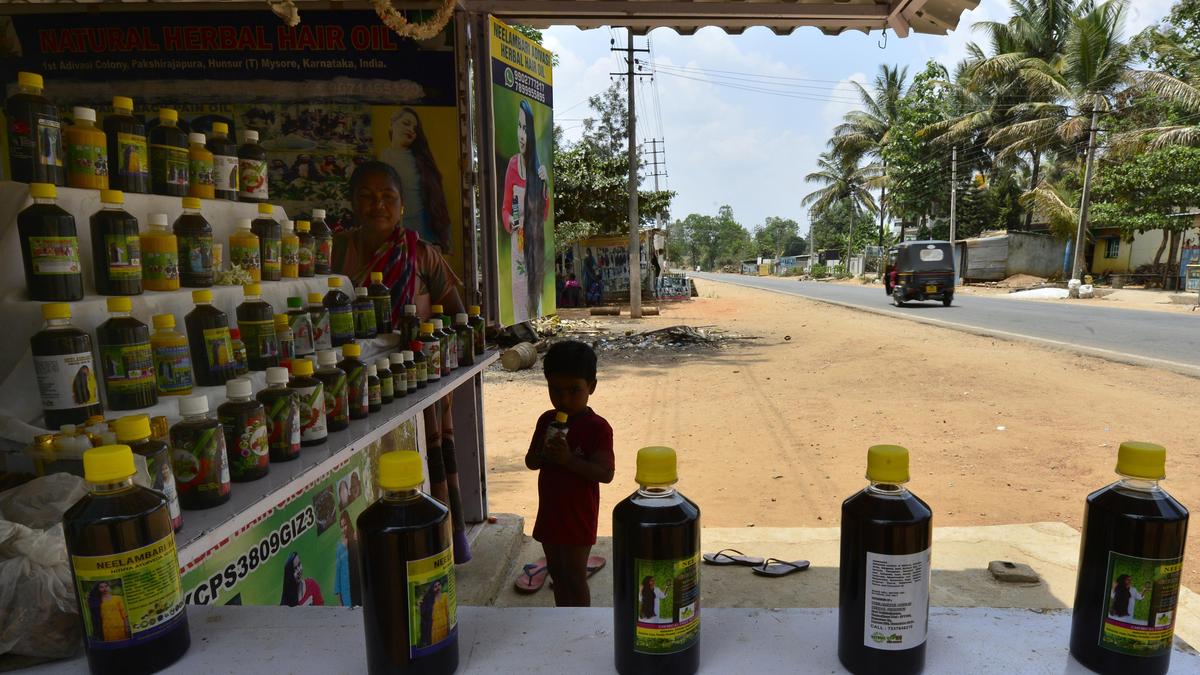
A woman from the Hakki-Pikki community has been accused of selling her daughter in Senegal. The child has been successfully rescued by local police, and the Karnataka Hakki-Pikki Budakattu Sanghatane is currently coordinating efforts to repatriate the girl to India.
Tragedy in Senegal: The Case of the Hakki-Pikki Community
In a distressing incident that highlights the intersection of extreme poverty and human trafficking, a woman belonging to the Hakki-Pikki community has been accused of selling her own daughter in Senegal. The gravity of the situation was brought to light through the Karnataka Hakki-Pikki Budakattu Sanghatane, an organization dedicated to the welfare of this specific community. While the immediate crisis has been mitigated by the rescue of the young girl by local Senegalese police, the event raises profound questions regarding the safety and stability of marginalized nomadic groups operating far from their home soil.
The Incident and Immediate Intervention
The core of the event centers on the rescue of a minor girl who was allegedly traded by her mother. The intervention of the local police in Senegal was critical in securing the child's safety and preventing further exploitation. Currently, the focus has shifted from rescue to repatriation. The Karnataka Hakki-Pikki Budakattu Sanghatane is playing a pivotal role in coordinating with diplomatic channels and local authorities to ensure the girl is safely returned to India. This process is often fraught with bureaucratic hurdles, especially when dealing with individuals from marginalized backgrounds who may lack standard identification documents.
Understanding the Hakki-Pikki Context
To understand the broader implications of this event, one must look at the Hakki-Pikki community. Traditionally a nomadic tribe from Karnataka, India, the Hakki-Pikki have historically faced significant social and economic marginalization. Their nomadic nature often leads to a lack of permanent residency, limited access to formal education, and a precarious legal status. When members of such communities migrate internationally—often in search of better economic opportunities or through informal networks—they become hyper-vulnerable to exploitation, as they operate outside the traditional safety nets provided by their home government and social structures.
The Cycle of Vulnerability and Trafficking
This specific case of a mother allegedly selling her daughter is a harrowing example of how systemic poverty can drive individuals to commit unthinkable acts. Human trafficking often preys on the most desperate; in the context of nomadic populations, the lack of institutional support can make the promise of immediate financial gain through illicit means appear as a survival mechanism. This incident underscores a dangerous trend where the most vulnerable members of a community—children—are viewed as commodities in the face of absolute destitution, highlighting a critical need for targeted social interventions for the Hakki-Pikki people.
Diplomatic and Legal Challenges in Repatriation
Repatriating a minor from a West African nation like Senegal to India is a complex legal undertaking. It requires seamless coordination between the Senegalese police, the Indian Embassy, and the community organizations in Karnataka. The process involves verifying the child's citizenship, ensuring the legal custody is handled correctly given the mother's accusation, and providing psychological support for a child who has undergone the trauma of being sold. The role of the Karnataka Hakki-Pikki Budakattu Sanghatane is essential here, as they provide the cultural and community bridge necessary to navigate these foreign legal systems.
Broader Implications and Future Trends
This event serves as a stark reminder of the gaps in the protection of nomadic citizens who travel abroad. As global migration patterns shift and marginalized groups seek livelihoods in non-traditional destinations, there is an increasing risk of human rights abuses. Future trends suggest that without stronger documentation and registration of nomadic communities, they will continue to be invisible to their home governments until a crisis occurs. There is an urgent need for the Indian government to implement more robust tracking and support systems for its nomadic citizens to prevent such tragedies from recurring.
Conclusion: A Call for Protection
While the rescue of the girl in Senegal is a positive outcome, the underlying cause—the desperation that led a mother to sell her child—remains unaddressed. The efforts of the local police and the Karnataka Hakki-Pikki Budakattu Sanghatane are commendable, but this case should act as a catalyst for deeper systemic change. Ensuring the socio-economic upliftment of the Hakki-Pikki community and providing them with legal safeguards is the only way to ensure that no other child is subjected to the horrors of trafficking in a foreign land.
Verification Required?