Avoid deploying Indian seafarers via Hormuz amid West Asia conflict: DGMA
Source Entity
Latest News: Today's Latest News Headlines from India & World | Hindustan Times | Hindustan Times
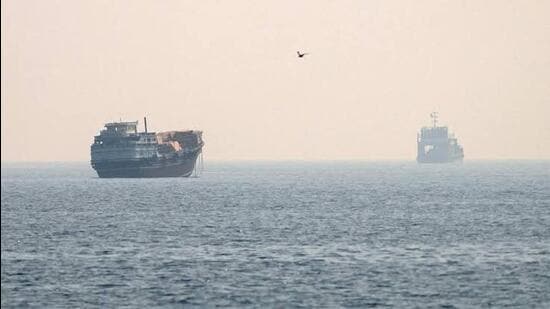
The Directorate General of Merchant Shipping (DGMA) has issued a critical advisory urging shipowners and recruitment agencies to avoid deploying Indian seafarers on vessels transiting the Strait of Hormuz due to escalating risks associated with the ongoing conflict in West Asia.
Maritime Safety Amid Geopolitical Turbulence: Analyzing the DGMA Advisory
In a significant move to ensure the safety of its citizens at sea, the Directorate General of Merchant Shipping (DGMA) has issued a formal advisory directing shipowners and recruitment agencies to avoid deploying Indian seafarers on vessels scheduled to transit the Strait of Hormuz. This directive comes as a direct response to the deteriorating security situation in West Asia, where escalating tensions have turned critical maritime corridors into high-risk zones. The advisory serves as a preemptive measure to shield Indian maritime professionals from becoming collateral damage in a volatile geopolitical environment characterized by state-sponsored tensions and non-state actor interventions.
The Strategic Vulnerability of the Strait of Hormuz
To understand the gravity of the DGMA's advisory, one must consider the strategic importance of the Strait of Hormuz. As the world's most critical oil chokepoint, this narrow waterway connects the Persian Gulf with the Gulf of Oman and the Arabian Sea. A vast majority of the world's liquefied natural gas (LNG) and crude oil pass through this corridor. Because of its narrow geography, the Strait is highly susceptible to blockade or targeted attacks. In the context of the current West Asia conflict, the threat of vessel seizures, drone strikes, or naval skirmishes has increased, making any transit a gamble with the lives of the crew.
Implications for Indian Seafarers and Recruitment Agencies
India provides a substantial portion of the global merchant navy workforce. Indian seafarers are deployed across thousands of vessels worldwide, often under contracts with foreign shipowners. By targeting the advisory at both shipowners and recruitment agencies, the DGMA is attempting to cut off the risk at the source—the deployment phase. This puts significant pressure on manning agencies to vet the routes of the vessels they assign their crew to. For the seafarers, this advisory provides a critical layer of administrative protection, potentially allowing them to negotiate safer assignments or refuse deployment to high-risk zones without fear of professional retaliation.
Broader Geopolitical and Economic Ripples
This advisory is not merely a safety warning but a reflection of the broader instability in West Asia. The conflict in the region often spills over into maritime warfare, where commercial shipping is used as a tool for political leverage. When a major maritime nation like India signals caution regarding the Strait of Hormuz, it underscores the perceived level of risk. This sentiment often leads to an increase in 'War Risk Insurance' premiums for vessels transiting the area, which in turn raises the overall cost of shipping and can eventually contribute to global inflationary pressures on energy and goods.
Historical Context and Risk Management
Historically, Indian maritime authorities have had to navigate complex diplomatic waters to ensure the release of captured sailors or the safety of crews during regional upheavals. The current DGMA approach suggests a shift toward proactive avoidance rather than reactive diplomacy. By discouraging deployment in the first place, the Indian government reduces the likelihood of needing complex hostage negotiations or emergency evacuations, which are both diplomatically taxing and financially draining. This strategy aligns with a broader trend of protecting 'human capital' in an era of asymmetric warfare.
Future Trends in Maritime Deployment
Looking forward, this advisory may lead to a temporary shift in crew composition for vessels transiting the Strait of Hormuz, with shipowners seeking crews from nations with lower geopolitical friction or those willing to accept higher risk premiums. Furthermore, it may accelerate the adoption of advanced maritime security protocols and the use of private security details on board. If the conflict in West Asia persists, we can expect more frequent and specific advisories from the DGMA, potentially expanding to other volatile regions like the Red Sea or the Bab el-Mandeb strait.
Conclusion
The DGMA's advisory is a necessary and timely intervention aimed at safeguarding the lives of Indian seafarers. By recognizing the Strait of Hormuz as a high-risk zone during the current West Asia conflict, the Indian government is prioritizing human life over commercial convenience. While this may create short-term logistical challenges for recruitment agencies and shipowners, it is a vital step in mitigating the risks posed by global geopolitical instability.
Verification Required?