Big change in illegal immigration from India to USA: See what Customs & Border Protection data shows
Source Entity
Latest News: Today's Latest News Headlines from India & World | Hindustan Times | Hindustan Times
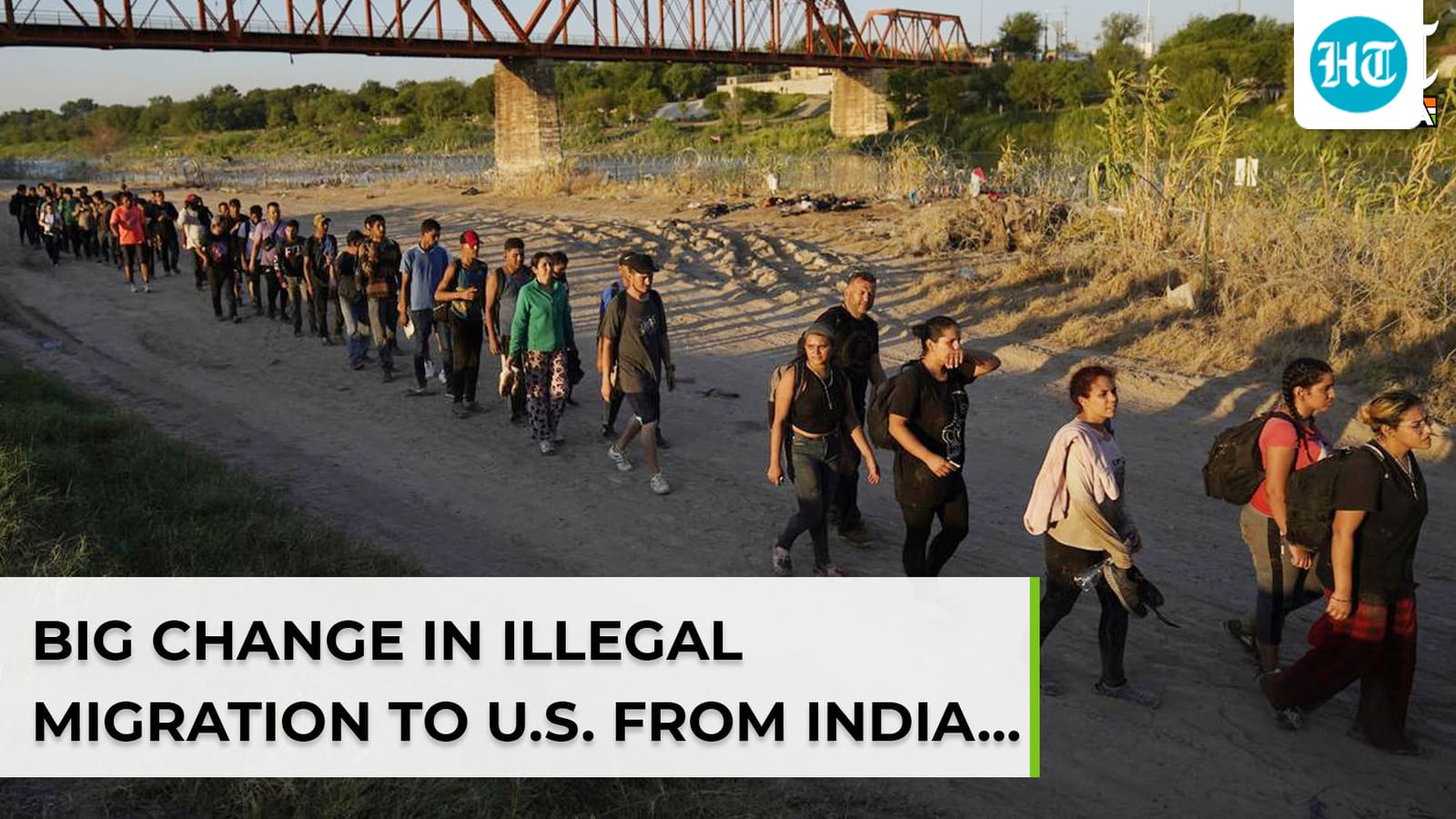
U.S. Customs and Border Protection (CBP) data indicates a sharp 69% decline in illegal immigration encounters from India through May of FY2026 compared to the peak seen in FY2023, with encounters falling to 20,614.
Analysis of the Decline in Illegal Indian Migration to the United States
Recent data released by U.S. Customs and Border Protection (CBP) reveals a significant shift in the migration patterns of Indian nationals attempting to enter the United States illegally. According to the figures, there were 20,614 encounters with Indian migrants through May of FY2026, marking a substantial 69% decrease compared to the same period in FY2023. This sharp decline suggests a cooling of the irregular migration trend that had previously seen a surge in Indian citizens attempting to bypass traditional visa channels.
Decoding the CBP Data and the FY2023 Peak
To understand the magnitude of this drop, it is essential to examine the context of the FY2023 peak. During that period, the U.S. witnessed an unusual spike in "irregular migration" from India, where individuals—often from the middle class or skilled backgrounds—opted for perilous journeys through Central America and Mexico rather than waiting for years in the legal H-1B or family-sponsored visa queues. The drop to 20,614 encounters by May of FY2026 indicates that the drivers behind that specific surge have either been mitigated or that the risks associated with such journeys have become too high for prospective migrants.
Potential Drivers of the Decline
Several factors likely contribute to this 69% reduction. Firstly, the tightening of border security and the implementation of more stringent asylum policies at the U.S. southern border have likely acted as a deterrent. As the "likelihood of entry" decreases, the incentive to undertake expensive and dangerous illegal journeys diminishes. Secondly, the economic landscape within India has evolved; the growth of the domestic tech ecosystem, the rise of high-paying startups, and the "Digital India" initiative may be providing viable professional alternatives that keep skilled workers within their home country.
Broader Diplomatic and Policy Implications
This trend has significant implications for the diplomatic relationship between Washington and New Delhi. Illegal migration often creates friction between nations, particularly regarding the repatriation of undocumented citizens. A decrease in illegal encounters allows both governments to focus more heavily on legal migration frameworks and strategic partnerships. It suggests a shift toward a more structured movement of people, where the focus returns to high-skill legal pathways, which are more beneficial for the U.S. economy and less taxing on border enforcement resources.
Historical Context of Indian Migration
Historically, Indian migration to the U.S. has been characterized by its legality and high skill level, dominated by students and specialized professionals. The brief surge in illegal crossings seen around FY2023 was an anomaly, often driven by extreme frustration with the decades-long backlogs for green cards and employment-based visas. The current decline indicates a return to the historical norm, suggesting that while the desire to migrate remains, the method of doing so is reverting to legal, albeit slow, institutional channels.
Future Trends and Predictions
Looking forward, the trend of declining illegal migration is likely to persist provided that legal pathways remain the only viable option. However, if the backlog for legal visas continues to grow exponentially, there may be periodic resurgences in irregular migration. The key to maintaining this downward trend will be the potential reform of the U.S. immigration system to better accommodate the high demand for legal Indian labor, thereby removing the desperation that drives individuals toward illegal border crossings.
Conclusion
In summary, the 69% drop in illegal encounters from India is a pivotal data point that reflects a combination of stricter U.S. border enforcement and shifting economic incentives within India. While the FY2023 peak represented a moment of crisis and desperation for many, the FY2026 data suggests a stabilization of migration flows, steering Indian nationals back toward legal immigration pathways and reducing the burden on U.S. Customs and Border Protection.
Verification Required?