DFCs: The backbone of India’s logistics push
Source Entity
India Latest News: Top National Headlines Today & Breaking News | The Hindu
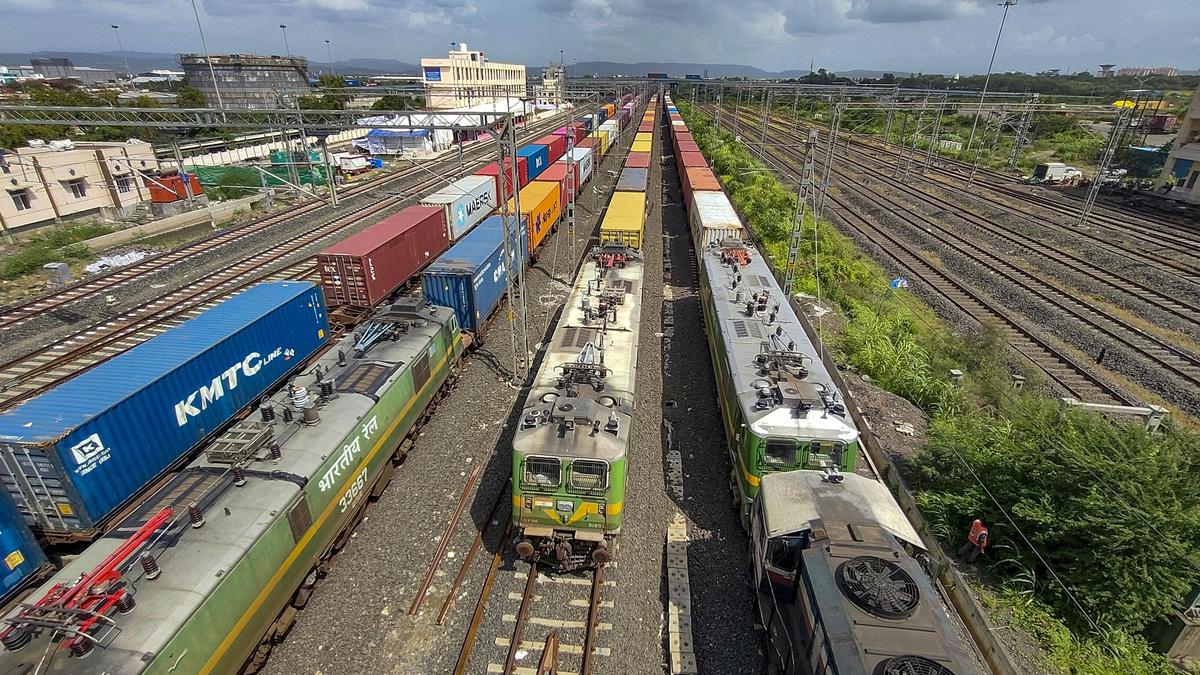
The completion of the Western Dedicated Freight Corridor completes a 2,843-km rail backbone for India. This infrastructure project enhances logistics efficiency and supports the national PM GatiShakti initiative.
The Completion of India's Freight Backbone
The full operationalization of the Western Dedicated Freight Corridor (WDFC) marks a pivotal moment for India’s infrastructure ambitions. By establishing a 1,506-km link between Dadri and the Jawaharlal Nehru Port Trust (JNPT), India has successfully connected its northern industrial heartland with its most critical maritime gateway. This achievement, combined with the 1,337-km Eastern Dedicated Freight Corridor (EDFC) running from Ludhiana to Sonnagar, creates a total 2,843-km freight rail backbone that is set to fundamentally reshape the nation’s supply chain landscape.
Strategic Alignment with PM GatiShakti
This development serves as a cornerstone for the PM GatiShakti project, an ambitious multi-modal logistics framework designed to streamline connectivity across the country. Much like the integrated freight grids found in the United States, Europe, and China, the DFCs provide the structural foundation necessary to reduce logistics costs. By prioritizing dedicated rail lines, India is moving away from the historical constraints of shared passenger-freight tracks, which have long hindered the speed and reliability of cargo transport.
Operational Advantages and Productivity
The technical prowess of the WDFC lies in its ability to support longer, heavier, and double-stack container trains. These logistical improvements are not merely incremental; they represent a step-change in freight productivity. By allowing for higher tonnage and more frequent throughput, the corridor directly addresses the bottlenecks that have traditionally plagued Indian rail transport, effectively modernizing the physical infrastructure required for industrial expansion.
Regional Development and Economic Multipliers
Beyond the tracks themselves, the ripple effects of the DFCs are expected to be profound. The corridor acts as an economic conduit, fostering regional development along its path and acting as a catalyst for job creation. As manufacturing hubs gain more efficient access to ports, the cost-competitiveness of Indian goods is expected to improve, further incentivizing investment in the northern manufacturing and consumption belts.
Looking Ahead: The Future of Indian Logistics
As India transitions into this new phase of its logistics overhaul, the DFCs will serve as a template for future infrastructure projects. The success of this model suggests a clear trajectory toward a more integrated, technology-driven logistics network. Moving forward, the focus will likely shift toward optimizing last-mile connectivity and integrating these corridors with broader industrial corridors to maximize the return on this multi-billion-dollar investment.
Conclusion
The completion of the 2,843-km freight rail network is a testament to India's commitment to modernizing its industrial base. By successfully bridging the gap between northern production centers and western ports, the Dedicated Freight Corridors provide a robust backbone that will support economic growth, enhance export capabilities, and streamline national logistics for years to come.
Verification Required?