Over 50% of youth in 2 Odisha districts not in jobs, education, training
Source Entity
Siddharth Upasani
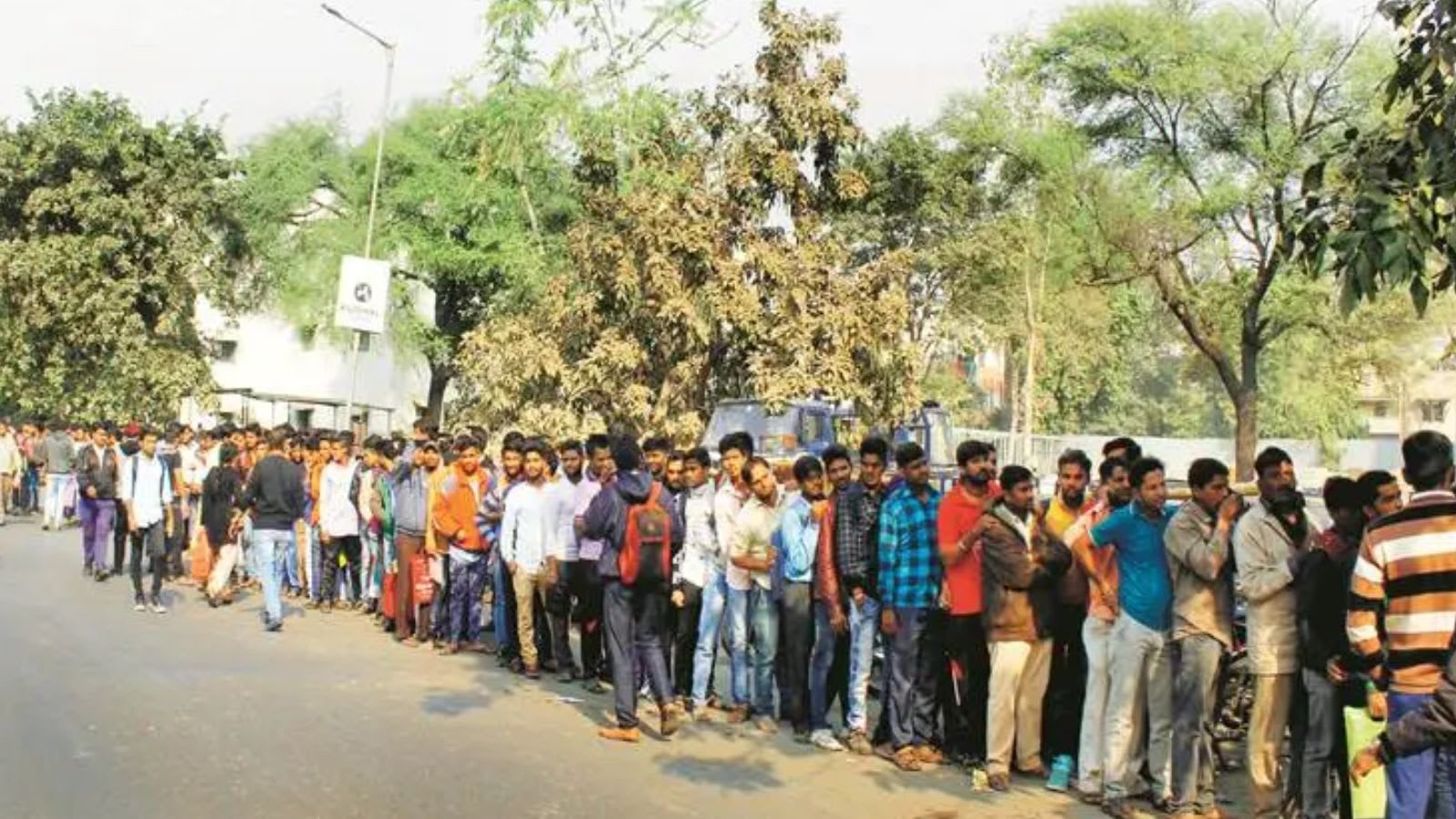
Recent MoSPI data reveals that 25% of youth in 250 Indian districts are not in employment, education, or training (NEET). Northern states and specific Odisha districts show particularly high rates, highlighting a critical challenge for India's human capital development.
The NEET Crisis: A Challenge to India's Demographic Dividend
Recent data released by the Ministry of Statistics and Programme Implementation (MoSPI) has brought to light a concerning trend regarding India’s youth population. The latest Periodic Labour Force Survey (PLFS) for 2025 indicates that in nearly 250 districts across the country, more than 25% of individuals aged 15-29 are classified as NEET—not in employment, education, or training. This statistic serves as a stark indicator of a widening gap in human capital utilization, threatening to undermine the nation's aspirations for sustained economic growth.
Geographic Disparities and Regional Concerns
The crisis is not distributed uniformly across the country; it exhibits significant regional concentrations that demand targeted policy interventions. Northern India, in particular, has emerged as a focal point of concern. States such as Bihar, Uttar Pradesh, Haryana, Punjab, and West Bengal are disproportionately affected, with nearly two-thirds of districts in these regions reporting that a quarter of their youth population falls into the NEET category. Bihar, in particular, stands out, with 81% of its districts exceeding the 25% NEET threshold, representing the highest concentration in the nation.
Micro-Level Data: The Case of Odisha
While the national averages provide a macro perspective, the granular district-level data exposes even more alarming localized figures. In Odisha, the districts of Anugul and Kendrapara reported that more than half of their youth population was neither working nor studying in 2025. Specifically, Anugul recorded a NEET share of 56.1%, the highest in the country. Such figures suggest that the challenges of youth engagement are deeply entrenched in local socio-economic conditions, necessitating localized strategies rather than a 'one-size-fits-all' national approach.
Broader Implications for Human Capital
Being categorized as NEET suggests a profound disconnection from the formal economy and skill-building ecosystems. For a country like India, which relies heavily on its demographic dividend to drive future economic expansion, these findings are problematic. If a significant segment of the youth population remains outside the workforce or educational institutions, the nation risks losing out on the productive potential of its young citizens, leading to long-term issues of social instability and economic stagnation.
Future Trends and Policy Imperatives
The high NEET rates underscore an urgent need for bridging the disconnect between the current educational framework and the requirements of the modern job market. Without robust vocational training, improved access to quality education, and the creation of productive employment opportunities, these districts may face persistent developmental hurdles. Future government interventions must focus on these 'hotspots' identified by the MoSPI data to integrate this vast youth population into the formal economy, ensuring that the demographic dividend does not become a socio-economic liability.
Multiple Citing Sources