66% Indian-Americans Prefer Democrats Over Trump Ahead Of Mid-Term Elections: Survey
Source Entity
NDTV News Search Records Found 1000
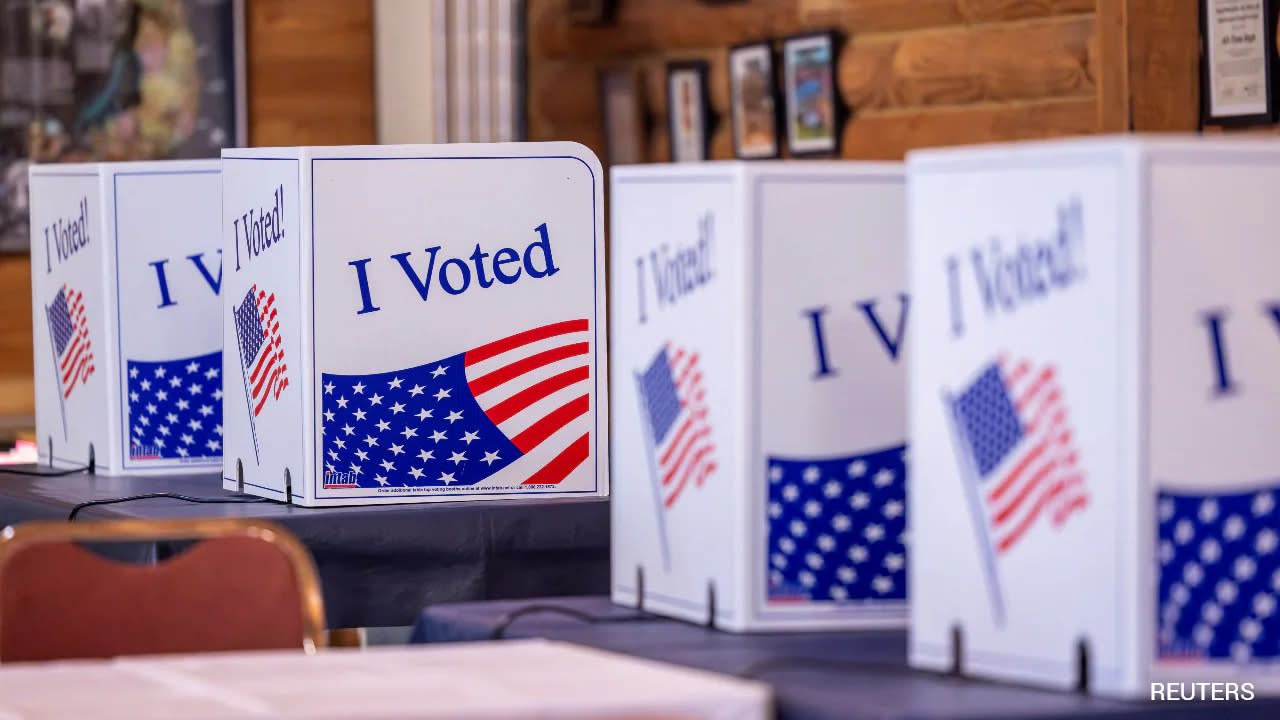
A recent survey reveals that 66% of Indian-Americans favor the Democratic party ahead of the mid-term elections. Economic concerns, specifically inflation and the cost of living, remain the primary drivers for Asian American voters.
Shifting Political Landscapes: Indian-American Voter Sentiment
Recent survey data indicates a significant political leaning within the Indian-American community, with 66% of respondents expressing a preference for the Democratic party as mid-term elections approach. This statistical majority highlights a consistent trend in partisan identification among this demographic, which has historically leaned toward Democratic candidates in recent decades. The data serves as a crucial barometer for political strategists attempting to gauge the influence of minority voting blocs in swing districts.
The Economic Imperative
While party affiliation often follows long-term ideological lines, the current electoral climate is heavily dictated by immediate fiscal realities. The survey explicitly identifies the cost of living and inflation as the paramount concerns for Asian American voters. This focus suggests that while these voters may lean Democrat, their support is not unconditional and is highly sensitive to the macroeconomic performance of the current administration.
Inflation as a Determinant
Inflation acts as a non-partisan issue that cuts across ethnic and social divides, yet its impact on specific immigrant communities is profound. For Indian-American families, who often balance professional aspirations with high costs of living in metropolitan areas, the erosion of purchasing power has become a defining electoral issue. Political candidates who fail to address these specific economic anxieties risk losing engagement from this increasingly vital segment of the electorate.
Broader Implications for Mid-Terms
As the mid-term elections loom, the intersection of party preference and economic dissatisfaction creates a complex narrative. The 66% preference for Democrats provides a solid base, but the emphasis on inflation suggests that the 'cost of living' crisis could act as a swing factor. If the Democratic party cannot effectively communicate its strategy for curbing inflation, this demographic may shift from active support to a more critical or disillusioned stance.
Future Trends and Political Engagement
Looking ahead, the political behavior of Indian-Americans will likely continue to evolve. As the community grows in both size and economic influence, their role as a 'deciding' demographic in tight races will likely increase. Future trends will likely show a more nuanced approach where candidates must balance national policy platforms with targeted economic solutions to address the specific financial pressures felt by these voters. The synergy between identity politics and practical economic survival will define the success of campaigns in the coming years.
Verification Required?