Why has the Manipur Census operation been deferred?
Source Entity
India Latest News: Top National Headlines Today & Breaking News | The Hindu
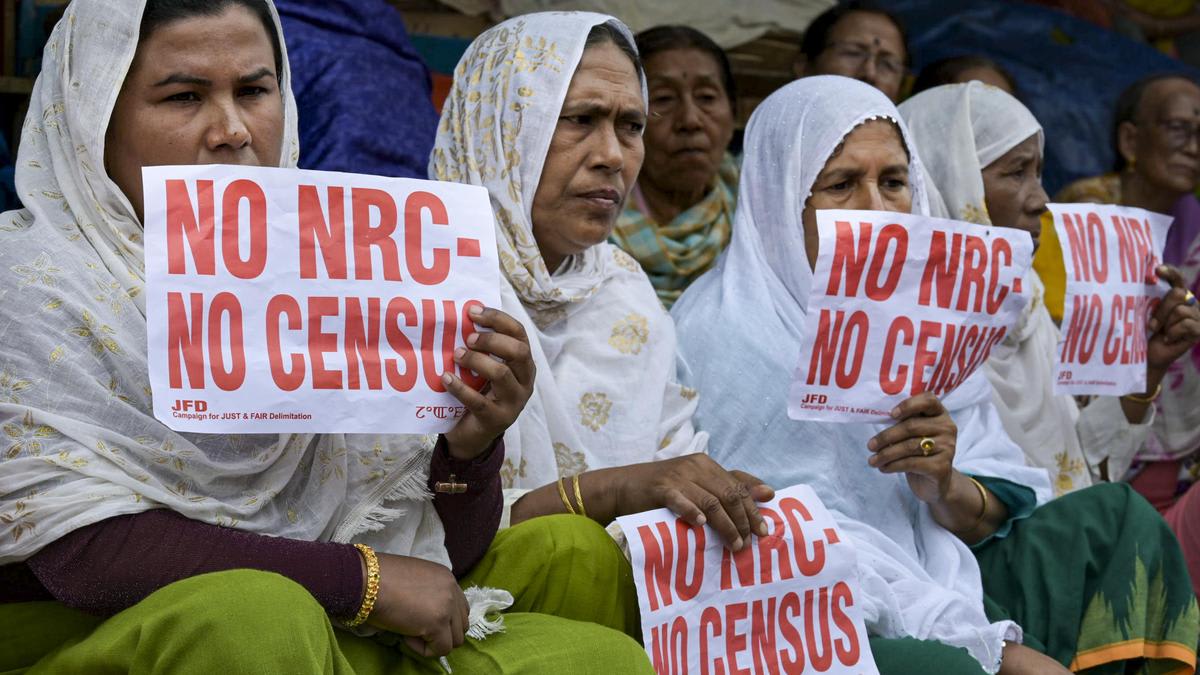
The Union government has deferred the 2027 Census in Manipur following intense protests and demands to implement the National Register of Citizens first. The decision aims to prevent further ethnic tensions in the state ahead of upcoming assembly elections.
The Deferment of Manipur’s Census: A Strategic Pause Amidst Unrest
On August 31, the Union government made the critical decision to defer the scheduled decennial Census operations in Manipur. This move followed high-level consultations involving Union Home Minister Amit Shah, Manipur Governor Ajay Kumar Bhalla, and state leadership. The decision was not merely administrative; it was a calculated response to a volatile socio-political environment where the population enumeration exercise had become a flashpoint for civil unrest.
The Nexus of NRC and Demographic Concerns
The core of the opposition to the Census lies in the demand for a National Register of Citizens (NRC) exercise, specifically utilizing 1951 as the base year. Proponents of this demand, primarily groups based in the Imphal Valley, argue that unauthorized migration from neighboring regions—specifically Myanmar—has fundamentally altered the state’s demographic landscape. By linking the Census to the NRC, these groups seek to establish a verified record of citizenship before any population data is finalized, fearing that a Census conducted prior would legitimize current demographic imbalances.
Ethnic Conflict and Administrative Parity
Manipur is currently grappling with deep-seated ethnic conflicts, particularly between the Kuki-Meitei and Kuki-Naga communities. The demand for an NRC is deeply intertwined with these tensions, as different ethnic groups view demographic data as a tool that could dictate future political representation and resource allocation. The government’s decision to defer the Census reflects an understanding that conducting such an exercise in the current climate could exacerbate existing animosities and potentially trigger further violence in an already fractured society.
The Pressure of Impending Elections
With assembly elections for the 60-member state legislature approaching in less than a year, the political stakes are exceptionally high. The Union government is clearly attempting to manage the state's fragile stability, acknowledging that the administrative friction caused by the Census could be exploited to deepen political divisions. The ongoing protests, characterized by bandhs and shutdowns in the Imphal Valley, illustrate the urgency with which local groups are demanding a formal, written order from the Registrar General and Census Commissioner of India to confirm the deferment.
Future Implications and Policy Challenges
The situation remains fluid as civil society organizations, such as the Campaign for Just and Fair Delimitation, continue to push for formal confirmation of the government's verbal commitments. Moving forward, the state faces the dual challenge of addressing legitimate concerns regarding border security and citizenship while navigating the complexities of its diverse ethnic fabric. The deferment serves as a temporary reprieve, but the fundamental debate over the NRC, Census timing, and demographic security will remain a central pillar of Manipur's political discourse for the foreseeable future.
Multiple Citing Sources
Verification Required?