'Keep my wife's name out of your mouth': JD Vance slams Democrat over jibe at Usha, she reacts too
Source Entity
Latest News: Todays Latest News Headlines from India & World | Hindustan Times | Hindustan Times
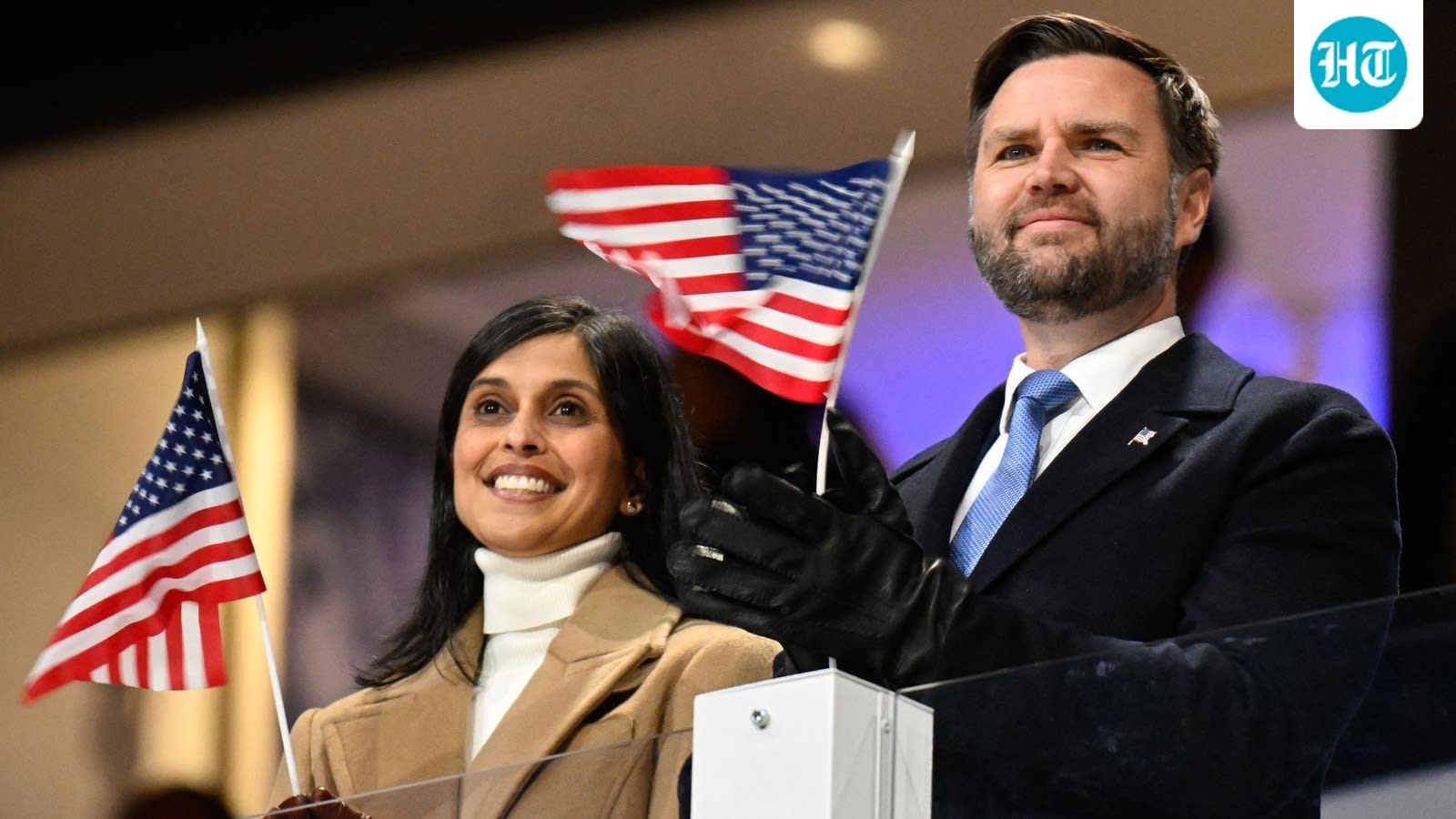
Vice President JD Vance forcefully defended his wife, Usha Vance, following comments made by Michigan Democratic figure Abdul El-Sayed. The public exchange escalated during a rally, highlighting growing tensions between the two political figures.
The Confrontation: Vance, El-Sayed, and the Rhetorical Escalation
During a high-stakes MAGA rally in Michigan aimed at supporting Republican Senate candidate Mike Rogers, Vice President JD Vance issued a stern rebuke to Michigan Democratic figure Abdul El-Sayed. The core of this confrontation centered on Vance demanding that El-Sayed refrain from referencing his wife, Second Lady Usha Vance. This public declaration, reminiscent of high-profile cultural confrontations, underscores the increasingly personal nature of political discourse in the current American landscape.
The Origins of the Dispute
The friction between the two men did not materialize in a vacuum. It was rooted in an earlier exchange where JD Vance criticized Abdul El-Sayed regarding the latter's previous public remarks concerning Sharia law. By challenging El-Sayed's past positions during a rally in Ohio, Vance effectively opened a new front in their ongoing ideological conflict, which eventually prompted the retaliatory comments that triggered Vance’s recent outburst.
Personal Stakes and Political Strategy
JD Vance’s defense of his wife, Usha Vance, represents a strategic pivot toward protecting his family image amidst intense political scrutiny. By labeling El-Sayed as "very, very evil" during the Michigan rally, Vance sought to frame the Democratic opposition not just as policy rivals, but as figures who cross ethical boundaries by involving family members in political mudslinging. This tactic serves to galvanize the base by personalizing the political stakes.
The Role of Historical Narrative and Family
The dispute also touched upon deeply personal territory, specifically regarding Vance’s late grandfather, whom he refers to as "Papaw." Vance expressed a desire to speak with his grandfather regarding modern political figures who claim to represent working-class interests, contrasting this with his perception of El-Sayed. This appeal to heritage serves as a foundational element of the "Vance brand," emphasizing his roots while simultaneously casting his opponents as out of touch with those foundational values.
Broader Implications for Campaign Rhetoric
This incident serves as a microcosm of the current state of American political campaigning, where the lines between policy debate and personal attacks have become increasingly blurred. As the election cycle intensifies, the frequency of such exchanges is likely to increase. The use of inflammatory language by both parties suggests that candidates are prioritizing high-engagement, volatile moments to capture media attention, potentially at the expense of substantive policy discourse.
Future Trends in Political Discourse
Looking forward, we can expect this trend of "aggressive defense" to continue. As political figures like JD Vance utilize social media and rally platforms to respond instantly to perceived slights, the speed of political conflict will accelerate. This environment makes it increasingly difficult for voters to discern policy differences from character assassinations, as the focus remains firmly on the personal clashes between candidates and their families.
Verification Required?