Army to induct 450 new Carl Gustaf M4 rocket launchers — lighter, deadlier tank-killers
Source Entity
TOI DEFENCE DESK
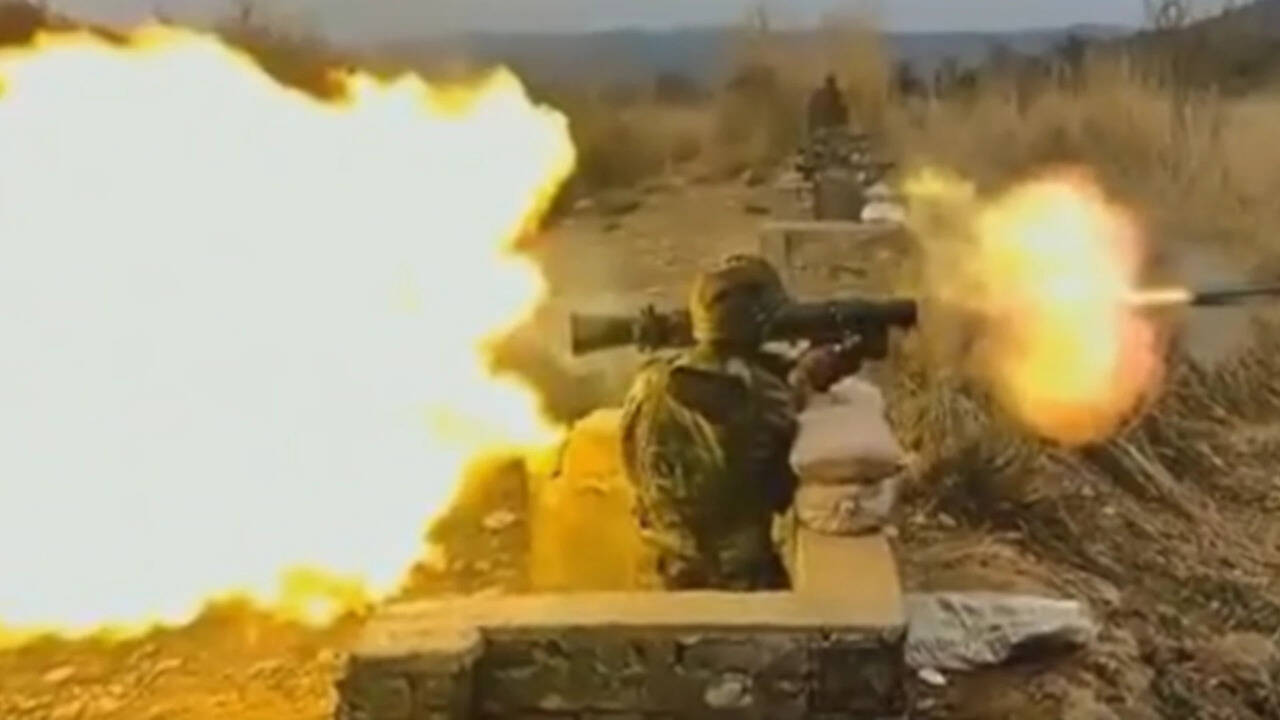
The Army will induct 450 new Carl Gustaf M4 rocket launchers. This lighter system improves infantry firepower, especially in mountainous regions. The weapon operates effectively in extreme temperatures from deserts to frontiers. A variety of domestic ammunition provides versatile combat capabilities. India's first foreign-owned defense unit now produces these launchers.
Modernizing Infantry Firepower: The Induction of the Carl Gustaf M4
The Indian Army's decision to induct 450 Carl Gustaf M4 rocket launchers marks a significant leap in the modernization of its infantry capabilities. As modern warfare evolves toward more agile, high-mobility operations, the need for lightweight yet devastating firepower has become paramount. The M4 variant represents the pinnacle of the Carl Gustaf lineage, offering a versatile solution for soldiers who must engage a variety of targets—from armored vehicles to fortified bunkers—without being encumbered by heavy, legacy weapon systems.
Technical Superiority and Tactical Versatility
The Carl Gustaf M4 is not merely an incremental update but a refined tool of war. Its primary advantage lies in its weight reduction and improved ergonomics, which directly translate to increased soldier mobility. By labeling these as "deadlier tank-killers," the focus is on the system's ability to neutralize heavy armor through advanced penetration capabilities. However, the true strength of the M4 lies in its multi-role nature; it can fire a diverse array of ammunition, including high-explosive, anti-tank, and smoke rounds, allowing a single squad to adapt to changing battlefield dynamics in real-time.
Strategic Adaptation to Extreme Terrains
One of the most critical aspects of this induction is the weapon's operational resilience across India's diverse and challenging geography. The mention of "mountainous regions" and "frontiers" highlights the system's necessity in high-altitude warfare, where oxygen is scarce and movement is grueling. The M4's ability to operate in extreme temperatures—from the freezing heights of the Himalayas to the scorching heat of the Thar Desert—ensures that the Army maintains a consistent lethality profile regardless of the deployment zone. This environmental adaptability is a force multiplier, reducing the risk of equipment failure in critical combat scenarios.
A Milestone for Domestic Defense Production
Beyond the tactical advantages, this procurement is a landmark event for India's industrial landscape. The fact that these launchers are being produced by the first foreign-owned defense unit in India signifies a shift in the "Make in India" strategy. By allowing a foreign entity to establish a production base locally, India is not only securing its supply chain but also facilitating a direct transfer of technology. This domestic production capability ensures that the Army can procure replacements and upgrades more rapidly, reducing dependence on long-lead foreign imports and boosting the local aerospace and defense ecosystem.
The Role of Domestic Ammunition
The integration of domestic ammunition further strengthens this strategic pivot. A weapon system is only as effective as the munitions it fires; by developing a variety of domestic ammunition, India ensures that its tactical flexibility is not subject to external geopolitical pressures or export restrictions. This synergy between a foreign-designed platform and indigenous munitions creates a sustainable combat loop, allowing for continuous iteration and customization of rounds to meet specific regional threats.
Conclusion: Implications for National Security
In summary, the induction of the 450 Carl Gustaf M4 launchers is a calculated move to harden India's borders and empower its foot soldiers. By combining cutting-edge Swedish design with Indian manufacturing and ammunition, the Army is bridging the gap between traditional infantry roles and modern mechanized warfare. As these systems are deployed across the frontiers, they will provide a critical deterrent against armored incursions and enhance the survival and success rates of infantry units operating in the world's most inhospitable terrains.