Indian H-1B families face fresh uncertainty over H-4 work permits
Source Entity
The Indian Express
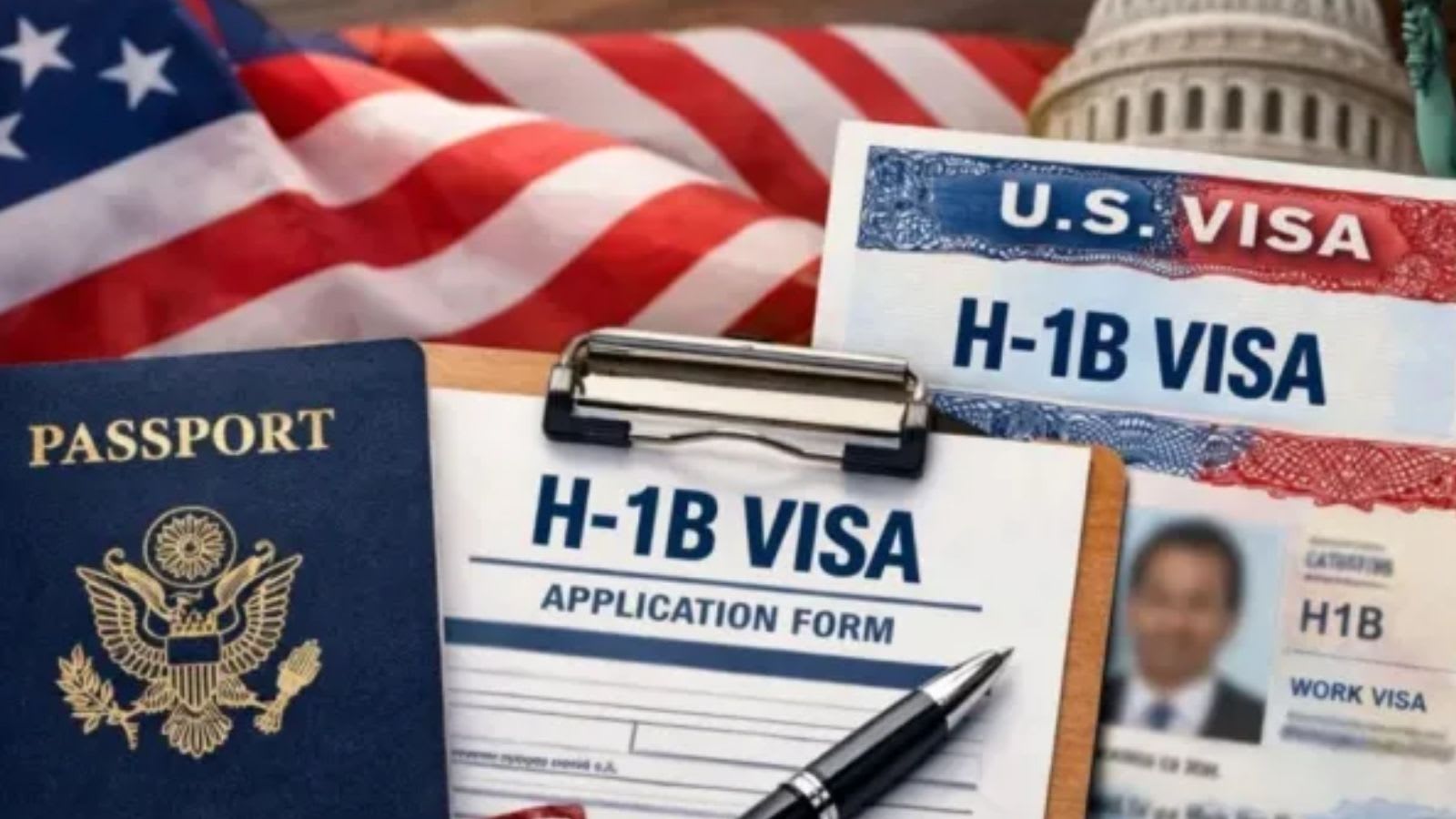
The Trump administration is proposing to revoke employment authorization for H-4 visa holders, primarily affecting Indian families. This potential policy shift threatens to reverse a decade-old rule, creating significant instability for thousands of H-1B households.
The Impending Shift in H-4 Employment Policy
For years, the H-4 visa program has served as a critical pillar of stability for thousands of Indian families residing in the United States under H-1B status. The ability for spouses to work has transformed the immigrant experience, allowing families to manage the high cost of living in the U.S. and providing professional fulfillment to high-skilled partners. However, recent regulatory developments indicate that this arrangement is under direct threat, as the Trump administration moves to formalize plans to strip these individuals of their work authorization.
The Regulatory Target
The Department of Homeland Security has officially listed a proposal titled “Removing H-4 Dependent Spouses From the Classes of Noncitizens Eligible for Employment Authorization” on Reginfo.gov. This regulatory agenda item, identified by RIN 1, marks a significant departure from the current policy framework. By seeking to remove the eligibility for employment among these spouses, the administration is effectively challenging a decade-old precedent that has allowed H-4 visa holders to participate in the American economy.
Disproportionate Impact on Indian Professionals
The proposed policy shift carries profound demographic implications. Statistical data confirms that the vast majority of H-4 visa holders are Indian nationals, and a significant percentage of those affected are women. Because the H-1B program is heavily utilized by Indian professionals in the technology and engineering sectors, this regulatory change would disproportionately impact the Indian immigrant community more than any other group, potentially forcing many families to reconsider their long-term viability in the United States.
Broader Economic and Personal Implications
Beyond the immediate loss of income, the revocation of H-4 work permits would have a cascading effect on the families involved. Many of these individuals are highly educated professionals who have built careers in the U.S. labor market. Losing the right to work not only threatens the financial security of these households but also forces families into a state of precariousness, where their ability to remain in the country is tethered solely to the H-1B holder’s employment status, creating a dependency that limits personal and professional autonomy.
Future Trends and Uncertainty
The uncertainty surrounding this proposal reflects a broader trend of tightening immigration regulations. If finalized, this rule would represent a major reversal of prior policy, likely leading to legal challenges and widespread concern within the immigrant workforce. As the regulatory process continues through the Office of Information and Regulatory Affairs, thousands of families are left in a state of limbo, waiting to see if a policy that has supported their integration into American society for the last ten years will be permanently dismantled.
Conclusion
The move to end work authorization for H-4 spouses is a pivotal moment for Indian families in the United States. By targeting a specific group of high-skilled immigrants, the proposed regulation threatens to upend the lives of thousands, highlighting the persistent volatility of U.S. immigration policy and the ongoing challenges faced by those living under non-immigrant work visas.