Pak Court's Big Relief For Imran Khan, Bushra Bibi: No Solitary Confinement, Timely Meets
Source Entity
NDTV News Search Records Found 1000
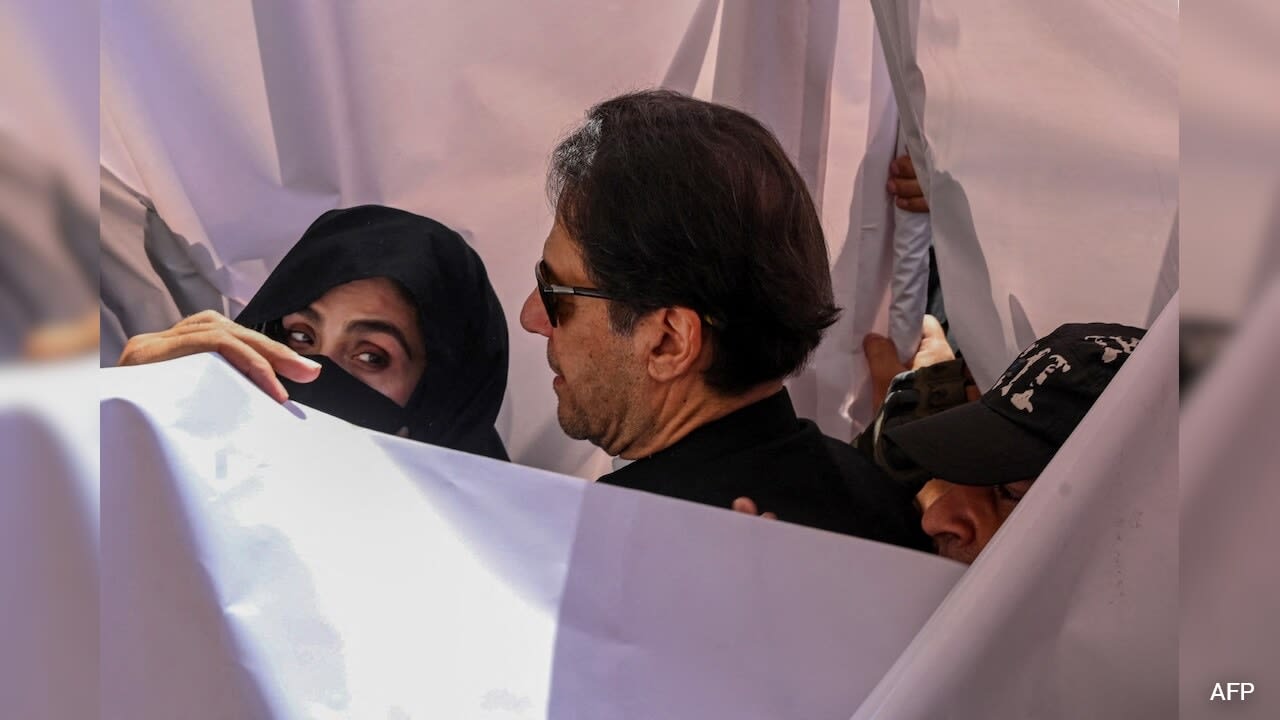
The Islamabad High Court has granted relief to Imran Khan and his wife, Bushra Bibi, by prohibiting their solitary confinement in Adiala Jail. The court has mandated the jail superintendent to ensure timely meetings and improved conditions for the couple.
Legal Relief for Imran Khan and Bushra Bibi
Judicial Intervention in Detention Conditions
The Islamabad High Court has recently issued a significant directive concerning the incarceration conditions of former Prime Minister Imran Khan and his wife, Bushra Bibi. By explicitly barring solitary confinement and mandating timely visitation rights, the judiciary has intervened in the administrative management of Adiala Jail. This ruling serves as a check on the executive branch’s control over high-profile political detainees, emphasizing that even those held in custody retain fundamental rights regarding their treatment and access to legal and personal counsel.
The Mandate for Adiala Jail Administration
The court’s instructions are directed specifically toward the Adiala jail superintendent, who is now legally obligated to ensure the implementation of these directives. This institutional accountability is crucial in a legal landscape where the physical environment of detention can often become a point of contention between the state and political figures. By formalizing these requirements, the court is seeking to standardize the conditions under which the former Prime Minister is held, moving away from restrictive isolation that has been a focal point of recent legal petitions.
Contextualizing Political Detention in Pakistan
This development occurs against a backdrop of ongoing political volatility in Pakistan, where the detention of major political figures frequently sparks legal and public discourse. The use of solitary confinement, or the restriction of access to family and legal teams, is often perceived as a tool of political pressure. The court's decision suggests a judicial attempt to balance state security requirements with the procedural rights of the accused, reflecting the broader struggle to maintain democratic norms within the judicial system.
Broader Implications for Human Rights
Beyond the individual circumstances of Khan and Bibi, the ruling highlights the persistent debate regarding the rights of prisoners in Pakistan. The judiciary’s move to curb solitary confinement is a significant step toward aligning detention practices with constitutional protections. Such rulings often set precedents that influence how future high-profile detainees are treated, potentially limiting the state’s ability to employ isolation as a punitive measure outside of strictly defined legal criteria.
Future Outlook and Judicial Oversight
As the Adiala jail administration begins the process of compliance, the ongoing oversight by the Islamabad High Court will be critical. The effectiveness of this relief will depend on the consistent application of these rules, preventing any backsliding into previous restrictive conditions. Moving forward, the court’s role as an arbiter between the state and its political detractors will remain a central theme in Pakistan's political stability, as legal battles continue to define the parameters of political engagement and dissent.
Verification Required?