Indian Food Decoded: You call it a healthy snack, but is it really? Nutritionist breaks down popular Indian favourites
Source Entity
Latest News: Todays Latest News Headlines from India & World | Hindustan Times | Hindustan Times
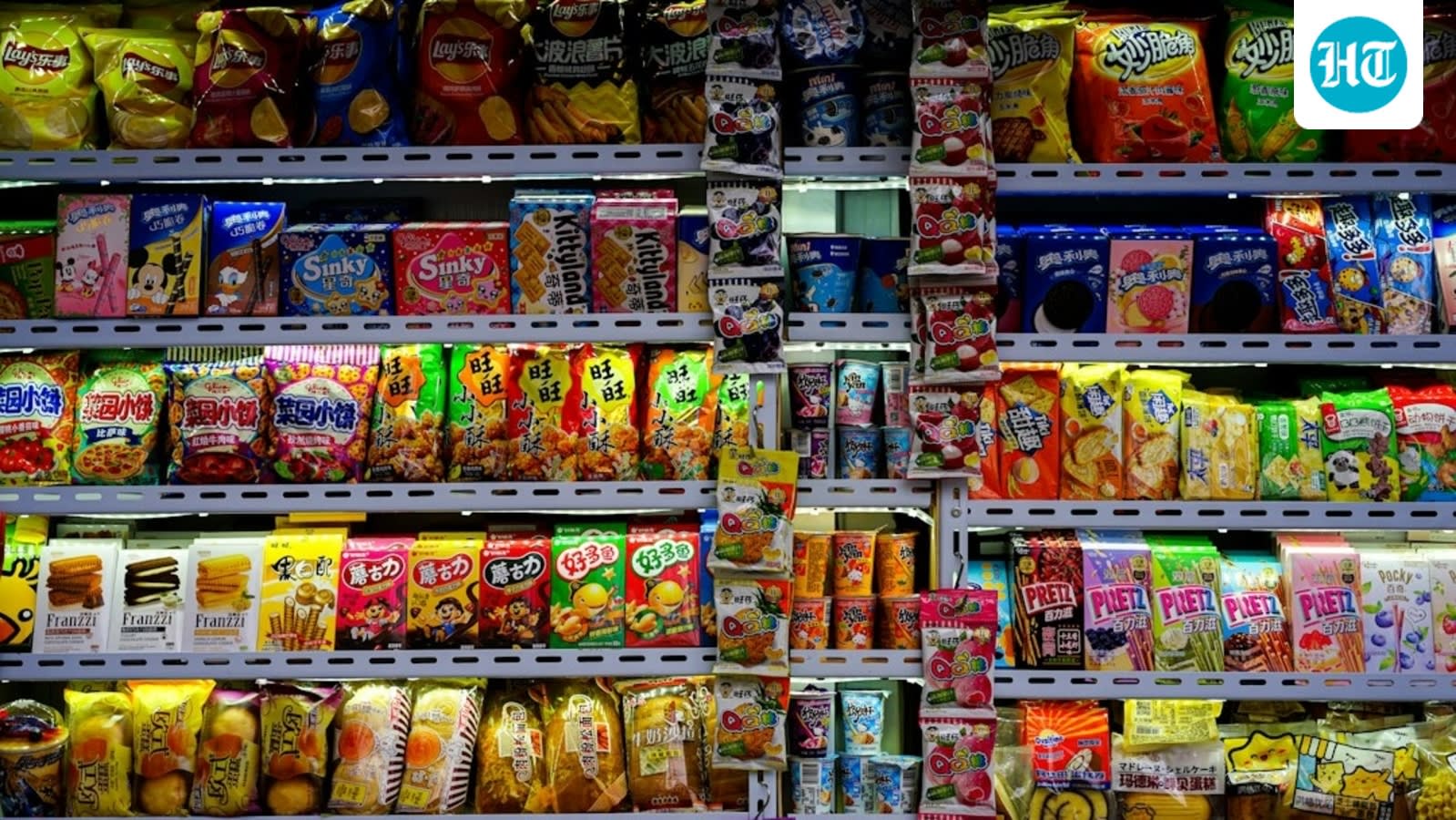
Nutritionist Lakshmi warns that popular 'healthy' Indian snacks like millet chips and jowar puffs often lose their nutritional value due to heavy processing. Consumers are cautioned to look beyond marketing labels and consider the full ingredient list and processing methods.
The Illusion of Health in Modern Indian Snacking
As the Indian consumer becomes increasingly health-conscious, the food industry has responded by flooding supermarket shelves with products labeled as 'healthy' alternatives. From millet chips to ragi cookies and jowar puffs, these items are marketed as superior choices to traditional fried snacks. However, as nutritionist Lakshmi points out, the presence of a wholesome base ingredient does not automatically grant a product health-food status. The transition from a whole grain to a mass-produced consumer packaged good often involves processing steps that fundamentally alter the nutritional profile of the original food.
The Processing Paradox
The core issue identified is the disconnect between the raw ingredient and the final product. While millets, ragi, and jowar are undeniably nutrient-dense whole grains, the manufacturing process required to turn these into chips or puffs often necessitates the addition of starches, refined oils, excessive salt, and artificial flavorings. When these additives are combined with the base grain, the resulting snack undergoes a transformation that shifts it away from a whole-food profile. Lakshmi emphasizes that a nutritious ingredient cannot compensate for a manufacturing process that strips away health benefits or introduces unhealthy additives.
Marketing vs. Reality
Marketing strategies often leverage the 'health halo' effect, where the inclusion of a single 'good' ingredient—such as quinoa or beetroot—is used to distract from the overall nutritional composition of the snack. Consumers often see labels like 'multigrain' or 'baked' and assume the product is inherently beneficial. This creates a false sense of security, leading individuals to consume these snacks in larger quantities than they would 'junk' food, failing to realize that the final calorie and sodium density may be comparable to traditional alternatives.
Navigating the Supermarket Aisle
The sheer variety of snacks, ranging from seed crackers to roasted makhana, makes it difficult for the average shopper to discern quality. The expert advice suggests a shift in perspective: instead of focusing solely on the primary grain listed on the front of the packet, consumers must scrutinize the back-of-pack labels. Ingredients, processing methods, and the ratio of additives are the true indicators of whether a snack aligns with a healthy lifestyle. The mere presence of a 'superfood' is not a proxy for nutritional equivalence.
A Call for Informed Consumption
Ultimately, the rise of processed 'healthy' snacks reflects a growing demand for convenience. However, convenience often comes at the cost of nutritional integrity. By deconstructing the composition of popular Indian favorites, we realize that the path to better health lies in mindful consumption rather than relying on industry-labeled 'healthy' snacks. Understanding that the final product is more than just its base ingredient is the first step toward making truly informed dietary choices in an era of deceptive food marketing.
Verification Required?