MEA says 10 Indians rescued, one missing after vessel attacked off Oman
Source Entity
India Latest News: Top National Headlines Today & Breaking News | The Hindu
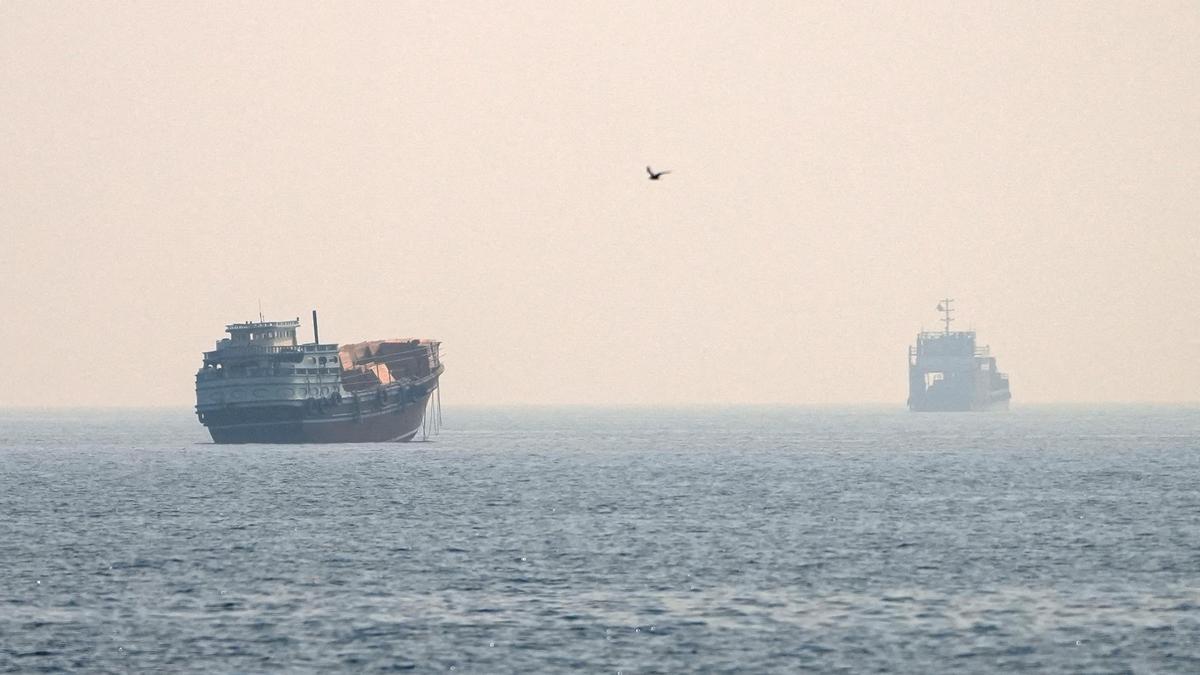
The MEA went on to describe as “deeply worrisome”, the “continuing incidents of attacks on commercial shipping in the region”
Maritime Crisis: Indian Nationals Targeted in Oman Vessel Attack
In a distressing development for maritime security, the Ministry of External Affairs (MEA) has reported that a commercial vessel operating off the coast of Oman was targeted in an attack. While the MEA confirmed that 10 Indian crew members were successfully rescued, the situation remains critical as one individual is still reported missing. This incident underscores the precarious nature of commercial shipping in one of the world's most volatile maritime corridors, leaving the Indian government in a race against time to locate the missing national.
The Geopolitical Volatility of the Gulf Region
To understand the gravity of this event, one must look at the strategic geography of the waters off Oman. This region serves as a gateway to the Strait of Hormuz, a narrow chokepoint through which a significant portion of the world's petroleum and liquefied natural gas (LNG) passes. The area has historically been a flashpoint for geopolitical tensions, often becoming a proxy battleground for regional powers. The attack on this vessel is not an isolated anomaly but rather a symptom of the heightened instability currently gripping the Arabian Sea and the Gulf of Oman, where commercial ships are frequently caught in the crossfire of political disputes.
Implications for Indian Seafarers
India provides a substantial portion of the global merchant navy workforce, making its citizens disproportionately vulnerable to maritime insecurity. The rescue of 10 Indians and the disappearance of another highlight the extreme physical and psychological risks faced by these seafarers. For the Indian government, the safety of its diaspora at sea is a primary diplomatic priority. This incident will likely prompt a review of safety protocols for Indian crews and may lead to increased demands for better protection and insurance coverage for sailors operating in high-risk zones.
Analyzing the "Deeply Worrisome" Trend
The MEA's description of the "continuing incidents of attacks on commercial shipping in the region" as "deeply worrisome" is a calculated diplomatic signal. It acknowledges a broader pattern of aggression—ranging from drone strikes and missile attacks to boardings and seizures—that has plagued the region in recent years. By using this language, India is highlighting that the security environment has deteriorated to a point where standard commercial transit is no longer guaranteed. This trend suggests that non-state actors or regional militias are increasingly targeting non-military vessels to exert political pressure on global powers.
India's Strategic Naval Response
In response to such threats, India has significantly ramped up its naval presence in the North Arabian Sea. The Indian Navy has transitioned from a traditional policing role to a more active security provider, deploying destroyers and frigates to escort commercial vessels and conduct anti-piracy patrols. The rescue operation following the Oman attack is a direct result of this enhanced vigilance. As these attacks persist, India is likely to further strengthen its maritime domain awareness (MDA) and collaborate more closely with international coalitions to ensure the freedom of navigation.
Economic Ripples and Global Trade
Beyond the immediate human tragedy, attacks of this nature have severe economic implications. When commercial shipping is threatened, insurance premiums for vessels—known as "war risk premiums"—spike dramatically. This increases the cost of transporting goods, which eventually trickles down to the consumer in the form of higher prices for energy and commodities. The instability off the coast of Oman threatens the reliability of global supply chains, potentially forcing shipping companies to take longer, more expensive routes to avoid the danger zone.
Conclusion and Future Outlook
This incident serves as a stark reminder that the maritime security of the Indian Ocean region is fragile. The rescue of 10 Indians is a positive outcome, but the missing crew member remains a poignant symbol of the risks inherent in today's geopolitical climate. Moving forward, it is expected that India will intensify its diplomatic efforts to condemn these attacks and push for a multilateral security framework. Until regional stability is restored, the "deeply worrisome" trend identified by the MEA will continue to pose a significant threat to global trade and the lives of thousands of seafarers.
Verification Required?