Indian Railways train cancelled? Check refund rules for IRCTC e-tickets and counter tickets
Source Entity
Anish Mondal
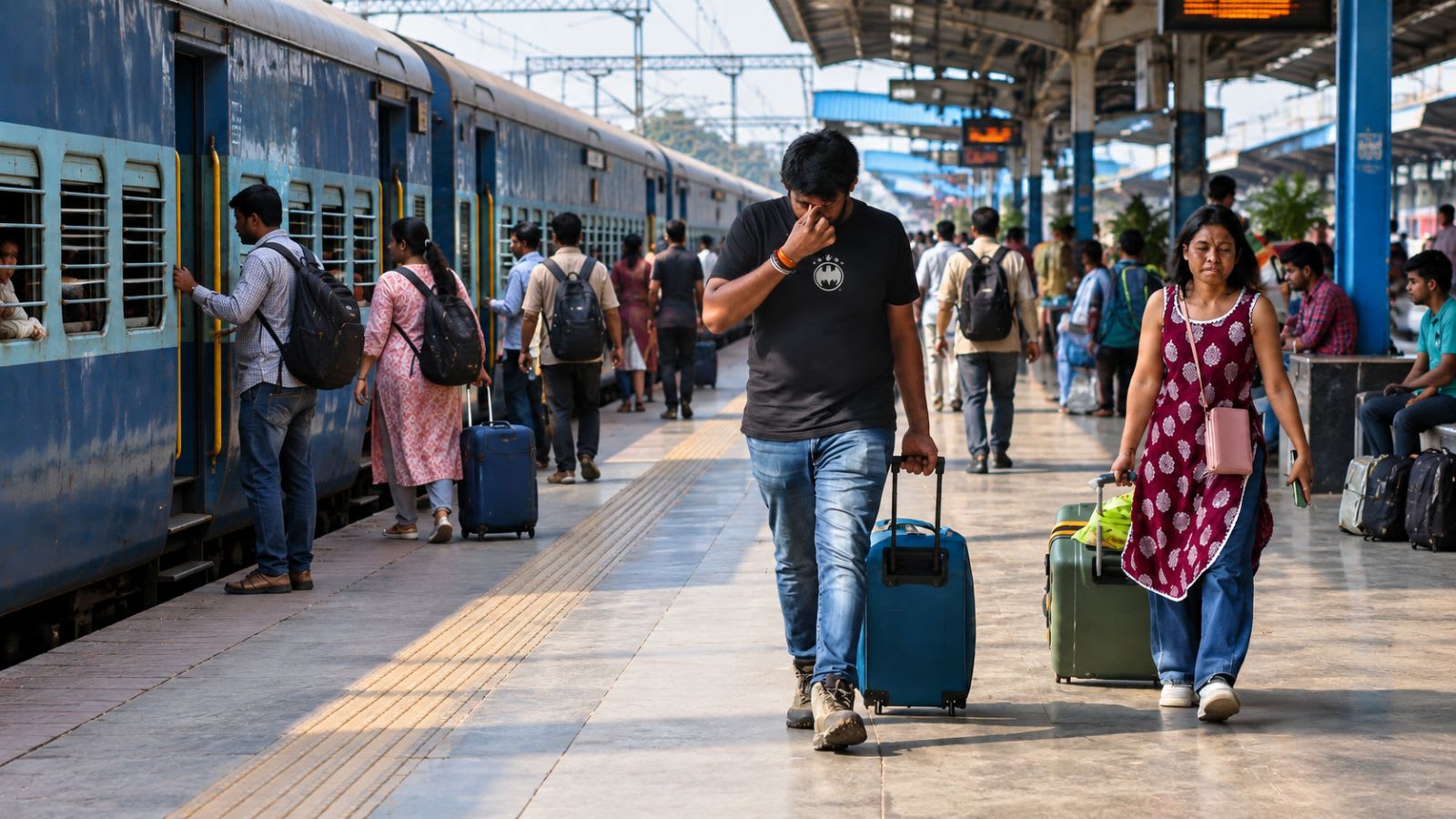
Indian Railways has cancelled over 240 trains near Delhi due to anticipated protests, prompting clear refund guidelines. Additionally, the network is enforcing stricter conduct rules to curb the nuisance of loud audio in public coaches.
Disruption and Passenger Rights: Navigating Recent Rail Cancellations
The recent announcement by Indian Railways regarding the cancellation of over 240 train services serves as a stark reminder of the logistical volatility inherent in one of the world’s largest rail networks. Triggered by expected traffic congestion around the New Delhi and Hazrat Nizamuddin stations due to a planned protest by the Cockroach Janta Party (CJP), this mass cancellation highlights how civil unrest and local political movements can create significant ripple effects across national infrastructure.
Understanding the Refund Landscape
For passengers affected by these cancellations, understanding the distinction between booking platforms is critical. For those who utilized the IRCTC e-ticketing portal, the refund process is largely automated, ensuring that the fare is credited back to the original source of payment without the need for manual intervention. Conversely, passengers holding tickets purchased at physical reservation counters must follow specific procedures, often requiring a visit to the Passenger Reservation System (PRS) counter to process their claims, emphasizing the importance of keeping physical records secure during travel disruptions.
Maintaining Order: The Crackdown on Public Nuisance
Beyond the logistical challenges of cancellations, Indian Railways is simultaneously focusing on the quality of the passenger experience through behavioral enforcement. The recent directive warning of punitive action—including potential imprisonment—for playing loud music or videos on speaker mode reflects a growing need to manage the social dynamics within high-density transit environments. As mobile technology usage has surged, the potential for individual devices to disrupt the peace of an entire coach has become a significant source of passenger friction.
The Intersection of Infrastructure and Social Responsibility
These two developments—the management of mass cancellations and the regulation of personal conduct—underscore the dual role of Indian Railways as both a vital transportation backbone and a public space that requires governance. The warning against loud audio is not merely an advisory; it is an attempt to enforce etiquette in enclosed spaces such as AC coaches, where the proximity of travelers amplifies the impact of auditory disturbances. By encouraging the use of earphones, the railway authorities are attempting to modernize the social contract of the commuter experience.
Broader Implications and Future Trends
Looking ahead, the increased frequency of such disruptions suggests that Indian Railways is prioritizing safety and crowd control over operational continuity during times of political tension. For the average traveler, this necessitates a higher level of preparedness, including monitoring official railway communications for real-time updates. As the network continues to scale and modernize, the tension between maintaining rigid schedules and adapting to the evolving demands of public order and passenger comfort will likely remain a central theme in Indian transit policy.