Five railway hubs covering 16 stations lead Diwali rush; Delhi and Mumbai top the list
Source Entity
Dheeraj Mishra
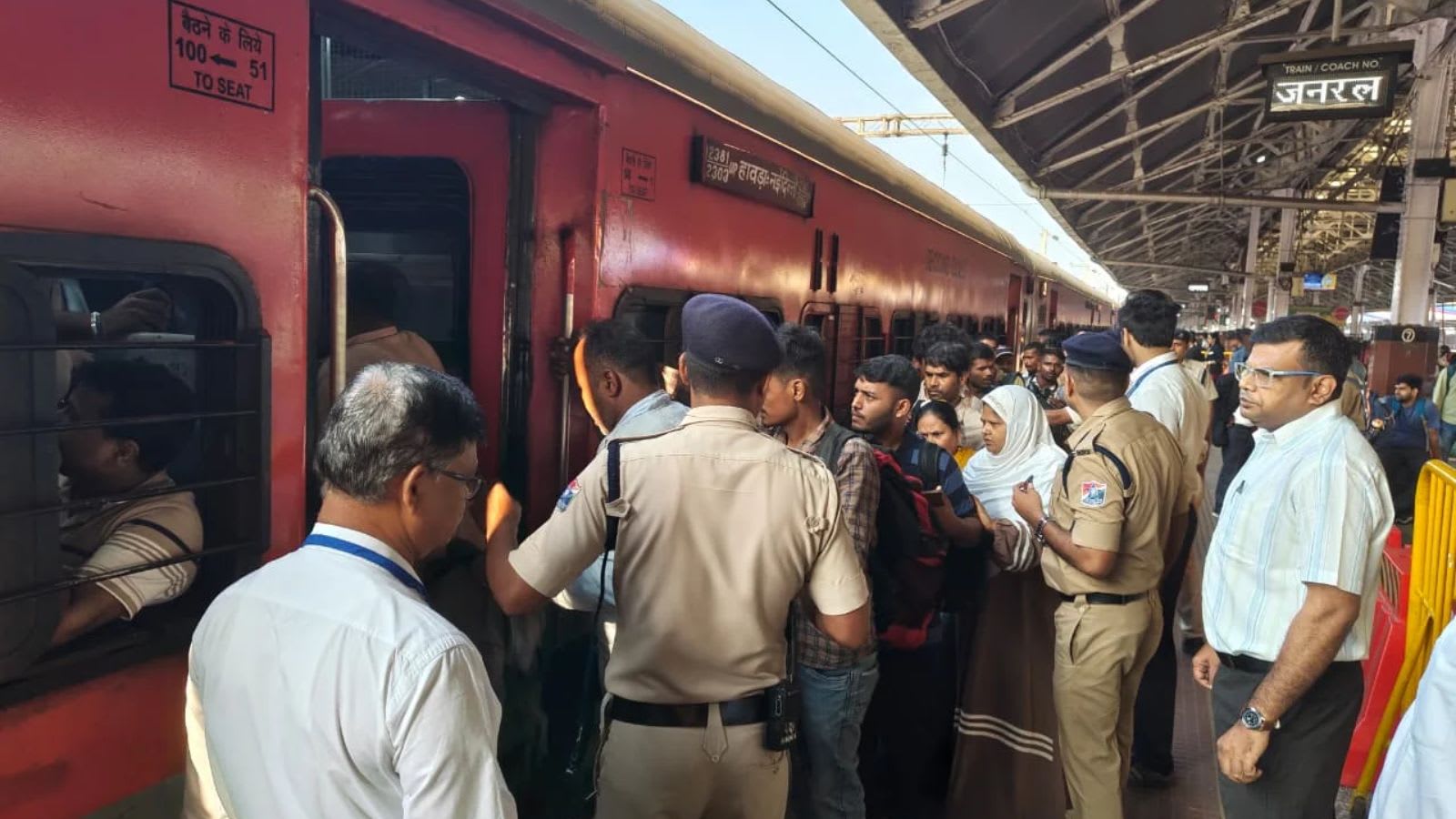
Indian Railways is managing a massive Diwali passenger surge across five major hubs using advanced AI surveillance and centralized monitoring. Data shows a significant increase in travel volume compared to previous months, with officials prioritizing crowd control to ensure passenger safety.
The Great Diwali Exodus: Analyzing India's Railway Surge
As the festive season reaches its peak, the Indian railway network has become the epicenter of a massive logistical undertaking. Data reveals that five major urban hubs—Delhi, Mumbai, Bengaluru, Hyderabad, and Surat—have emerged as the primary departure points for millions of travelers. Spanning 16 stations across these cities, this movement represents a significant spike in demand, with officials reporting approximately 20 lakh additional passengers between November 1 and 6 compared to the preceding months of September and October.
The Scale of Passenger Movement
The sheer volume of this migration is staggering, with over 56 lakh passengers recorded departing from these hubs during the six-day period. This is a sharp increase from the 37 lakh passengers seen in the same duration during the previous two months. Notably, the passenger demographic is split almost evenly between reserved travelers (52.5%) and those in unreserved or general classes (47.5%), highlighting the challenges inherent in managing diverse travel needs during the peak festive window.
Technological Intervention: The 'War Room'
To address the complexities of this surge, Indian Railways has activated a high-tech 'War Room' at Rail Bhawan in New Delhi. This centralized facility acts as the nerve center for nationwide operations, integrating AI-based systems and live CCTV feeds. By monitoring platforms, foot-over bridges, and station surroundings in real-time, officials can identify bottlenecks before they escalate, ensuring that the movement of millions remains orderly and safe.
Strategic Oversight and Crowd Management
Railway Minister Ashwini Vaishnaw’s recent review of the War Room underscores the government's commitment to leveraging data-driven decision-making. By tracking train movements and delays alongside passenger influx data, the system allows for real-time adjustments. This proactive approach is essential for managing the dual pressure of Diwali and the upcoming Chhath Puja, two of the most significant periods for rail travel in India.
Broader Implications for Infrastructure
This reliance on AI and centralized monitoring marks a shift in how Indian Railways manages seasonal volatility. As urban centers continue to draw labor from across the country, the infrastructure must handle increasingly intense 'peak' periods. The successful deployment of these technologies not only facilitates smoother current operations but provides a blueprint for future crowd management strategies as the passenger base continues to expand.
Future Trends and Conclusion
Looking ahead, the integration of real-time data will likely become a permanent fixture in railway operations. As the demand for connectivity grows, the ability to predict surges and allocate resources—such as additional coaches or special trains—will depend heavily on the accuracy of the insights generated by the War Room. The current management of the Diwali rush serves as a critical stress test for the railway’s modernization efforts, proving that technology is now as vital as the tracks themselves in keeping India moving.