Indian Railways runs first 1.3-km-long double-stack container train: Watch Video
Source Entity
Anish Mondal
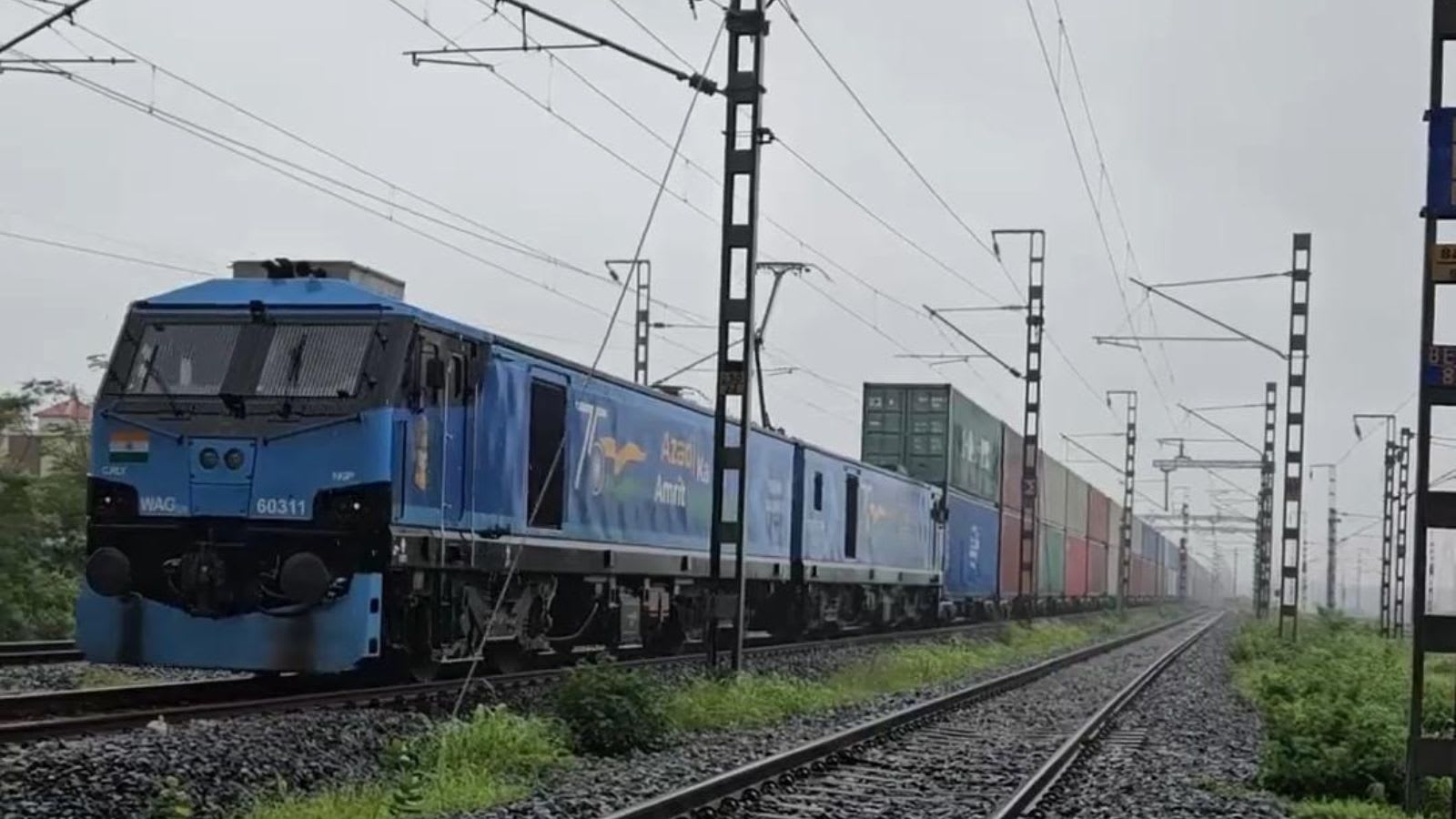
Indian Railways has successfully operated its first 1.3-km-long double-stack container train on the Western Dedicated Freight Corridor. This long-haul operation carried 360 TEUs between JNPT and Varnama, marking a significant milestone in enhancing national logistics efficiency.
Revolutionizing Indian Logistics: The WDFC Milestone
Indian Railways has achieved a significant operational milestone by successfully running its first 1.3-km-long double-stack container train along the Western Dedicated Freight Corridor (WDFC). This operation, which saw the train travel from the Jawaharlal Nehru Port (JNPT) near Mumbai to the CONCOR terminal at Varnama in Vadodara, represents a strategic shift in how the nation approaches bulk freight transportation. By joining two double-stack rakes into a single long-haul unit, the railway has effectively doubled the throughput capacity per transit.
Technical Feats and Capacity Expansion
The logistical complexity of this operation cannot be overstated. By combining two standard double-stack rakes, each carrying 180 TEUs, the total capacity reached 360 TEUs. This configuration allows for a more efficient utilization of the WDFC infrastructure. The journey, spanning approximately 422 kilometers, demonstrates the viability of long-haul operations on this specialized corridor, which is specifically engineered to handle heavier, taller, and faster freight movements compared to the traditional mixed-traffic lines.
Strategic Importance of the WDFC
The Western Dedicated Freight Corridor serves as a backbone for India’s industrial export-import trade. By connecting the major port of JNPT to the hinterlands of Gujarat, the corridor acts as a high-speed artery for commerce. Utilizing double-stack technology on this route is essential for reducing the per-unit cost of transportation, thereby making Indian goods more competitive in the global market. The ability to move 360 containers in a single train run significantly reduces the number of individual train paths required, easing congestion on the network.
Impact on Supply Chain Efficiency
This development is a direct response to the growing demand for faster and more reliable freight movement. As India strives to lower its overall logistics costs—currently a significant percentage of its GDP—innovations like long-haul, double-stack trains are critical. By streamlining the transit from the port to inland terminals like Varnama, the railway is minimizing turnaround times and improving the reliability of the supply chain for manufacturers and exporters alike.
Future Trends and Outlook
Looking ahead, the success of this 1.3-km-long operation suggests a blueprint for future freight management. As the WDFC continues to integrate with the broader rail network, we can expect to see more of these high-capacity trains becoming the standard rather than the exception. This shift will likely encourage further investment in terminal infrastructure and handling equipment capable of managing larger volumes, ultimately transforming the efficiency of India's logistics landscape in the coming years.