Railway Board approves shift of 5 trains from Howrah, Santragachi to new terminals
Source Entity
Anish Mondal
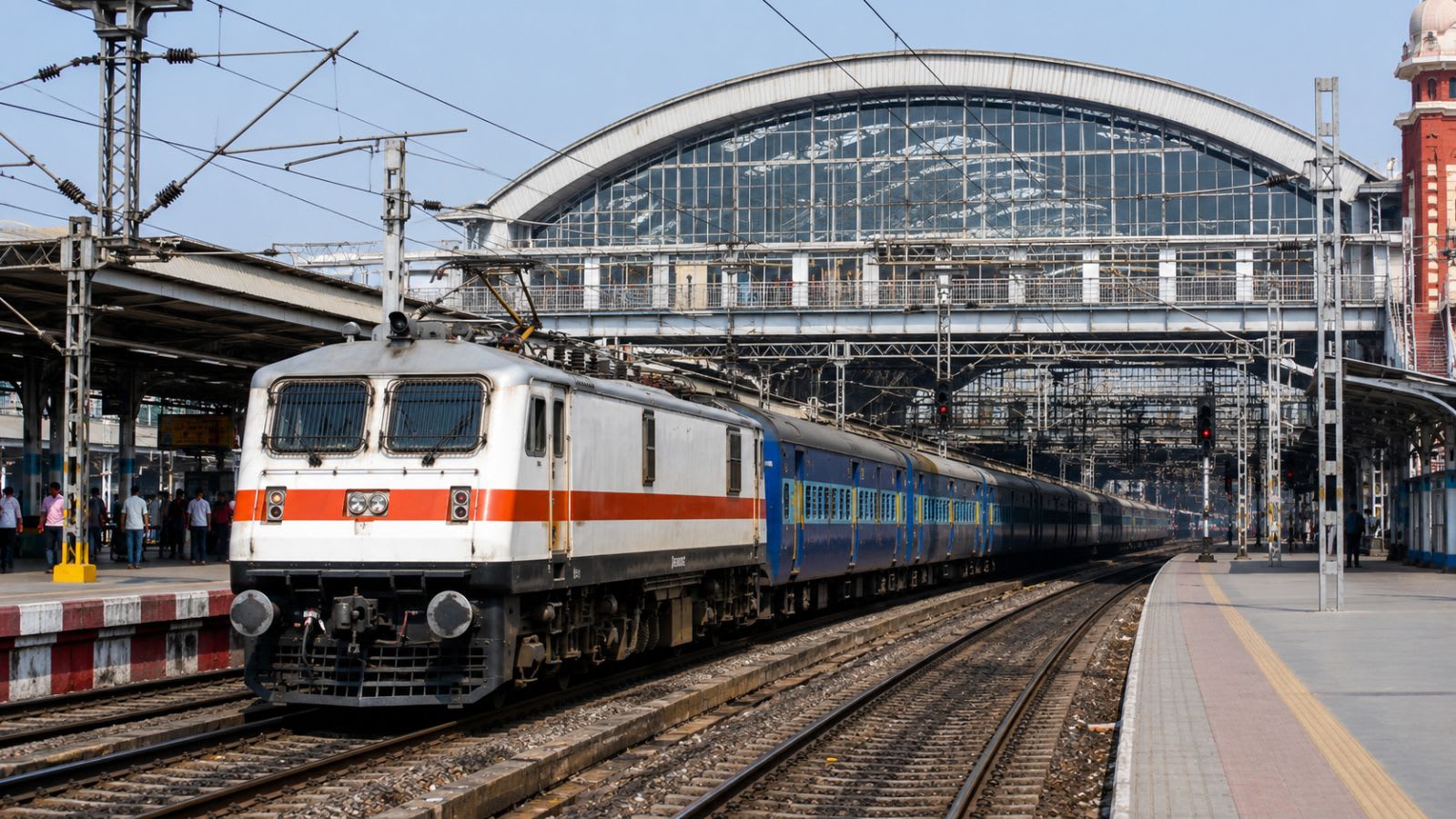
Indian Railways is undertaking significant operational shifts, including moving train terminals in West Bengal and launching the new Dhanbad-Coimbatore Amrit Bharat Express. Additionally, the capacity of Kerala's third Vande Bharat Express has been increased to 16 coaches to meet rising passenger demand.
Strategic Overhaul of Indian Railways: Operational Efficiency and Connectivity
Indian Railways is currently undergoing a period of significant logistical realignment, as evidenced by recent Railway Board directives. These changes, spanning from terminal reallocations in West Bengal to the introduction of new service categories and capacity upgrades in the south, reflect a broader strategy to optimize existing infrastructure while simultaneously expanding the network to serve diverse demographic segments.
Terminal Optimization in West Bengal
The Railway Board's decision to shift five train services from Howrah and Santragachi to Shalimar and other terminals is a calculated move to decongest legacy stations. Howrah, as one of the oldest and busiest transit hubs in the country, faces immense pressure due to high passenger footfall and frequent train movements. By migrating originating terminals to Shalimar, the administration aims to streamline operations, reduce bottlenecks, and improve the punctuality of long-distance Mail/Express services.
Expanding Connectivity: The Amrit Bharat Express
The introduction of the Dhanbad-Coimbatore Amrit Bharat Express represents a commitment to affordable long-distance connectivity. By linking Jharkhand and Tamil Nadu with a service specifically designed for lower and lower-middle-income passengers, Indian Railways is addressing a critical socio-economic gap in transit. Covering the journey in approximately 50 hours and 20 minutes, this train serves as a vital artery for migrant workers and students who rely on cost-effective travel options between the industrial corridors of the east and the southern states.
Scaling Capacity for Modern Transit
Beyond infrastructure and new routes, the system is also responding to real-time demand metrics. The decision to upgrade Kerala’s third Vande Bharat Express—running between Ernakulam and KSR Bengaluru—to a 16-coach configuration nine months after its launch is indicative of the high adoption rates for semi-high-speed rail. This expansion ensures that the increased demand for premium, faster travel in the Kerala-Karnataka corridor is met without compromising on passenger comfort.
Broader Implications and Future Trends
These developments signify a multi-pronged approach to railway management: capacity management, social inclusivity, and modernization. The shift of terminals suggests that the Railway Board is focusing on 'decentralized congestion management,' moving away from over-reliant central hubs toward satellite terminals. Meanwhile, the deployment of the Amrit Bharat series highlights a shift toward segment-specific train sets, ensuring that the modernization of the fleet does not exclude budget-conscious travelers.
Concluding Summary
In conclusion, the current series of updates from the Ministry of Railways underscores a period of active optimization. Whether through the strategic relocation of terminal operations in West Bengal, the inauguration of the Dhanbad-Coimbatore route, or the capacity enhancement of Vande Bharat services, the focus remains on balancing operational efficiency with the growing and diverse travel needs of the Indian population. These initiatives collectively aim to foster a more responsive and robust national rail network.