'Unfortunate, irresponsible': J&K CM's remarks on Article 370 & PoK draw BJP fire
Source Entity
TOI NEWS DESK
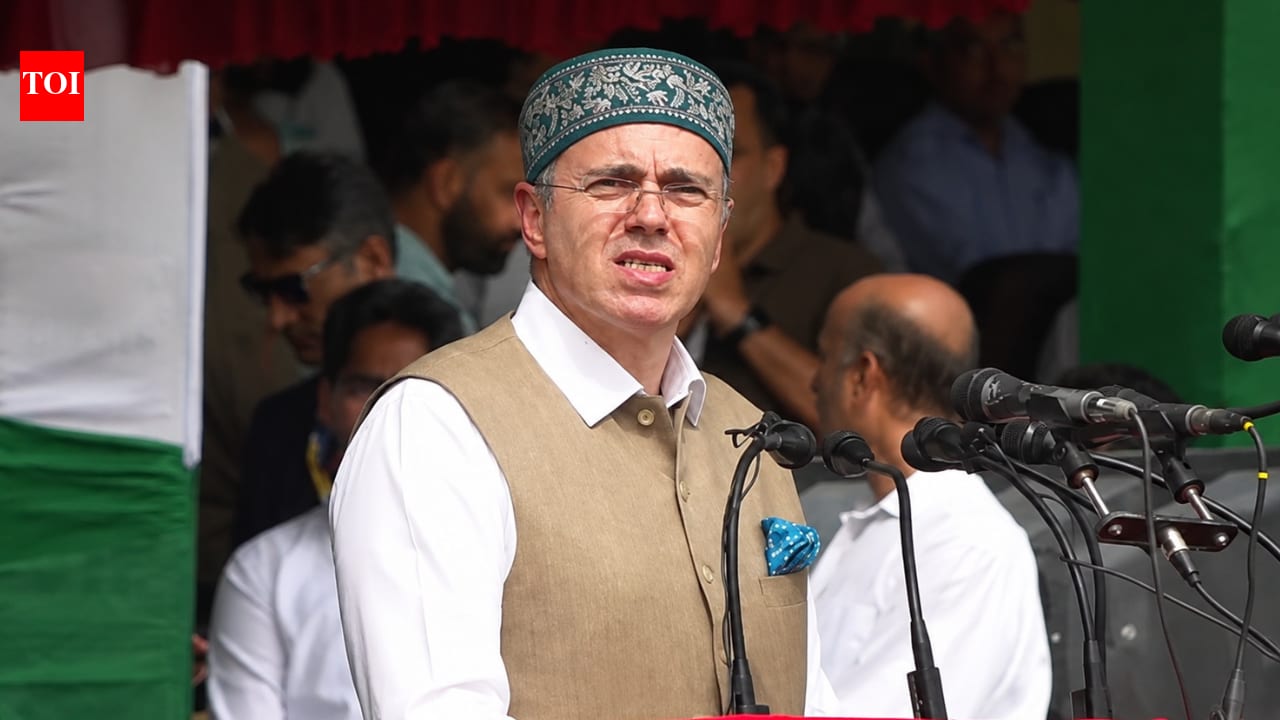
Indian politics remains highly polarized as recent events highlight clashes over Article 370, national symbols, and the legacy of former PM Atal Bihari Vajpayee. These developments reflect the ongoing ideological struggle between the ruling BJP and opposition forces.
Political Polarization in Contemporary India
The current political landscape in India is characterized by intensifying ideological friction, as evidenced by recent controversies spanning constitutional status, nationalistic symbols, and historical remembrance. The intersection of these events—ranging from the status of Jammu and Kashmir to the performance of the national song—underscores a persistent divide between the ruling Bharatiya Janata Party (BJP) and various opposition entities.
The Article 370 Controversy
Recent remarks regarding Article 370 and Pakistan-occupied Kashmir (PoK) by the Chief Minister of Jammu and Kashmir have ignited a sharp confrontation with the BJP. The party has labeled these statements as "irresponsible" and "unfortunate," reflecting the high stakes involved in the post-2019 constitutional framework of the region. This clash is not merely a policy disagreement but a fundamental dispute over national sovereignty and the narrative of integration that the BJP champions.
Symbolism and National Identity
Simultaneously, the political discourse has been further inflamed by a fresh clash between the Congress and the BJP over the full rendition of 'Vande Mataram.' Such disputes highlight how cultural symbols remain potent tools for signaling ideological loyalty in the Indian political theater. By debating the nuances of nationalistic rituals, both parties continue to consolidate their respective voter bases, often at the cost of legislative consensus.
Honoring Historical Legacies
In contrast to these confrontations, the political class found a momentary point of convergence during the death anniversary of former Prime Minister Atal Bihari Vajpayee. Prime Minister Narendra Modi, President Droupadi Murmu, and various BJP leaders gathered to pay tribute to the late leader. Vajpayee remains a foundational figure for the BJP, and these commemorations serve to reinforce the party's ideological lineage while projecting a sense of national reverence.
Broader Implications and Future Trends
These events collectively suggest that India’s political environment will continue to be defined by high-intensity rhetoric. As the government moves forward with its policy agenda, the opposition remains committed to challenging the narrative, particularly concerning constitutional matters and cultural identity. The trend indicates that 'history' and 'nationalism' will remain the primary battlegrounds for political legitimacy in the coming cycle.
Conclusion
While the tribute to Atal Bihari Vajpayee offered a rare moment of unity, the underlying tensions regarding Article 370 and the performative aspects of nationalism ensure that the political climate remains fraught. The ability of the Indian political system to balance these ideological extremes will be a defining feature of the country's democratic health in the near term.