Court refuses to discharge Congress leader in casteist abuse case, tells him to face trial
Source Entity
Mustafa Plumber
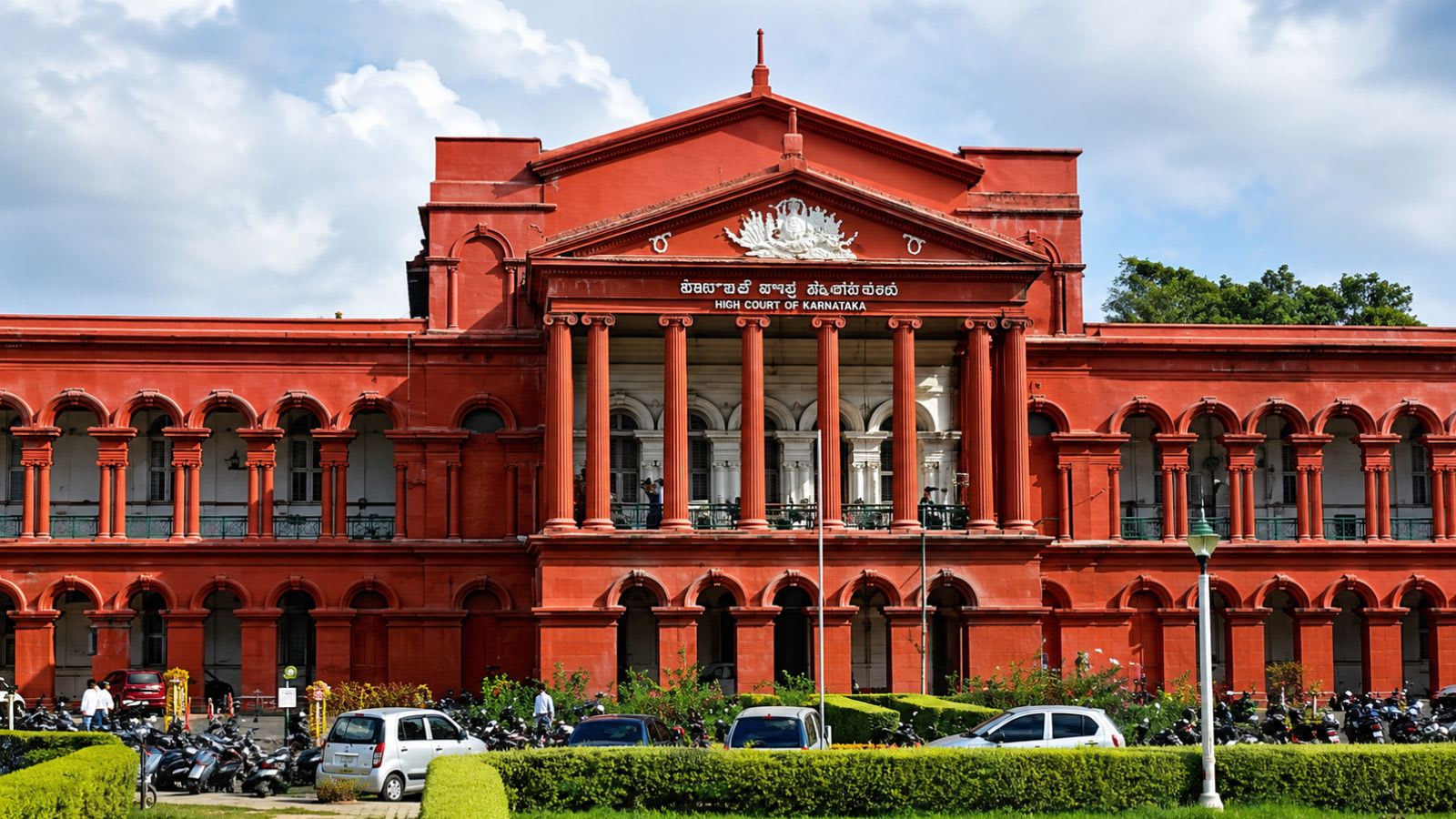
The Karnataka High Court has ordered Congress leader Sirajuddin to face trial for allegedly hurling casteist abuses at former MLA Bhima Naik. The court emphasized that such actions constitute a direct affront to constitutional values regarding equality and human dignity.
Karnataka High Court Rejects Plea in Casteist Abuse Case
The Karnataka High Court has delivered a significant legal verdict, rejecting the plea of Congress leader Sirajuddin, also known as Siraj Sheik, who sought to be discharged in a case involving alleged casteist abuse. The case stems from accusations leveled by former MLA Bhima Naik, a party colleague, who alleged that Sheik directed derogatory, caste-laden remarks toward him. By dismissing the petition to quash the trial court proceedings, the High Court has ensured that the judicial process will proceed to determine the merits of the allegations.
Constitutional Mandate vs. Political Conduct
Justice M Nagaprasanna’s ruling carries profound implications for political discourse in India. In his observations, the judge underscored that when political figures or their associates engage in caste-based slurs against members of the Scheduled Castes (SC) or Scheduled Tribes (ST), the impact transcends the individual victim. It is viewed as a systemic challenge to the constitutional promise of equal citizenship. This legal stance reinforces the principle that public figures are held to a higher standard of conduct, particularly when their actions undermine the protections afforded by the law to marginalized communities.
The Inviolability of Human Dignity
Central to the court’s reasoning is the concept of dignity as an inherent right rather than a privilege. Justice Nagaprasanna explicitly noted that dignity is not a concession bestowed by the powerful upon the marginalized but an inviolable constitutional entitlement. This framing shifts the focus from a mere interpersonal dispute to a fundamental violation of human rights. By refusing to discharge the accused, the court has signaled that the judiciary will strictly scrutinize actions that perpetuate social hierarchies through verbal abuse.
Judicial Precedent and Future Implications
This decision serves as a stern reminder of the legal consequences surrounding the use of casteist language. The refusal to discharge the accused at this stage of the litigation suggests that the evidence presented to the trial court meets the threshold necessary to warrant a full legal hearing. Such judicial interventions are likely to influence future political conduct, creating a deterrent effect against the normalization of discriminatory language within political party ranks.
Broader Socio-Political Context
As Indian politics continues to navigate the complexities of caste representation and social justice, the judiciary remains a critical arbiter in protecting the integrity of the constitutional order. The tension between political rivalry and the sanctity of the Scheduled Castes and the Scheduled Tribes (Prevention of Atrocities) Act often comes to the fore in such cases. By prioritizing the constitutional mandate over political expediency, the Karnataka High Court has reinforced the necessity of protecting the dignity of all citizens, regardless of their political standing or social background.
Conclusion
In summary, the Karnataka High Court’s decision to mandate a trial for Sirajuddin marks a pivotal moment in ensuring accountability for caste-based discrimination. By affirming that casteist abuse is a direct affront to the constitutional order, the court has provided a robust defense of the rights of marginalized individuals. The upcoming trial will be closely watched as a test case for the application of anti-discrimination laws within the high-stakes environment of state-level politics.