Indian rupee hit by oil worries; outlook bearish despite RBI-spurred inflows
Source Entity
Latest News: Today's Latest News Headlines from India & World | Hindustan Times | Hindustan Times
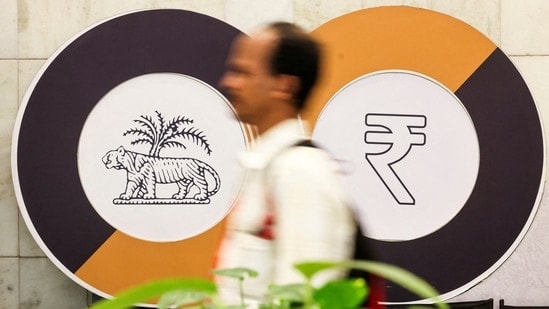
The Indian rupee faces significant downward pressure as rising global crude oil prices and bearish market sentiment drive demand for the U.S. dollar. Despite intervention from the Reserve Bank of India, the currency continues to struggle near the 96.50 level.
The Indian Rupee Under Pressure: A Macroeconomic Overview
The Indian rupee is currently navigating a period of heightened volatility, reflecting broader macroeconomic concerns that have left investors cautious. As the currency prepares to open in the 96.50 to 96.55 range following a previous close of 96.4450, the market is bracing for continued weakness. This downward trajectory is fundamentally driven by a combination of external commodity shocks and shifting sentiment in derivative markets, which have collectively bolstered demand for the U.S. dollar.
The Impact of Global Crude Oil Prices
At the heart of the rupee's recent deterioration is the rally in global crude oil prices. As a major importer of energy, India is uniquely sensitive to price fluctuations in the oil market. Recent geopolitical tensions between the United States and Iran have exacerbated these concerns, creating a supply-side shock that directly impacts India's trade balance. When oil prices rise, the demand for foreign exchange to settle import bills increases, effectively draining liquidity and putting systemic pressure on the rupee.
Market Sentiment and Derivative Positioning
Beyond the immediate impact of oil prices, the shift in derivative market positioning suggests a growing bearish outlook among institutional traders. The fact that the rupee slipped past the 96.50 threshold for the first time in two months signals a psychological shift in the market. Traders are increasingly hedging against further depreciation, a sentiment that creates a self-reinforcing cycle of selling pressure as the currency struggles to find a stable floor.
The Role of RBI Intervention
Amidst this bearish climate, the Reserve Bank of India (RBI) remains a critical stabilizing force. Market participants have noted that the currency would likely have weakened significantly further had it not been for the active intervention of the central bank. By managing liquidity and attempting to curb extreme volatility, the RBI is acting as a necessary buffer, although it faces the difficult challenge of balancing currency support with broader monetary policy objectives.
Broader Implications and Future Outlook
Looking ahead, the outlook for the rupee remains challenged. The combination of sustained high oil prices and the ongoing uncertainty regarding U.S. Federal Reserve rate policies creates a complex environment for emerging market currencies. If geopolitical tensions persist, the rupee will likely remain tethered to these external variables, making it difficult for the currency to regain significant ground in the near term.
Conclusion
In summary, the rupee's current struggle is a direct reflection of a challenging global economic landscape. While the RBI continues to provide essential market support, the underlying pressures from energy costs and market sentiment remain dominant. Investors and policymakers alike will need to closely monitor global oil trends and central bank actions to gauge the path of the rupee in the coming weeks.
Verification Required?