Sensex, Nifty open higher after four-session losing streak
Source Entity
Latest News: Todays Latest News Headlines from India & World | Hindustan Times | Hindustan Times
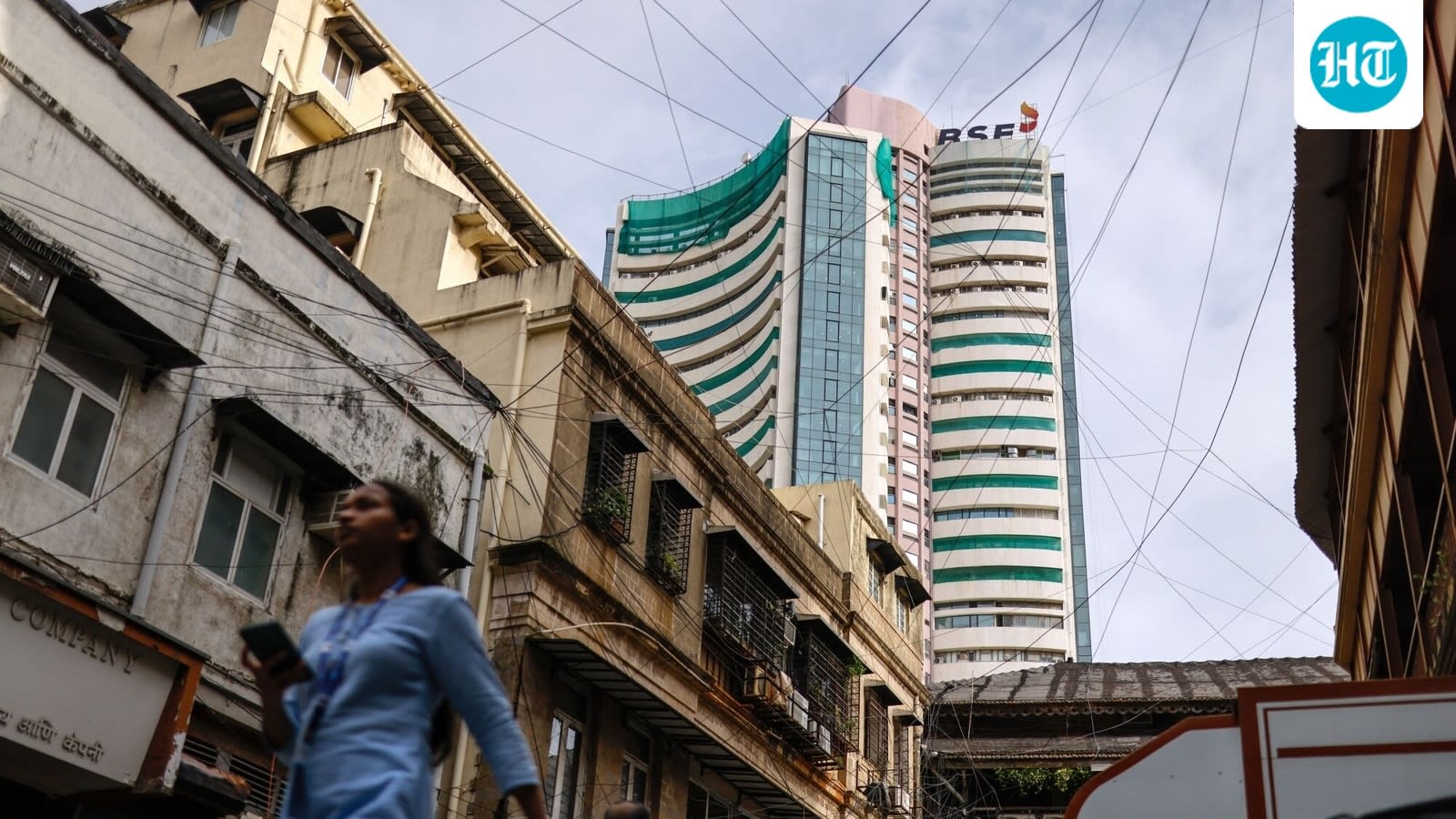
Indian stock markets remained operational on September 4, 2026, despite the Janmashtami festival, as it is not listed as a trading holiday. Following a bearish streak, Sensex and Nifty rebounded significantly, driven by shifting expectations regarding US Federal Reserve interest rates.
Market Resilience on Janmashtami
On Friday, September 4, 2026, the Indian stock exchanges, namely the National Stock Exchange (NSE) and the Bombay Stock Exchange (BSE), maintained regular trading operations. Despite widespread public observance of the Janmashtami festival—which typically results in closures for banks and various government offices—market participants continued their activities as usual. The decision to remain open is consistent with the official 2026 trading holiday calendar, which does not recognize Janmashtami as an off-day for the equity markets.
Breaking the Bearish Trend
The market’s decision to remain open proved timely for investors, as the indices saw a notable recovery. Prior to this session, the Indian markets had endured a difficult four-session losing streak, characterized by a bearish sentiment that saw the 30-share BSE Sensex drop by 417.49 points on the preceding Thursday alone. However, the Friday session brought a sharp reversal, with the Sensex surging 518.82 points shortly after the opening bell, while the Nifty climbed nearly 50 points, signaling a robust return of investor confidence.
Global Catalysts and Macroeconomic Drivers
The primary catalyst for this positive momentum was the shifting outlook regarding United States monetary policy. Market participants reacted favorably to cooling expectations of a potential US Federal Reserve interest rate hike later in the month. When the prospect of aggressive rate hikes diminishes, global liquidity often finds its way into emerging market equities, while simultaneously exerting downward pressure on bond yields. This macro environment provided the necessary tailwind for the Indian indices to snap their multi-day slump.
Navigating the 2026 Holiday Calendar
For investors and traders, navigating the holiday calendar is essential for managing settlement cycles and liquidity planning. While September 4 was a regular trading day, the upcoming schedule for 2026 includes several confirmed market closures. Notable dates ahead include Ganesh Chaturthi on September 14, followed by Mahatma Gandhi Jayanti in October, and major festivals such as Dussehra and Diwali in the final quarter of the year. Understanding these breaks is critical for institutional and retail investors alike to mitigate risk.
Future Implications and Investor Strategy
The events of September 4 underscore the importance of distinguishing between public holidays and official trading holidays. As the market continues to react to global economic indicators, the ability of the NSE and BSE to maintain continuity allows for price discovery even during local festivities. Moving forward, volatility is likely to remain tied to external global cues—such as US central bank policies—rather than domestic holiday cycles. Investors are encouraged to remain vigilant of the official exchange calendars to avoid potential disruptions in their portfolio management strategies.
Multiple Citing Sources
Verification Required?