Boat carrying Indian tourists capsizes in Vietnam’s Phu Quoc
Source Entity
The Indian Express
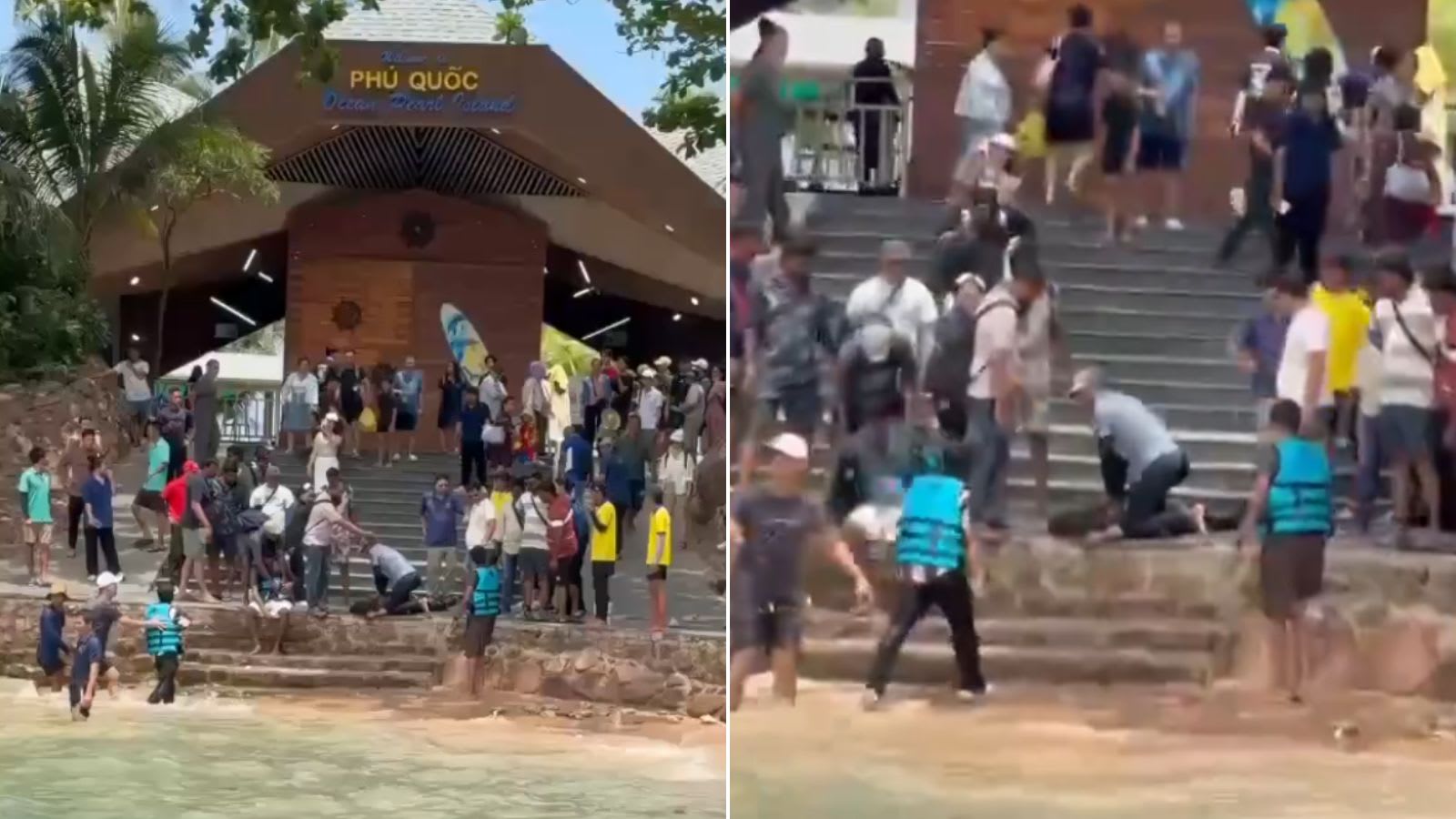
"In a tragic incident, a boat carrying several Indian tourists has capsized near Phu Quoc Island in Vietnam," the embassy said in a post on X. (Screenshots from ANI video) At least 15 Indian tourists...
Tragic Maritime Accident Near Phu Quoc: Analysis of Indian Tourist Boat Capsizing
In a distressing turn of events, a boat carrying at least 15 Indian tourists capsized in the waters surrounding Phu Quoc Island, Vietnam. The incident was brought to light through official communications from the Indian embassy via social media and verified reports from ANI. This tragedy underscores the inherent risks associated with maritime excursions in high-traffic tourist zones and highlights the critical role of diplomatic intervention during international crises.
The Incident and Immediate Response
The capsizing occurred in the vicinity of Phu Quoc, a region renowned for its stunning beaches and turquoise waters, which attract millions of visitors annually. The sudden nature of the accident left at least 15 Indian nationals in a precarious situation. The Indian embassy's rapid dissemination of information on X (formerly Twitter) indicates a high level of urgency in coordinating rescue efforts and notifying the families of those involved. The use of video evidence from ANI further emphasizes the chaotic nature of the event, providing a visual record that often aids investigators in determining the cause of such maritime failures.
Phu Quoc as a Tourism Hub: Context and Vulnerabilities
Phu Quoc Island has seen an exponential increase in popularity among Indian travelers due to favorable visa policies and the island's growing reputation as a luxury getaway. However, this rapid growth in tourism often outpaces the development of stringent safety infrastructure. Many boat tours in the region are operated by small-scale local vendors who may not always adhere to international safety standards. When a surge of tourists arrives, there is an increased risk of overloading vessels or operating in suboptimal weather conditions, both of which are primary contributors to capsizing incidents in Southeast Asian waters.
Diplomatic Coordination and Consular Support
The involvement of the Indian embassy is a pivotal aspect of this event. In cases of mass casualties or emergencies involving foreign nationals, the embassy acts as the primary liaison between the victim's family, the host country's government, and local emergency services. This coordination is essential for ensuring that medical care is provided promptly and that the legal rights of the tourists are protected. The prompt public acknowledgement of the incident suggests that the embassy is prioritizing transparency to manage the anxiety of the public and the affected families in India.
Broader Implications for Maritime Safety
This accident serves as a grim reminder of the systemic gaps in maritime safety enforcement for tourist activities. Capsizing events are rarely the result of a single failure but are usually a combination of mechanical malfunction, human error, and environmental factors. This incident will likely prompt a review of safety protocols for tour operators in Phu Quoc. There is an urgent need for mandatory safety briefings, the universal provision of high-quality life jackets, and stricter limits on passenger capacity to prevent similar tragedies in the future.
Future Trends in Tourism Safety
Moving forward, it is probable that there will be a push for more standardized certification for tour operators in Vietnam to reassure international travelers. We may see a shift toward 'certified safe' tour packages where embassies or travel agencies vet the safety records of local operators. For Indian tourists, this event may lead to a higher demand for comprehensive travel insurance and a more cautious approach to choosing water-based activities in foreign destinations.
Conclusion
The capsizing of the boat near Phu Quoc is a heartbreaking event that highlights the fragility of safety in rapidly expanding tourism markets. While the immediate focus remains on the rescue and recovery of the Indian tourists, the long-term necessity is a rigorous overhaul of maritime safety regulations. Only through the cooperation of local Vietnamese authorities and international diplomatic bodies can the safety of global travelers be guaranteed in such scenic but potentially hazardous environments.