15 Indian tourists killed after speedboat capsizes in Vietnam; rescue ops on
Source Entity
TOI NEWS DESK
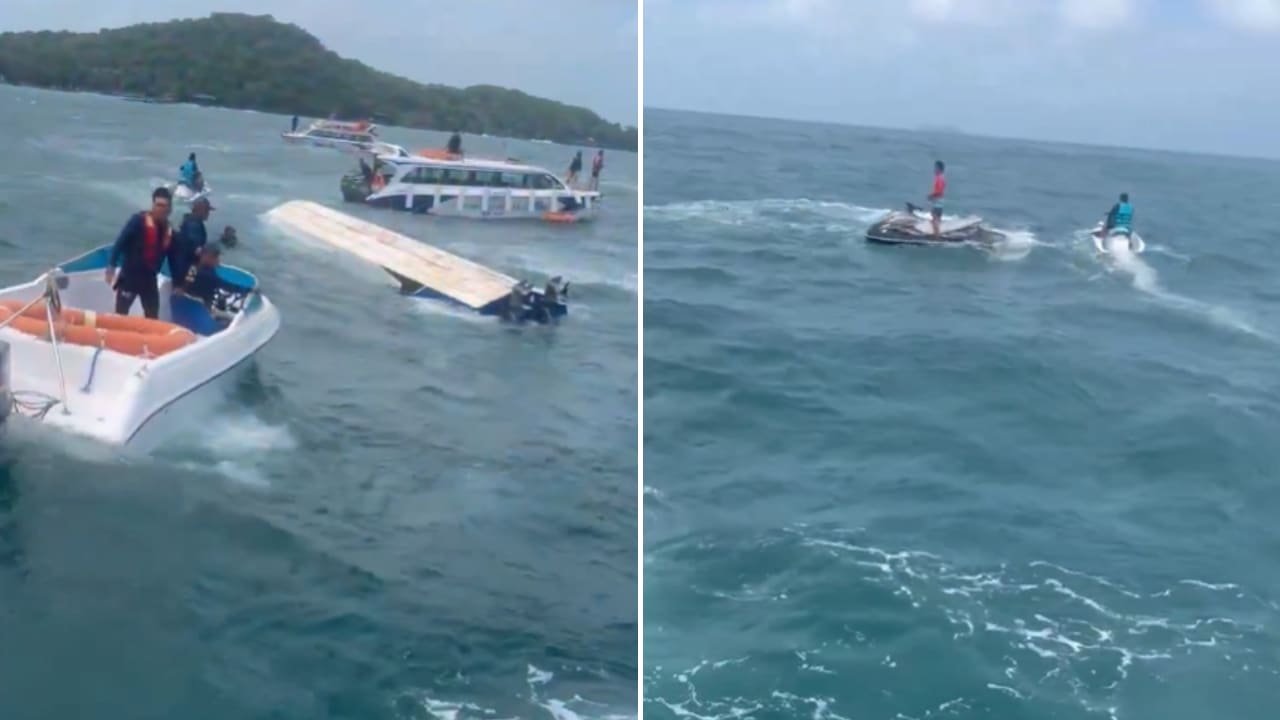
The embassy said it has set up control rooms in Ho Chi Minh City and Hanoi to assist affected families and provide information about the incident. At least 15 Indian tourists have died after a speedb...
Tragedy at Sea: Analysis of the Vietnam Speedboat Disaster
In a devastating maritime accident, at least 15 Indian tourists have perished after their speedboat capsized in the waters of Vietnam. The incident has sent shockwaves through both the Indian and Vietnamese communities, highlighting the inherent risks associated with high-speed water transport in tourist-heavy regions. As rescue operations continue, the focus has shifted toward casualty recovery and the urgent need for a comprehensive investigation into the cause of the capsize.
Diplomatic Mobilization and Crisis Management
The response from the Indian government has been swift and structured. By establishing dedicated control rooms in Ho Chi Minh City and Hanoi, the Indian embassy has created a centralized hub for crisis communication and family assistance. This diplomatic mobilization is critical not only for coordinating the repatriation of remains but also for ensuring that the legal and medical needs of survivors are met. The strategic placement of these centers in Vietnam's two largest cities suggests a coordinated effort to manage a logistical challenge involving multiple families and potentially various tour operators.
Maritime Safety and Tourism Vulnerabilities
This tragedy underscores a recurring vulnerability in the global tourism industry: the gap between the demand for high-adrenaline activities and the stringent enforcement of maritime safety standards. Speedboats, while popular for their efficiency and thrill, are susceptible to sudden capsizing due to overloading, extreme weather, or operator error. When these vessels are used for mass tourism, the risk profile increases significantly. This event will likely prompt a scrutiny of the safety certifications of the vessels used by tour agencies and whether passengers were provided with adequate life-saving equipment, such as life jackets, which are often neglected in such accidents.
The Surge of Indian Tourism in Southeast Asia
To understand the broader context, it is essential to note the recent surge in Indian travelers visiting Vietnam. Driven by affordable flight options and a growing interest in Southeast Asian culture and landscapes, Vietnam has become a premier destination for Indian tourists. While this growth is a boon for the local economy, it places immense pressure on local infrastructure and tour operators to scale their services quickly. This rapid scaling can sometimes lead to a compromise in safety protocols, as the volume of tourists outpaces the capacity for rigorous oversight.
Future Implications for Travel Regulations
Moving forward, this incident is expected to trigger a diplomatic dialogue between India and Vietnam regarding the safety of foreign nationals. We can predict a push for stricter accreditation of tour operators and mandatory safety briefings for tourists engaging in water-based activities. There may also be a call for the Vietnamese government to implement more stringent maritime patrols and mandatory safety audits for all commercial speedboats operating in tourist zones to prevent similar tragedies in the future.
Conclusion
The loss of 15 lives is a profound tragedy that serves as a grim reminder of the fragility of safety in the pursuit of leisure. While the immediate focus remains on the rescue operations and supporting the bereaved families via the embassy's control rooms, the long-term legacy of this event must be a systemic overhaul of maritime safety for tourists in the region. Only through rigorous enforcement and international cooperation can the joy of exploration be decoupled from such avoidable risks.