Indian woman in Japan takes 11 pm walk, contrasts sense of safety with India: ‘This is a very big deal’
Source Entity
Latest News: Todays Latest News Headlines from India & World | Hindustan Times | Hindustan Times
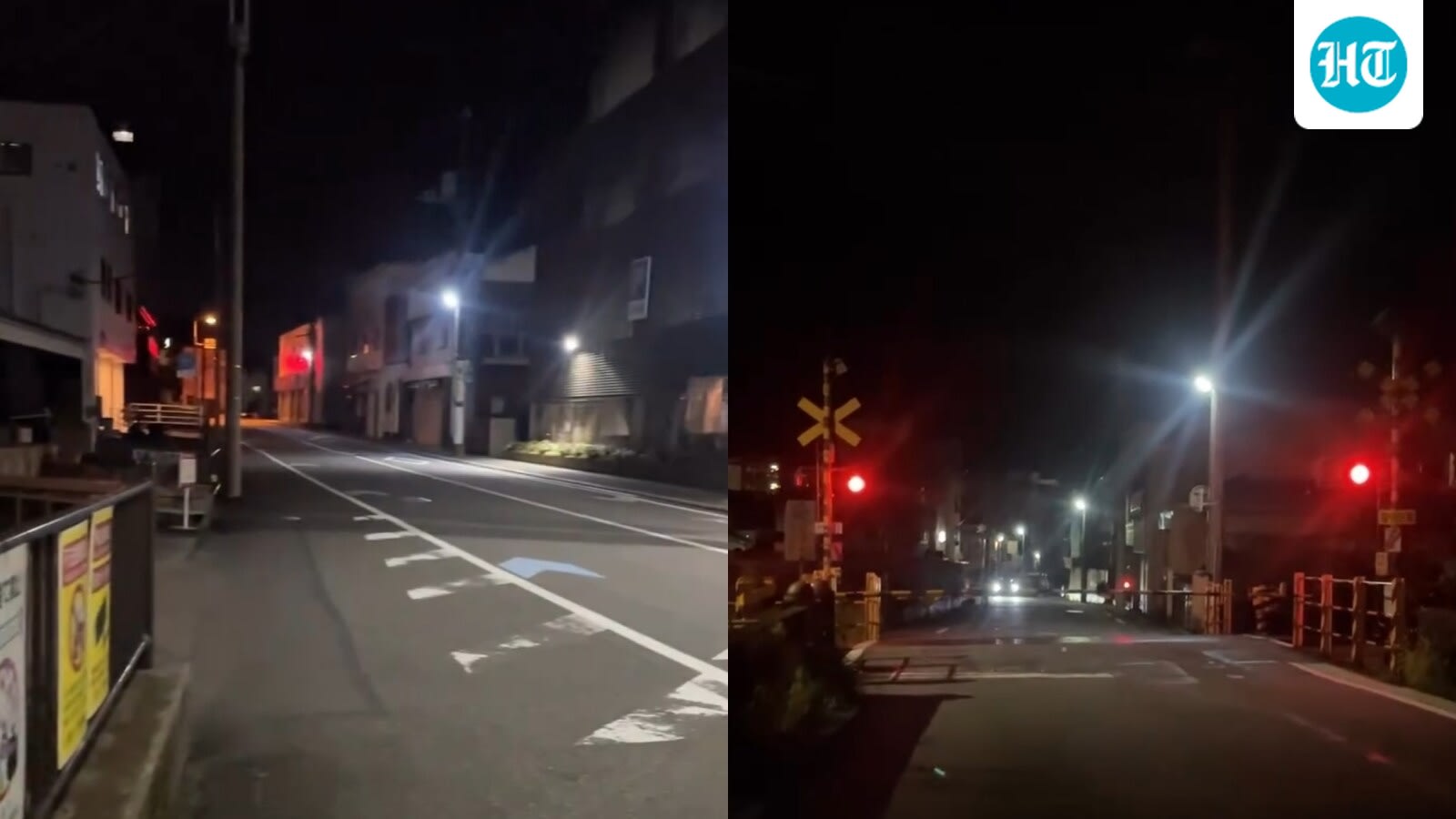
An Indian woman living in Japan has gone viral for highlighting the stark contrast in safety between the two countries. She shared her experience of walking alone at 11 pm, emphasizing how this freedom is significant compared to her life in India.
The Contrast of Public Safety: A Personal Reflection
Recent social media commentary from an Indian expatriate living in Japan has ignited a poignant conversation regarding the disparity in public safety for women across different global contexts. The individual, identified as Sheetal, utilized her platform to document a late-night walk at 11:00 pm, a mundane activity that she underscored as a significant marker of personal freedom. By contrasting her current environment in Japan with her experiences in India, she brought to the forefront the psychological weight that women often carry when navigating public spaces after dark.
The Psychological Impact of Public Safety
At the heart of Sheetal’s reflection is the concept of 'safety as a privilege.' For many women in various parts of the world, the ability to move freely without the constant, underlying anxiety of potential harassment or violence is not a guaranteed standard. Her statement that walking at 11:00 pm feels no different than walking at 11:00 am highlights how deeply ingrained vigilance becomes when one resides in an environment where safety is not consistently assured. This psychological burden is a silent barrier that restricts mobility and autonomy.
Comparing Societal Norms and Infrastructure
Japan is frequently cited in international studies for its high levels of public safety and low rates of violent crime. This is often attributed to a combination of cultural emphasis on social order, dense urban surveillance, and reliable public infrastructure. In contrast, the discourse surrounding women's safety in India has been a long-standing point of national debate. The gap highlighted by Sheetal is not merely about crime statistics but about the lived experience of women who must navigate urban environments while constantly assessing risk.
The Role of Digital Narratives in Social Discourse
Social media platforms have become essential conduits for these types of cross-cultural comparisons. By sharing her experience on Instagram, Sheetal has tapped into a broader global dialogue regarding gender equality and urban design. These personal anecdotes serve as a catalyst for discussions that go beyond individual experiences, prompting viewers to consider how city planning, social attitudes, and law enforcement influence the daily lives of women.
Broader Implications for Urban Planning
This viral moment underscores the necessity for policy-makers and urban planners to prioritize 'safety-by-design.' Whether it is through improved street lighting, efficient public transportation, or community-based policing, the goal of creating inclusive cities is essential. When women feel safe in public spaces, it fosters higher levels of participation in the workforce, nightlife, and community engagement, ultimately contributing to a more vibrant and equitable society.
Conclusion: A Call for Universal Safety
Ultimately, Sheetal’s video acts as a mirror, forcing a reflection on the status quo. While her experience is personal, it resonates with millions who aspire to live in environments where safety is a default setting rather than a luxury. As global mobility increases, these comparisons will likely continue to inform the expectations of citizens, putting pressure on governments worldwide to address the fundamental right to safety for all, regardless of time or location.
Verification Required?