Indian woman shares 'culture shock' after visiting Sri Lanka: 'Not one pothole, zero road rage'
Source Entity
Latest News: Today's Latest News Headlines from India & World | Hindustan Times | Hindustan Times
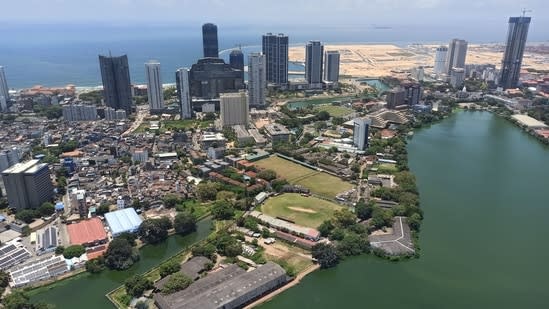
The woman praised Sri Lanka for its clean streets, courteous people, well-maintained roads and respect for public spaces.
The Ripple Effect of a Traveler's Testimony: Analyzing the 'Culture Shock' in Sri Lanka
An Indian woman's recent social media account of her visit to Sri Lanka has gone viral, highlighting a profound sense of 'culture shock' regarding the island nation's public infrastructure and social conduct. By praising the absence of potholes, the lack of road rage, and the general courtesy of the populace, the traveler has touched upon systemic differences in urban management and civic behavior between two neighboring South Asian nations. This narrative serves as more than just a travelogue; it acts as a comparative study on how public spaces are maintained and how social etiquette manifests in high-stress environments like traffic.
Infrastructure and the Perception of Governance
The specific mention of "not one pothole" points to a significant contrast in road maintenance and urban planning. In many rapidly developing economies, infrastructure often struggles to keep pace with vehicle growth, leading to the degradation of road surfaces. The visitor's observation suggests that Sri Lanka has maintained a high standard of road quality, which directly impacts the efficiency of transport and the safety of commuters. From an analytical perspective, well-maintained roads are often viewed as a proxy for effective local governance and a disciplined approach to public works, which contributes heavily to a positive first impression for international tourists.
The Psychology of Road Behavior and Civic Courtesy
Perhaps more striking than the physical infrastructure is the observation of "zero road rage." Road rage is frequently a symptom of urban stress, overcrowding, and a breakdown in civic patience. By highlighting the courteous nature of Sri Lankan drivers and pedestrians, the traveler underscores a cultural emphasis on patience and mutual respect in public spaces. This behavioral difference suggests a societal norm where the collective ease of movement is prioritized over individual aggression, contrasting sharply with the chaotic traffic dynamics often found in major Indian metropolitan hubs.
Tourism as a Tool for National Rebranding
This testimonial arrives at a critical juncture for Sri Lanka. Following a period of severe economic instability, the country has been aggressively working to rebuild its image as a safe, welcoming, and pristine destination. Positive, organic narratives from visitors—particularly those from neighboring India, which is a primary source of tourist arrivals—are invaluable. When a traveler highlights cleanliness and courtesy, it reinforces the brand of Sri Lanka as a "sanctuary" or a peaceful getaway, potentially driving an increase in high-value tourism and regional travel.
The 'Culture Shock' Dynamic in Regional Travel
The term "culture shock" is typically reserved for vast distances, but here it is applied to a neighboring country. This indicates that the perceived gap in civic discipline and infrastructure maintenance can be as jarring as a move across continents. The visitor's surprise reflects a psychological projection where the expectations of regional similarity are overturned by a reality of differing administrative priorities. This suggests that while India and Sri Lanka share deep historical and cultural ties, their contemporary approaches to public space management have diverged significantly.
Broader Implications for South Asian Urbanism
This incident prompts a broader conversation regarding urbanism in South Asia. The praise for "respect for public spaces" suggests a societal contract in Sri Lanka that encourages the preservation of the commons. For observers in India, such testimonials often spark internal debates about civic responsibility and the role of the citizen in maintaining the environment. It highlights a yearning for organized public systems and a more harmonious social interaction within urban centers, turning a simple travel post into a catalyst for civic reflection.
Conclusion: The Power of Individual Perspectives
In summary, while the traveler's experience is a subjective anecdote, it crystallizes several key strengths of the Sri Lankan visitor experience: efficient infrastructure and a polite social fabric. By focusing on the tangible (roads) and the intangible (courtesy), the narrative provides a comprehensive look at why Sri Lanka remains a competitive tourist destination. As these stories continue to circulate, they will likely influence travel trends, encouraging more regional explorers to seek out the perceived order and tranquility of the island nation.
Verification Required?