Bodies of 15 Indians killed in Vietnam boat tragedy arrive in Mumbai
Source Entity
TOI NEWS DESK
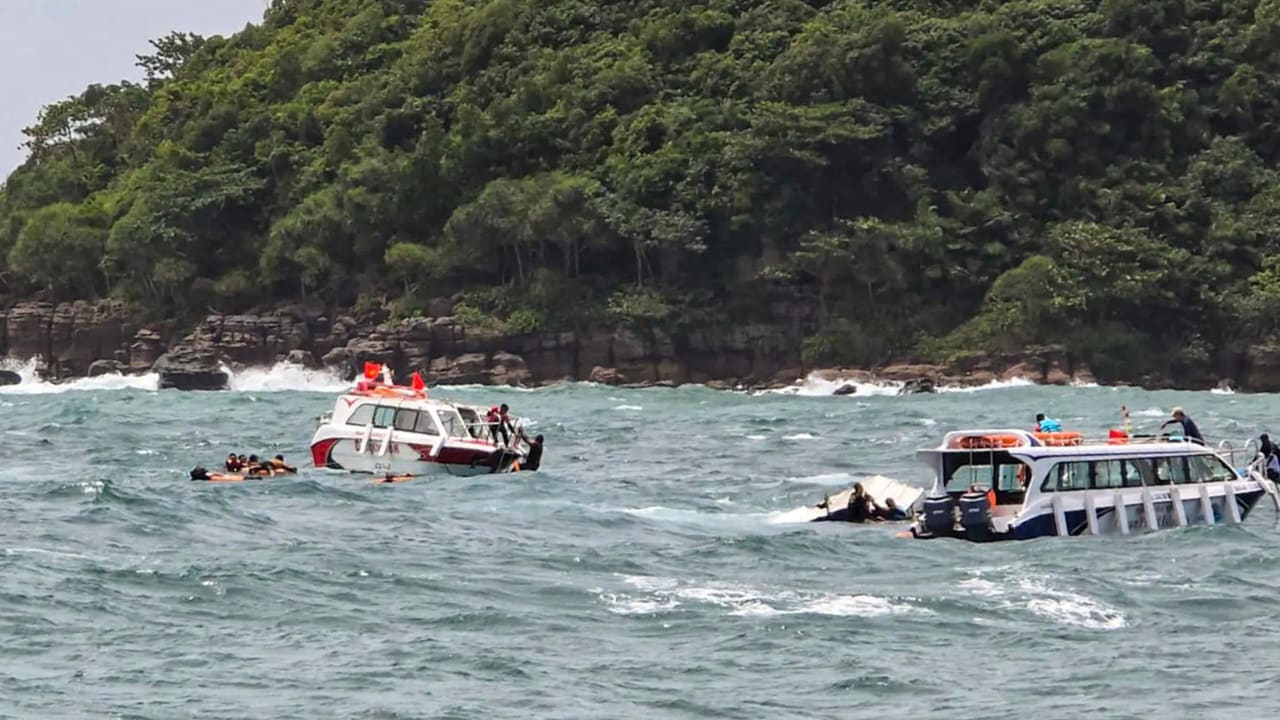
The bodies of fifteen Indian nationals killed in Vietnam's boat tragedy have arrived in Mumbai. Ten victims were from Tamil Nadu, three from Andhra Pradesh, and two from Kerala. One Indian national remains hospitalized in Phu Quoc after a medical procedure. The speedboat carrying thirty-two Indian tourists capsized near Phu Quoc Island on Friday. Vietnamese authorities have ordered an investigation into the incident and detained the operator.
Repatriation and the Aftermath of the Phu Quoc Tragedy
The arrival of the bodies of fifteen Indian nationals in Mumbai marks a somber conclusion to the immediate crisis following a devastating maritime accident in Vietnam. The victims, who were part of a group of thirty-two Indian tourists, perished when their speedboat capsized near the scenic Phu Quoc Island. This repatriation process is a critical diplomatic and humanitarian step, allowing grieving families from Tamil Nadu, Andhra Pradesh, and Kerala to begin the process of mourning and final rites. The logistics of transporting fifteen bodies across international borders underscore the scale of the tragedy and the coordinated effort required between the Indian embassy and Vietnamese authorities.
Analysis of the Incident and Victim Demographics
The demographic breakdown of the victims reveals a significant concentration of travelers from South India, with ten victims from Tamil Nadu, three from Andhra Pradesh, and two from Kerala. This suggests that the group may have been part of a coordinated tour package organized by a regional travel agency specializing in South Indian markets. The fact that thirty-two tourists were on a single speedboat raises immediate questions regarding the vessel's capacity and whether it was overloaded, a common factor in maritime accidents in tourist-heavy regions. The tragedy is further compounded by the fact that one Indian national is still battling for recovery in a Phu Quoc hospital, highlighting the physical and psychological trauma inflicted on the survivors.
Legal Accountability and Investigation
Vietnamese authorities have taken decisive initial action by ordering a comprehensive investigation and detaining the boat operator. The focus of this probe will likely center on whether safety protocols were ignored, if the vessel was seaworthy, and whether the operator possessed the necessary certifications to transport large groups of foreigners. In many emerging tourist destinations, there is often a gap between the rapid growth of tourism and the implementation of stringent safety regulations. The detention of the operator signifies a move toward accountability, as investigators determine if the capsizing was an act of nature or the result of criminal negligence.
Broader Implications for Maritime Tourism
This incident serves as a stark reminder of the inherent risks associated with high-speed water transport in international tourist hubs. Phu Quoc, known for its beauty and growing popularity, has seen a surge in visitors, but this event exposes the vulnerabilities of the local tourism infrastructure. For the Indian travel industry, this tragedy may prompt a re-evaluation of how tour operators vet local vendors in Southeast Asia. There is an urgent need for standardized safety audits and the mandatory use of life-saving equipment, such as life jackets, which are often neglected in short-duration tourist excursions.
The Rise of Vietnam as a Destination for Indians
Historically, Vietnamese tourism has seen a sharp uptick among Indian travelers due to favorable visa policies and the growing appeal of East Asian culture and landscapes. However, as the volume of tourists increases, the pressure on local transport systems grows. This tragedy highlights a critical intersection between the boom in international travel and the necessity for rigorous safety oversight. The event will likely lead to calls for the Indian Ministry of External Affairs to issue stronger travel advisories regarding the use of unregulated local transport in foreign jurisdictions to prevent similar occurrences in the future.
Conclusion and Future Outlook
In summary, the Vietnam boat tragedy is a heartbreaking event that has left fifteen families devastated and a community in shock. While the repatriation of the bodies to Mumbai provides a necessary closure to the physical recovery phase, the quest for justice continues through the Vietnamese legal system. The outcome of the investigation into the operator's conduct will be pivotal in determining whether this was an avoidable accident. Moving forward, the synergy between tourism growth and safety regulation must be prioritized to ensure that the allure of global exploration does not come at the cost of human life.