Goa-Delhi IndiGo flight makes emergency landing in Goa after engine snag
Source Entity
The Indian Express
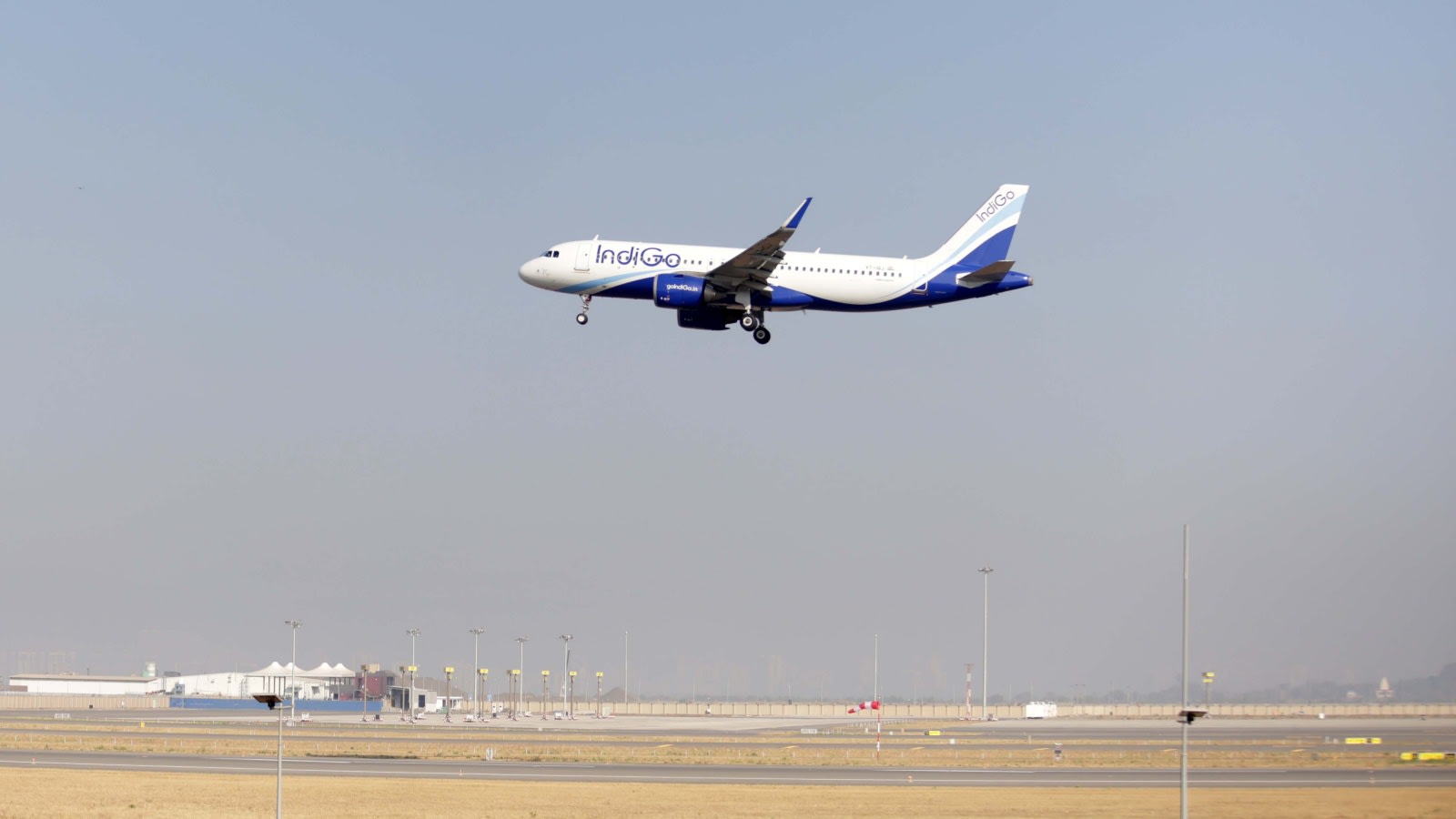
An IndiGo flight carrying 229 passengers from Goa to Delhi made an emergency landing at Manohar International Airport shortly after takeoff due to an engine snag. All passengers were reported safe and were scheduled for alternative travel to their destination.
Emergency Landing of IndiGo Flight 6E 2102: A Safety Overview
On Tuesday morning, a routine flight operation turned into a critical safety event when an IndiGo aircraft, bound for Delhi from Goa’s Manohar International Airport, was forced to return shortly after departure. Carrying 229 passengers, the flight encountered a technical discrepancy involving one of its engines, necessitating an immediate emergency landing to ensure the safety of all individuals on board.
The Sequence of Events
According to reports, the flight, identified as 6E 2102, departed from the Mopa airport at approximately 9:16 am. Within ten minutes of takeoff, the crew identified a technical issue. Recognizing the severity of an engine-related snag, the pilots declared a full emergency at 9:25 am. The aircraft successfully landed back at the Manohar International Airport at 9:50 am, demonstrating the effectiveness of standard aviation emergency protocols.
Immediate Safety and Operational Response
The primary focus of airline and airport authorities during such incidents is the swift and safe deplaning of passengers. Officials confirmed that all 229 passengers remained safe throughout the ordeal. Following the successful landing, the aircraft was grounded to undergo rigorous maintenance checks to diagnose the exact nature of the engine failure. IndiGo management coordinated efforts to arrange an alternative flight, ensuring that passengers reached Delhi later in the afternoon.
Aviation Safety and Maintenance Standards
Incidents involving engine snags, while alarming, are handled through strict safety management systems (SMS). Aviation regulations mandate that any technical irregularity—particularly those involving power plants—must result in an immediate return to the nearest suitable airport. This event underscores the industry's 'safety-first' culture, where the decision to turn back is prioritized over schedule adherence to mitigate any potential risk to the airframe or its occupants.
Broader Implications for Airline Reliability
For passengers, an emergency landing can be a distressing experience, yet it serves as a testament to the rigorous training pilots undergo to handle non-normal procedures. As IndiGo continues to be a major player in the Indian aviation sector, the handling of such incidents is closely monitored by aviation authorities. Future trends in the sector suggest that as fleet sizes grow, the emphasis on predictive maintenance and real-time engine health monitoring will become even more critical to prevent mid-air technical failures.
Conclusion
While the engine failure on flight 6E 2102 caused significant disruption to the passengers' travel plans, the successful emergency landing highlights the competence of the flight crew and the robustness of the safety infrastructure at Manohar International Airport. As the investigation into the specific technical snag continues, the incident serves as a reminder of the inherent complexities of modern commercial aviation and the constant vigilance required to maintain high safety standards.
Multiple Citing Sources