'Engineer Knew Of Foul, Black Water, Did Not Alert": Report On Indore Deaths
Source Entity
NDTV News Search Records Found 1000
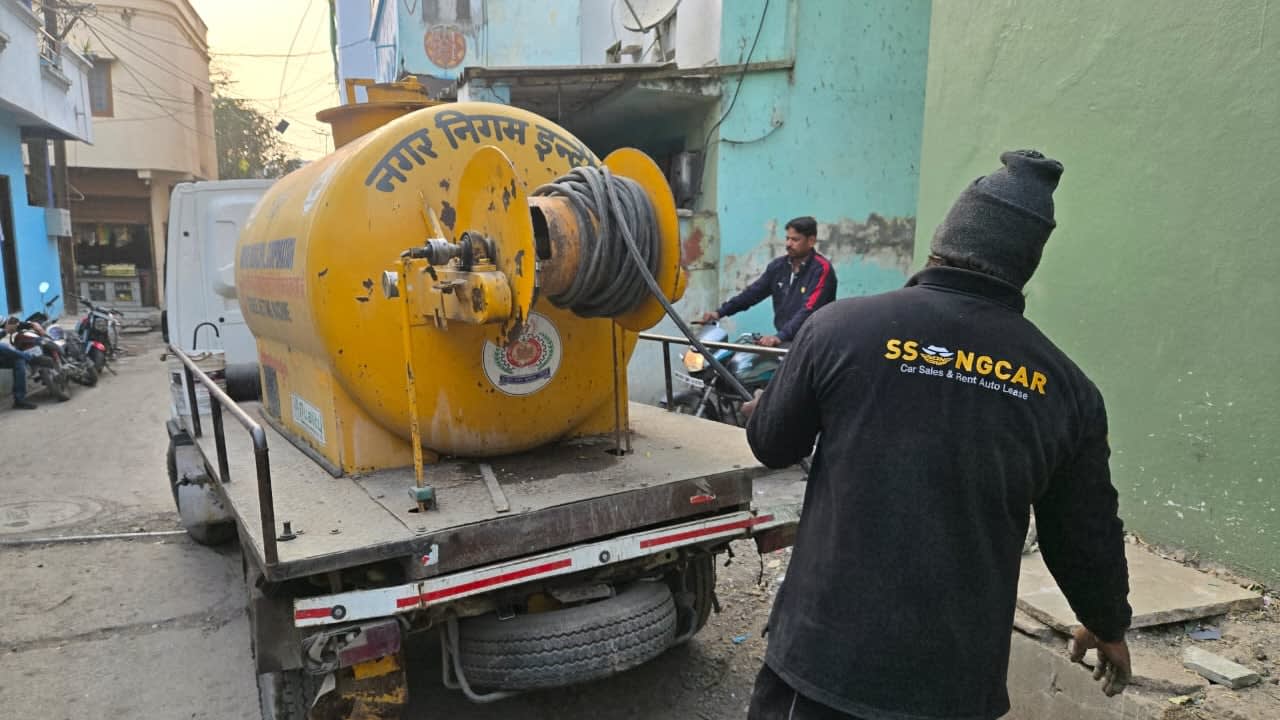
A judicial commission report has linked 35 deaths in Indore's Bhagirathpura to long-term sewage contamination of the water supply. While two former municipal chiefs were cleared of direct blame, the report highlighted systemic failures and the suspicious disappearance of critical documents.
The Bhagirathpura Tragedy: A Systemic Failure
The judicial inquiry into the Bhagirathpura water contamination incident, which tragically claimed at least 35 lives, has exposed a harrowing reality of urban infrastructure neglect. Retired judge Sushil Kumar Gupta’s report highlights that the disaster was not a singular event but the culmination of decades of systemic decay. By allowing sewage to permeate the drinking-water network due to defective pipelines and advanced deterioration, the municipal authorities failed in their most basic duty to provide safe, potable water to residents.
Accountability and the 'Clean Chit' Controversy
A central point of contention in the commission’s findings is the exoneration of former Indore Municipal Corporation (IMC) commissioners Dilip Kumar Yadav and Shivam Verma. While the commission opted to grant them a clean chit, citing that the tragedy resulted from cumulative failures rather than individual negligence, this conclusion has sparked debate regarding administrative accountability. The findings suggest that the rot within the pipeline infrastructure was so deeply embedded over time that pinning responsibility on specific high-ranking officials proved legally difficult under the scope of the inquiry.
The Role of Human Negligence
The report specifically singles out the role of local engineering oversight, noting that an engineer on the ground was aware of the presence of "foul, black water" in the system but failed to sound the alarm. This specific instance of inaction serves as a grim case study in professional negligence. Had this warning been heeded and acted upon immediately, the contamination could potentially have been contained, preventing the subsequent loss of life that devastated the Bhagirathpura community.
The Mystery of Missing Evidence
Perhaps the most alarming revelation from the judicial commission is the acknowledgment that crucial documents pertaining to the maintenance and oversight of the water network have disappeared. The commission has formally red-flagged this development, suggesting that a separate, dedicated investigation is required to determine if these documents were intentionally destroyed or misplaced to obstruct justice. This disappearance adds a layer of suspicion to the administrative handling of the crisis and suggests a potential cover-up of the negligence that led to the pipe failures.
Broader Implications for Urban Governance
This incident serves as a cautionary tale for rapidly urbanizing centers across India, where legacy infrastructure often struggles to keep pace with population density. The Bhagirathpura case highlights the urgent need for structural audits and the modernization of aging water networks. When basic utility management is compromised by decaying pipes and poor oversight, the result is a public health catastrophe. Moving forward, the mandate for municipal bodies must shift from reactive crisis management to proactive, transparent maintenance protocols.
Conclusion and Future Outlook
The findings submitted to the Madhya Pradesh High Court underscore a tragic intersection of administrative failure, engineering apathy, and systemic decay. While the commission has closed the chapter on the specific responsibility of certain officials, the call for a separate investigation into the missing records remains a critical lingering issue. For the residents of Bhagirathpura, the report provides a somber validation of their suffering, emphasizing that infrastructure safety is not merely a bureaucratic task, but a life-or-death necessity in modern urban planning.
Verification Required?