Infantino set for fourth FIFA term despite Balogun controversy & IOC complaint over Trump ties: Reports
Source Entity
The Indian Express
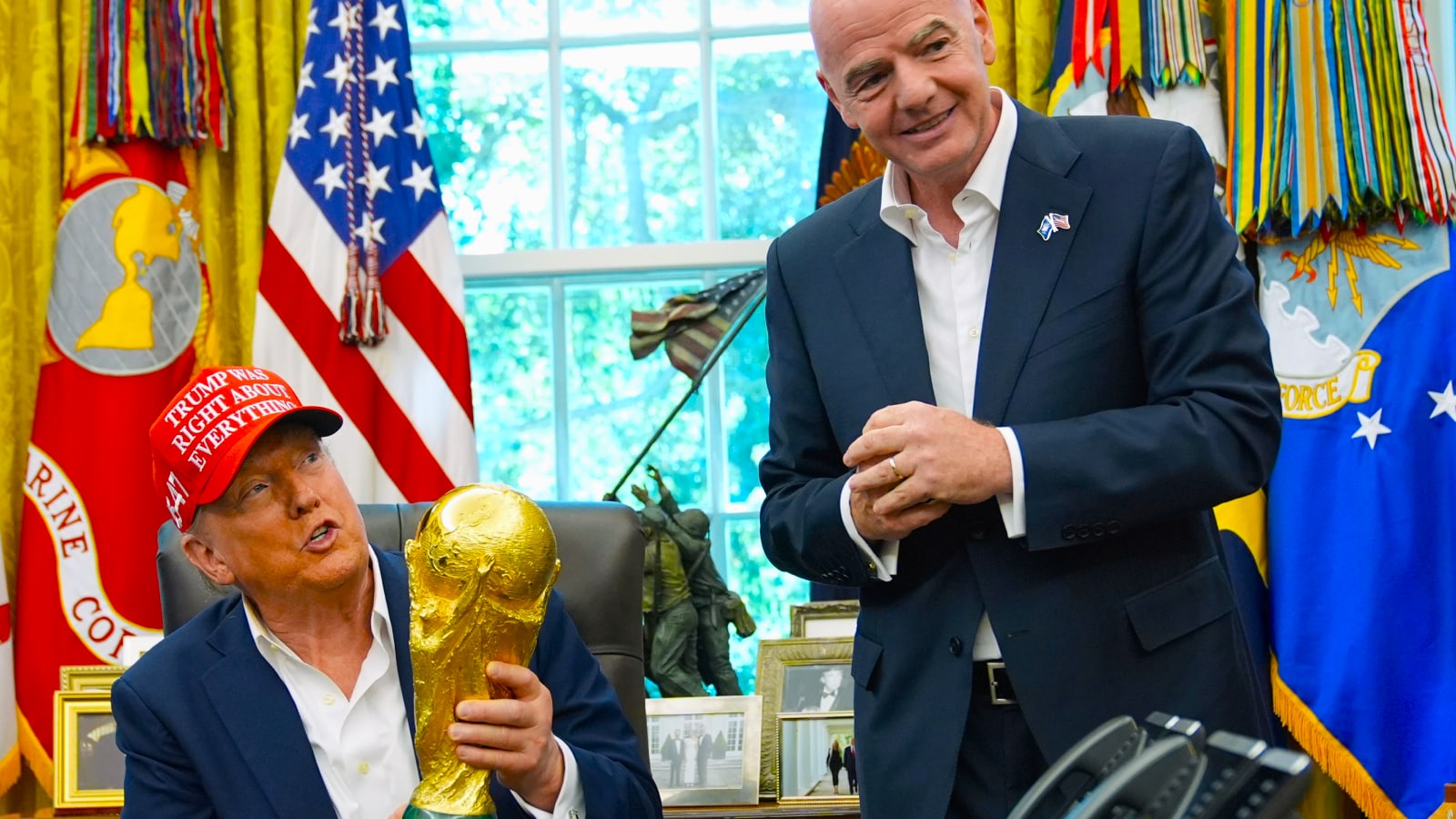
FIFA President Gianni Infantino is poised for a fourth term with overwhelming support from over 200 member associations. Despite rising scrutiny regarding political alignments and internal controversies, his re-election remains functionally secured.
The Unchallenged Path: Infantino’s Fourth Term
FIFA President Gianni Infantino is currently positioned to secure a fourth term in office, maintaining a grip on global football governance that appears largely unshakable. Despite a backdrop of mounting external criticism and internal dissent, reports indicate that over 200 of FIFA’s 211 member associations have already pledged their support for his re-election. This level of consensus suggests that, regardless of individual controversies, the structural support for the current leadership remains deeply entrenched within the organization's global apparatus.
The Dynamics of Global Support
The consolidation of power around Infantino highlights the complex political economy of modern sports administration. While the German Football Association (DFB) has emerged as a prominent holdout, representing a rare fissure in the otherwise unified European voting bloc, the vast majority of nations have signaled their approval. The English FA's decision to submit a letter of support underscores the pragmatic reality that most federations prioritize stability and the continued distribution of FIFA development funds over ideological alignment with dissident voices.
Navigating Controversy and Political Optics
Infantino’s tenure has been marked by significant scrutiny regarding his political associations. The recent controversy involving Leon Balogun, coupled with reported complaints from the International Olympic Committee (IOC) regarding the nature of his ties to U.S. President Donald Trump, highlights the risks inherent in blending sports diplomacy with partisan politics. The image of the FIFA President alongside President Trump in the Oval Office serves as a lightning rod for critics who argue that such optics compromise the perceived neutrality of international governing bodies.
Institutional Resilience vs. External Pressure
The persistence of these controversies has not yet translated into a tangible challenge to Infantino’s leadership. In the context of international sports, "overwhelming support" acts as a firewall against external criticism. Even when individual national federations express reservations, the sheer volume of institutional backing provides a buffer that prevents these grievances from coalescing into a formal electoral threat. This pattern reflects a broader trend in global sports where incumbency often supersedes reformist agendas.
Looking Toward the Future of FIFA
As Infantino moves toward his fourth term, the primary challenge will be balancing the demands of his diverse member base with the need to maintain institutional legitimacy. The friction with nations like Germany suggests that while his re-election is assured, the ideological divide within European football could grow. Future trends will likely see FIFA attempting to navigate increasingly polarized geopolitical landscapes, where the organization must manage its relationships with world leaders without alienating its core stakeholders or inviting further scrutiny from organizations like the IOC.
Conclusion
In summary, Gianni Infantino’s path to a fourth term is characterized by overwhelming institutional momentum. While controversies regarding his political ties and specific personnel disputes have generated headlines, they have failed to disrupt the underlying consensus among FIFA’s member associations. As the organization moves forward, it will continue to face the challenge of reconciling its global reach with the evolving expectations of transparency and neutrality in international sports.