Pushing the limits: Infinite Machine's Olto is barely a bicycle
Source Entity
John Timmer
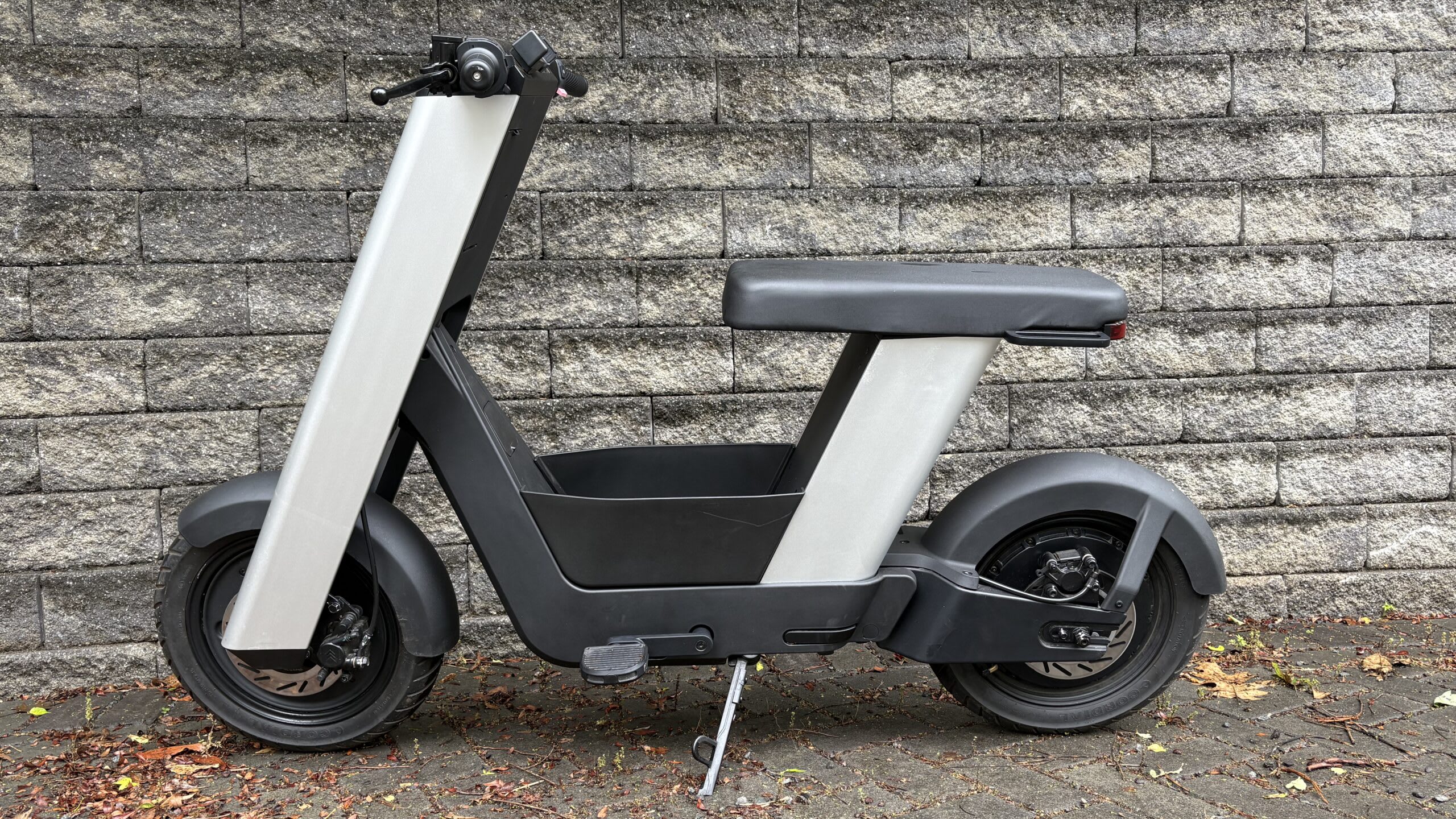
The Infinite Machine Olto is an electric scooter designed with a Vespa-inspired aesthetic that technically qualifies as an e-bike. While it features pedals, the design prioritizes scooter-style performance, making it inefficient for manual pedaling.
The Hybrid Paradox: Analyzing the Infinite Machine Olto
The electric mobility market has seen a surge in creative engineering, but the Infinite Machine Olto represents a unique, albeit polarizing, entry. By blending the form factor of a classic, sturdy scooter with the mechanical requirements of an electric bicycle, the Olto attempts to bridge two distinct transportation categories. While it succeeds as a functional electric scooter, its identity as a bicycle remains a matter of regulatory technicality rather than practical utility.
Design Philosophy and Performance
At its core, the Olto is built for comfort and durability. Its aesthetic, which heavily borrows from the iconic Vespa silhouette, offers a sense of nostalgia paired with modern utility. The vehicle excels in acceleration and handling, making it a viable urban commuter. Furthermore, the inclusion of a capacious battery ensures that riders can cover significant distances, while its rugged construction and integrated security features address the primary concerns of city dwellers who need to park their vehicles in high-traffic, public spaces.
The Pedaling Dilemma
Despite its classification as a Class 2 or Class 3 e-bike, the Olto is fundamentally ill-suited for traditional cycling. The physical layout—positioned as a scooter—makes the act of pedaling an ergonomically awkward and inefficient experience. The design team clearly recognized this, as the pedals are intended to be locked in a forward position to serve as footrests. This design choice highlights a recurring trend in modern mobility where manufacturers prioritize motor-assisted propulsion over human-powered movement.
Strategic Market Positioning
One of the most compelling aspects of the Olto is its price point. By offering a vehicle that provides the performance of a scooter at less than half the cost of Infinite Machine’s P1 model, the company is positioning the Olto as an accessible entry point into electric transport. By leveraging the e-bike regulatory loophole, Infinite Machine manages to deliver scooter-like performance to a wider demographic, potentially bypassing stricter vehicle registration requirements in certain jurisdictions.
Broader Implications for Urban Mobility
The Olto forces a conversation about the blurring lines between electric bicycles and light electric motorcycles. As cities become more congested, the demand for compact, efficient transport has led to these hybrid designs. However, the Olto serves as a reminder that labeling a vehicle as a 'bicycle' for regulatory purposes does not always translate to a 'bicycle' experience for the user. As urban infrastructure continues to evolve, we can expect to see more of these 'scoot-bikes' that prioritize motor power while maintaining a pedal-driven legal status.
Future Trends in Hybrid Transit
Looking ahead, the success of the Olto could signal a shift in how manufacturers approach vehicle design. If consumers prioritize the comfort and security of a scooter but desire the legal flexibility of an e-bike, we may see an influx of similar hybrid designs. However, the challenge for future iterations will be to make the pedaling experience more than just an afterthought, ensuring that these machines remain functional alternatives even when the battery runs dry.