Insta360 conquered 360 cameras — now it’s eyeing glasses
Source Entity
Sean Hollister
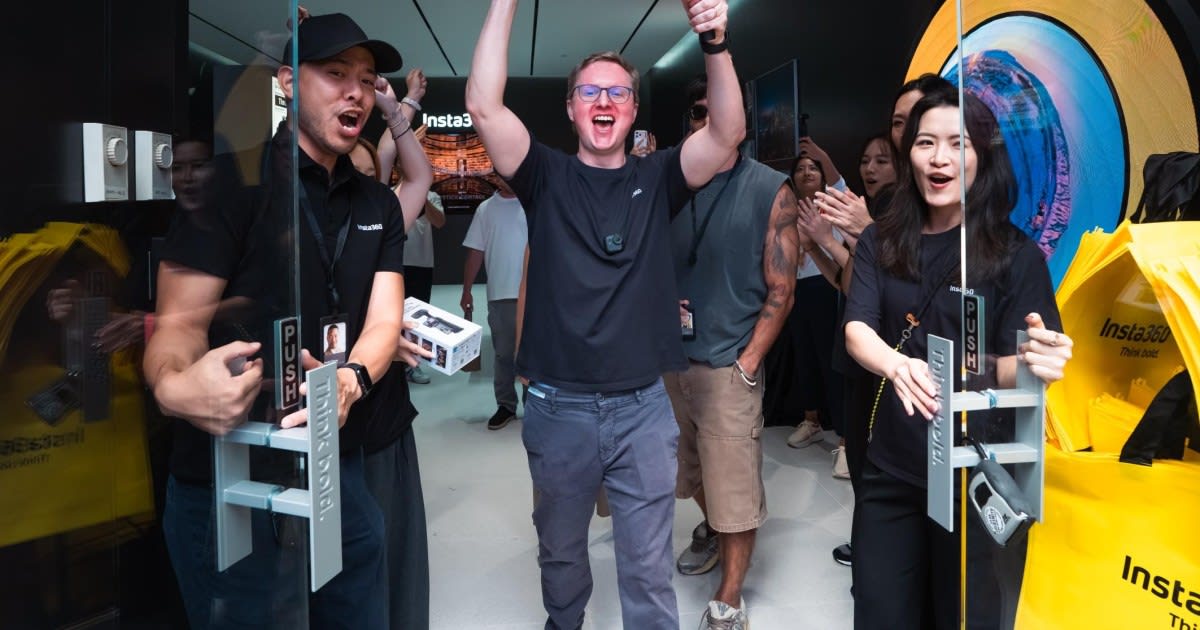
Insta360, currently holding 73% of the 360-degree camera market, is expanding its ambitions beyond specialized action cameras. The company plans to challenge industry giants like Canon and Sony by developing mirrorless cameras and smart glasses.
The Evolution of Insta360: From Niche Leader to Tech Titan
Insta360, known formally as Arashi Vision or Shadow Stone, has successfully carved out a dominant position in the imaging market. By specializing in 360-degree cameras—devices that record all angles simultaneously to allow for post-capture framing—the company has secured a staggering 73 percent of the worldwide market share. This technical proficiency has made them synonymous with the medium, effectively turning a niche format into a mainstream hobbyist tool.
Scaling Beyond the 360-Degree Niche
As the company celebrates the sale of its 10 millionth unit and the opening of its first US flagship store in New York City’s Times Square, the strategic focus is shifting. Co-founder Max Richter has articulated a vision that extends far beyond the hemispherical lenses that defined their early success. The company is now positioning itself to challenge traditional photography juggernauts, including Canon, Sony, Nikon, and Fujifilm, with the goal of becoming a comprehensive imaging and technology powerhouse.
Strategic Expansion into Mirrorless and Smart Glasses
To achieve this, Insta360 is moving into the development of mirrorless cameras and, more notably, experimental smart glasses. This represents a significant pivot in their R&D efforts. While the company is not currently looking to replicate the specific approach of Meta’s AI glasses, their interest in wearable optics suggests they are looking at the future of visual capture through a more integrated, hardware-centric lens.
Broader Market Implications
The transition from a specialized camera manufacturer to a broader tech company carries significant weight. For years, the mirrorless camera market has been dominated by legacy brands that rely on decades of optical engineering expertise. Insta360’s entry into this space indicates a belief that their computational photography software and unique form-factor design can disrupt established workflows and hardware standards.
Future Trends and Outlook
As Insta360 continues to scale, the industry will be watching to see how their software-heavy approach to hardware integration fares against companies with deeper historical roots in lens manufacturing. The push into smart glasses, in particular, signals an alignment with the industry-wide trend of integrating imaging capabilities into wearable devices. If successful, Insta360 may well evolve from a camera company into a central player in the next generation of personal tech devices, fundamentally changing how consumers capture and interact with their environment.