International Self-Care Day: Can spirituality improve emotional well-being?
Source Entity
Latest News: Todays Latest News Headlines from India & World | Hindustan Times | Hindustan Times
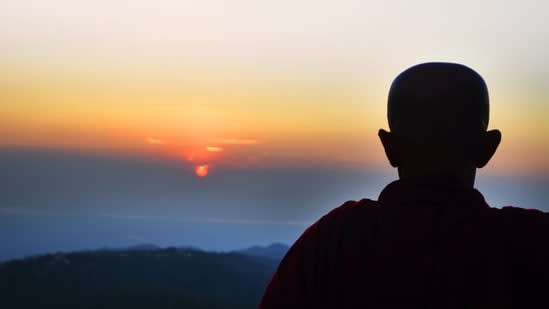
International Self-Care Day highlights the importance of small, daily habits over luxury rituals for mental well-being. Experts emphasize that practices like meditation and silence are effective, preventative tools for managing stress.
Redefining Self-Care: Beyond the Aesthetics
International Self-Care Day serves as a crucial reminder to shift our perspective on what it means to look after our mental and physical health. While modern social media trends often equate self-care with luxury spa days, expensive skincare routines, or elaborate weekend getaways, experts argue that these portrayals often create more pressure than peace. True self-care is not a commodity to be purchased; rather, it is a sustainable, daily practice that fits into the rhythm of a busy life.
The Power of Small, Intentional Habits
One of the most persistent myths surrounding wellness is the idea that it requires hours of dedicated time. However, research suggests that small, intentional moments are far more effective for long-term emotional regulation. By dedicating just a few minutes each day to mindfulness or silence, individuals can build a foundation of calm that helps them navigate life’s stressors. This approach moves away from the 'all-or-nothing' mentality that often leads to failure in maintaining healthy habits.
Meditation as a Proven Tool
Meditation, a practice spanning thousands of years across diverse cultures and faiths, has emerged as a cornerstone of contemporary self-care. According to the Mayo Clinic, meditation is not merely a spiritual exercise but a functional tool that helps people relax, reduce cortisol levels, and improve overall emotional well-being. By integrating these ancient techniques into modern routines, individuals can access a practical method to manage everyday stress effectively.
Spirituality and the Search for Meaning
Beyond stress reduction, many find that spiritual practices—such as prayer or intentional silence—provide a profound sense of purpose and connection. This sense of belonging and meaning is a vital, often overlooked component of mental health. When individuals connect with something larger than themselves, they often report improved resilience, which serves as a protective buffer against the inevitable challenges of daily life.
Prevention Over Recovery
Perhaps the most significant insight from health experts is the shift toward viewing self-care as prevention rather than recovery. Waiting until one is completely burnt out to implement self-care is akin to waiting for a car to break down before scheduling maintenance. By treating self-care as a proactive, daily necessity, individuals can prevent the onset of severe exhaustion and maintain a higher baseline of emotional health throughout the year.
Future Trends in Wellness
As we look forward, the trend in self-care is clearly moving toward accessibility and simplicity. The realization that effective wellness does not require expensive gadgets or hours of leisure time is empowering a broader demographic to take charge of their mental health. Future wellness strategies will likely continue to emphasize these accessible, evidence-based practices, ensuring that self-care remains a sustainable practice for everyone, regardless of their schedule or resources.
Multiple Citing Sources
Verification Required?