Why IOC won't investigate Infantino over Trump's role in Balogun red-card controversy
Source Entity
TOI SPORTS DESK
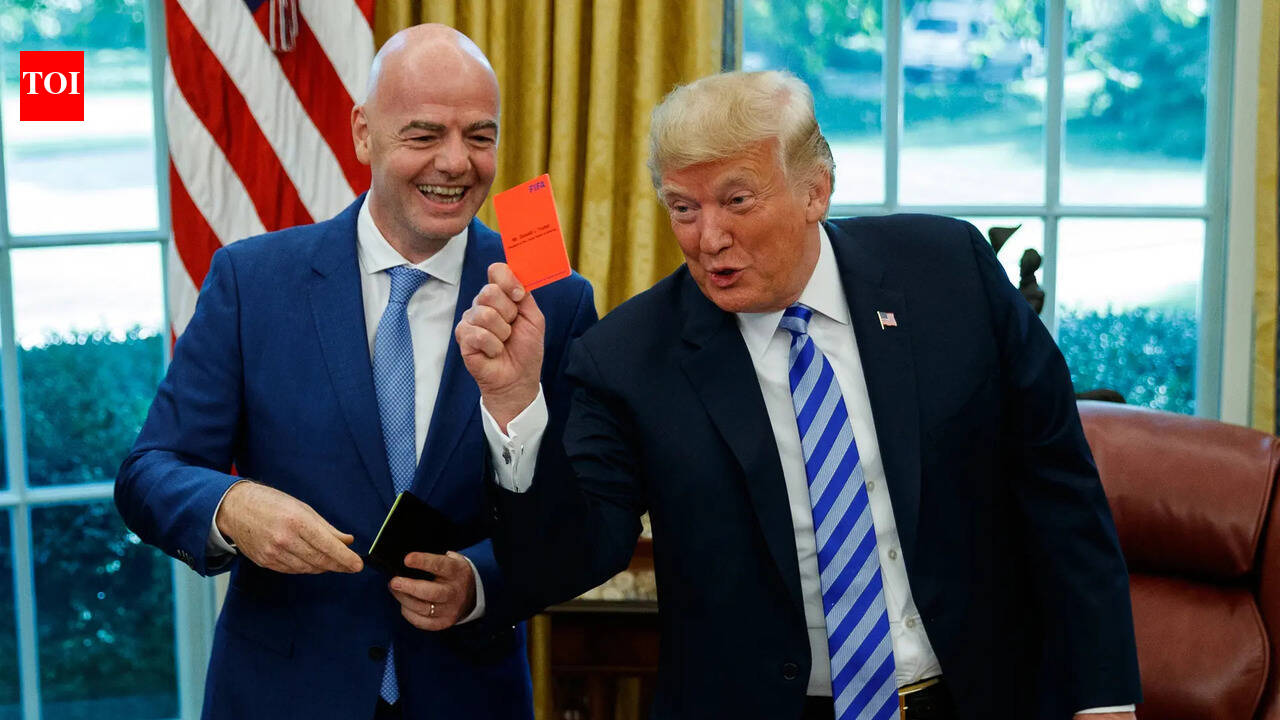
The IOC has declined to investigate FIFA President Gianni Infantino regarding Donald Trump's intervention in Folarin Balogun's red-card suspension. The committee cited a lack of jurisdiction over FIFA's internal governance, while Norway's Football Federation considers further action.
The IOC Declines Jurisdiction in FIFA Governance Controversy
The International Olympic Committee (IOC) has formally declined to launch an investigation into FIFA President Gianni Infantino following allegations of political interference in the recent World Cup. The controversy centers on the suspension of United States forward Folarin Balogun, who had been issued a red card in a prior match. Reports indicate that US President Donald Trump intervened to ensure Balogun remained eligible for the hosts' Round of 16 clash against Belgium, a move that prompted a London-based NGO to file a formal complaint with the IOC ethics commission regarding Infantino’s alleged lack of political neutrality.
The Jurisdictional Boundary
The IOC’s refusal to act is rooted in the distinct separation of powers between various international sporting bodies. By stating that it lacks jurisdiction over FIFA's internal governance matters, the IOC is reinforcing the principle of autonomy that governs independent sports federations. While the Olympic Charter maintains strict guidelines on political neutrality, those rules primarily apply to Olympic-sanctioned events and affiliated national committees. Because the FIFA World Cup operates under FIFA’s own regulatory framework, the IOC maintains that it has no legal standing to adjudicate on how FIFA manages its disciplinary procedures or its interactions with heads of state.
Political Intervention in Global Sports
Donald Trump’s admission of involvement in the reversal of Balogun's suspension raises significant questions about the intersection of geopolitics and professional athletics. Traditionally, international sports bodies strive to maintain a firewall between government officials and match officiating to preserve the integrity of the game. When a head of state influences a decision that should theoretically rest with independent disciplinary committees, it creates a precedent that threatens the perceived fairness of the tournament. This specific incident highlights how high-stakes events like the World Cup are increasingly susceptible to the pressures of national politics, especially when the host nation is involved.
The Role of FIFA's Ethics Governance
FIFA currently faces internal pressure to address the transparency of its decision-making processes. As the governing body for global football, FIFA is responsible for its own ethics committee, which is tasked with ensuring that political influence does not compromise the rules of play. To date, FIFA has not released a formal comment regarding the complaints lodged against Infantino or the specific circumstances surrounding the reversal of Balogun’s suspension. This silence has fueled speculation regarding the influence exerted by political actors over FIFA's executive leadership.
Future Implications and Potential Recourse
While the IOC has bowed out of the investigation, the matter may not be settled. The Football Association of Norway has signaled that it is considering filing its own ethics complaint against Infantino. This move suggests that individual member associations are becoming increasingly emboldened to challenge the status quo within FIFA. If more national federations join this push for accountability, it could force a deeper audit of how FIFA handles political pressure. The trend toward greater transparency in sports governance suggests that the days of quiet, behind-the-scenes negotiations between political leaders and sports executives may be coming to an end, as stakeholders demand higher standards of integrity from global governing bodies.
Multiple Citing Sources