No IOC scrutiny for Infantino over Trump’s intervention at FIFA World Cup
Source Entity
The Indian Express
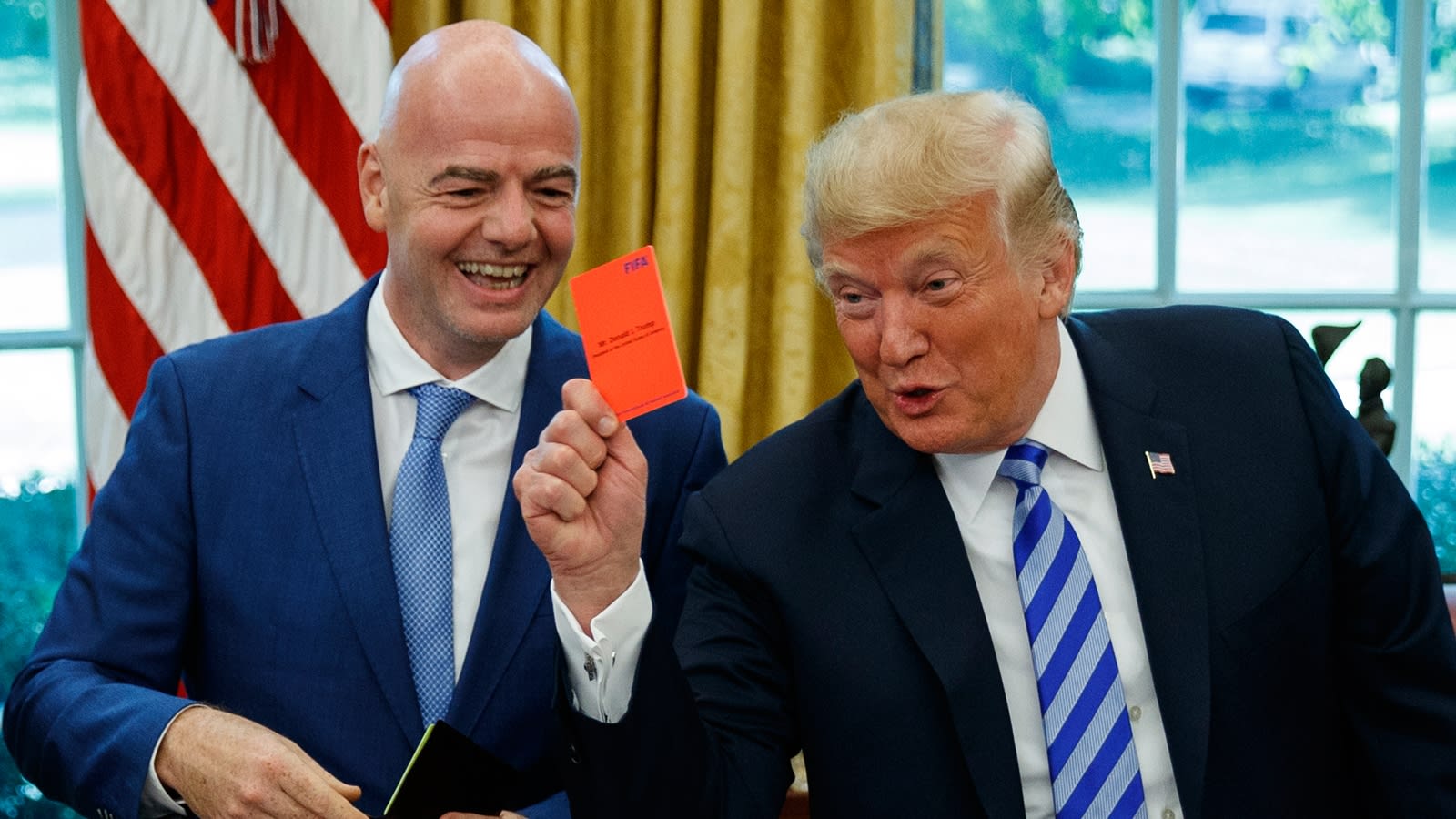
The IOC has declined to investigate FIFA President Gianni Infantino regarding allegations of political interference by Donald Trump in a World Cup match. The committee cited a lack of jurisdiction over FIFA's internal governance, leaving the controversy to potentially be addressed by other football governing bodies.
The FIFA-IOC Jurisdictional Standoff
The decision by the International Olympic Committee (IOC) to decline an investigation into FIFA President Gianni Infantino marks a significant moment in the governance of international sports. At the center of this controversy is the admission by US President Donald Trump that he intervened to overturn a red-card suspension for American forward Folarin Balogun. This intervention allegedly allowed Balogun to participate in the hosts' round of 16 match against Belgium, sparking accusations of political interference in a sporting event.
The Limits of IOC Authority
The IOC's refusal to act is rooted strictly in the boundaries of its jurisdictional power. By stating that the decisions made during the FIFA World Cup fall outside its purview, the Olympic body has effectively signaled that FIFA operates as an autonomous entity. This highlights a broader trend in international sports administration where individual governing bodies maintain sovereignty over their internal disciplinary procedures, often insulating their leadership from external ethical oversight by broader umbrella organizations like the IOC.
Political Neutrality and Ethical Concerns
At the heart of the formal complaint lodged by a London-based NGO is the question of political neutrality. The involvement of a head of state in the overturning of a player's suspension challenges the fundamental principle of fair play and institutional independence. If a president can influence the outcome of disciplinary protocols, it threatens to undermine the perceived integrity of the sport. The IOC's dismissal of the complaint based on jurisdiction does not necessarily exonerate the actions taken, but rather clarifies that the ethics commission of the IOC is not the appropriate venue for adjudicating FIFA's internal affairs.
The Role of National Federations
As the IOC steps back, the burden of scrutiny appears to be shifting toward national football federations. Reports indicate that Norway's Football Federation is actively considering filing its own ethics complaint against Infantino. This move suggests that the international football community is far from satisfied with the status quo. If national bodies begin to challenge FIFA's internal governance, it could lead to a fragmented approach to ethics enforcement, where individual nations apply pressure to ensure that political influence does not compromise the rules of the game.
Future Implications for FIFA Governance
This incident serves as a critical case study for the future of sports governance. As FIFA continues to hold major global events in politically charged environments, the pressure to maintain absolute autonomy from political leaders will only intensify. FIFA's silence thus far on the matter leaves a vacuum in leadership that risks eroding trust among fans and member nations. Moving forward, the organization will likely face mounting pressure to formalize its ethical review processes to ensure that decisions regarding player eligibility remain strictly within the confines of sports regulations, free from the influence of external political actors.