Mojtaba shocks Trump with new 'funding' plan: USA's biggest financial rival, now Iran's cash cow?
Source Entity
Latest News: Todays Latest News Headlines from India & World | Hindustan Times | Hindustan Times
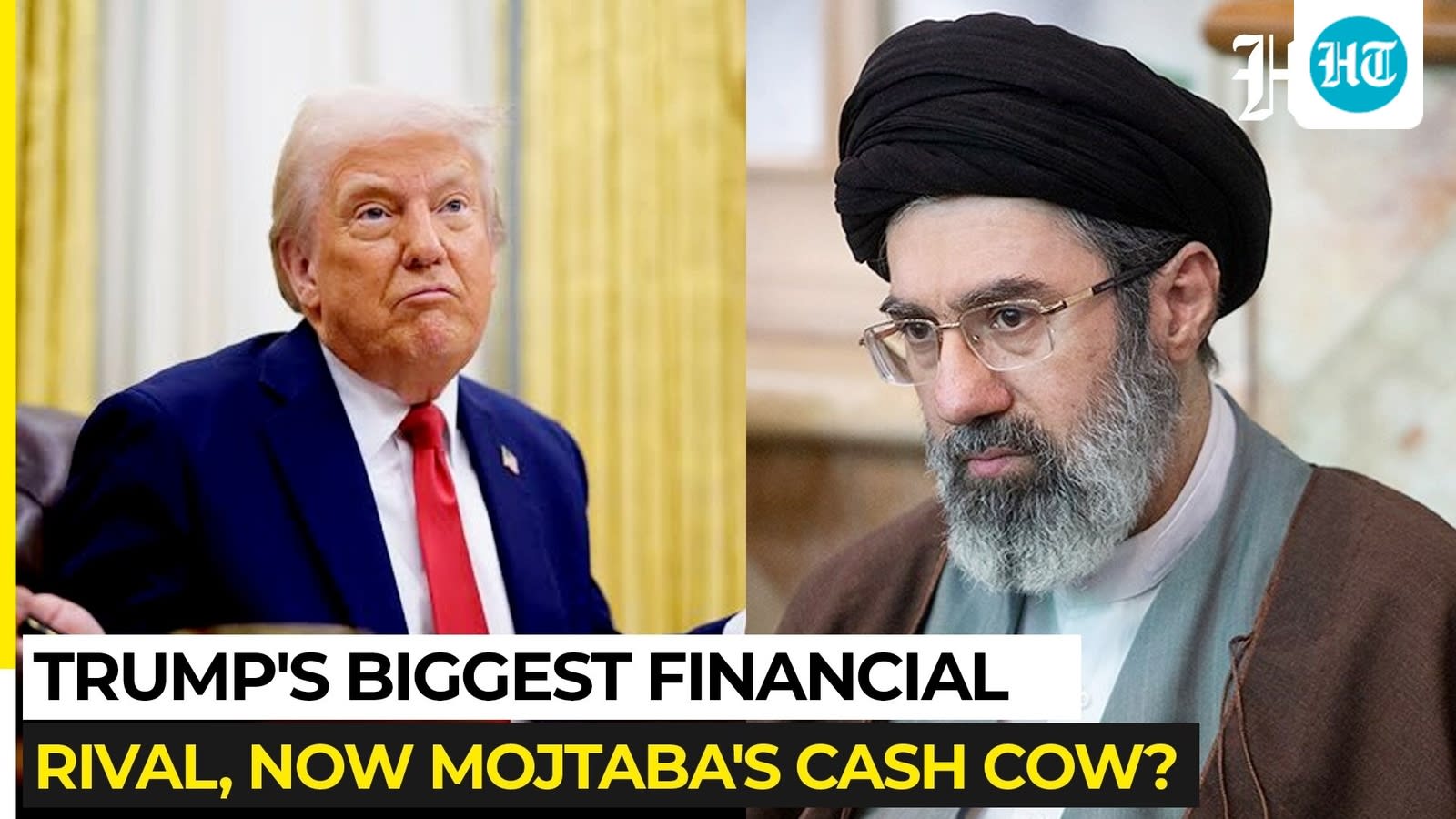
Iran is actively lobbying BRICS members to adopt a new financial corridor designed to bypass the U.S. dollar and SWIFT system. This initiative seeks to integrate national payment infrastructures to mitigate the impact of Western sanctions and reduce transaction costs.
The Shift Toward a De-dollarized Financial Architecture
Iran has emerged as a vocal proponent for a structural overhaul of the international financial order, specifically targeting the dominance of the U.S. dollar and the SWIFT messaging system. By proposing a dedicated “financial corridor” to BRICS members, Tehran is attempting to institutionalize a mechanism that facilitates cross-border settlements in local currencies. This move represents a strategic effort to insulate the bloc from the geopolitical leverage traditionally held by Western financial institutions.
Integrating National Payment Systems
The core of the Iranian proposal lies in the technical integration of national payment systems across the BRICS alliance. By linking these disparate infrastructures, member states could theoretically bypass the intermediary banks that currently require transactions to clear through the U.S. dollar-denominated system. For countries facing stringent sanctions, such as Russia and Iran, this connectivity is not merely a matter of economic efficiency but a vital necessity for maintaining global trade links.
The Role of Existing Connectivity
It is important to note that this proposal is not starting from a vacuum. Russia, China, and Iran have already established foundational elements of financial connectivity, such as bilateral currency swap agreements and the development of alternative messaging services to SWIFT. The Iranian initiative aims to scale these existing bilateral successes into a cohesive, bloc-wide architecture that could eventually serve as a robust alternative to Western-controlled systems.
Economic Implications for the BRICS Bloc
Proponents within the Iranian government argue that this framework will significantly reduce transaction costs and accelerate payment processing times. By settling trade in local currencies, BRICS members can minimize exposure to exchange rate volatility and reduce the reliance on foreign currency reserves. If successfully implemented, this could fundamentally alter the cost-benefit analysis of international trade for emerging economies looking to diversify away from the dollar.
Geopolitical Challenges and Future Outlook
While the prospect of a BRICS-led financial corridor is ambitious, it faces significant hurdles, including the need for interoperability between diverse regulatory frameworks and the challenge of establishing a unified clearing mechanism. Furthermore, the extent to which major economies like China and India are willing to fully decouple from the dollar remains a point of intense geopolitical speculation. As the bloc evaluates Iran's proposal, the world watches to see if this represents a temporary tactical alignment or the beginning of a permanent shift in global financial hegemony.
Verification Required?