Iran’s new weapon against Israel: How a simple ‘exclusive’ could become an entry point for IRGC
Source Entity
Latest News: Todays Latest News Headlines from India & World | Hindustan Times | Hindustan Times
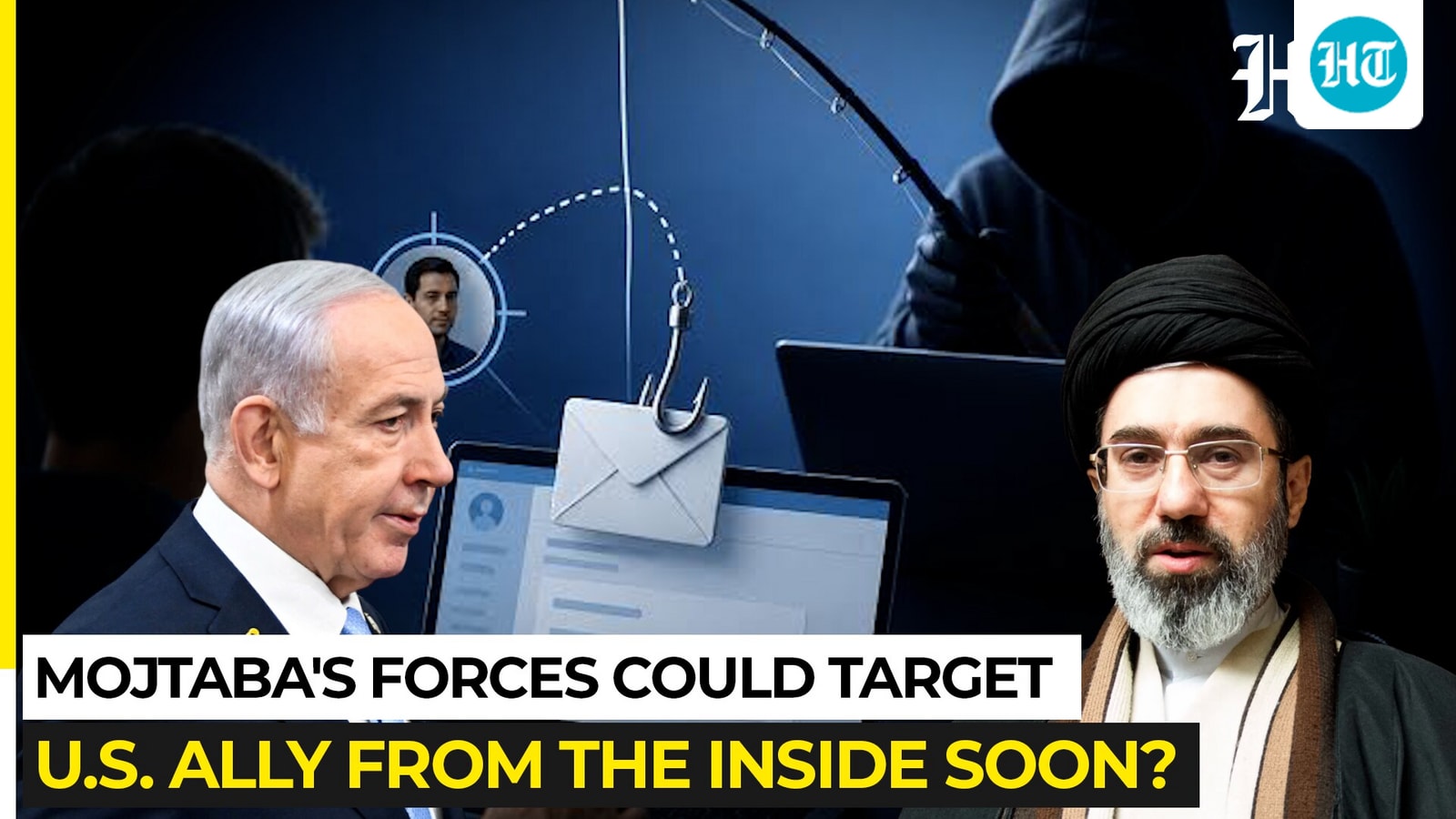
Iranian intelligence operatives are targeting Israeli journalists with sophisticated phishing campaigns via encrypted messaging apps. By offering fake exclusive content, these actors attempt to compromise credentials and gain access to sensitive security reporting.
The Evolution of Iranian Cyber Warfare
Recent reports from Israel’s Shin Bet and the National Cyber Directorate indicate a strategic shift in Iranian intelligence operations targeting the Israeli media landscape. Rather than relying solely on brute-force technical attacks, Iranian operatives are employing social engineering tactics designed to build rapport with journalists. By utilizing platforms like WhatsApp and Telegram, these actors establish a veneer of legitimacy, often posing as sources with access to sensitive regional footage.
The Mechanics of the Phishing Campaign
The campaign specifically targets media professionals by offering 'exclusive' material, such as footage from the Persian Gulf and the Strait of Hormuz. These lures are designed to exploit the professional curiosity and competitive nature of investigative journalism. Once trust is established, the operatives provide malicious links that, when clicked, are intended to harvest credentials, potentially granting Iranian intelligence access to private communications, source lists, and classified security reporting.
Implications for Press Freedom and Security
This development poses a significant threat to the integrity of Israeli security journalism. When reporters are targeted, the risk extends beyond the individual to the confidential sources they represent. If an operative successfully gains access to a journalist’s credentials, the chain of custody for sensitive intelligence information is broken, putting whistleblowers, military sources, and government officials at risk of exposure to hostile state actors.
Strategic Intentions of the IRGC
The involvement of suspected Iranian intelligence, likely linked to the Islamic Revolutionary Guard Corps (IRGC), underscores a broader geopolitical strategy. By infiltrating the media ecosystem, Iran seeks to gain early warning of Israeli security assessments and potentially plant disinformation. This 'quieter route' of cyber aggression demonstrates a sophisticated understanding of how to leverage information warfare to influence regional stability.
The Broader Cyber Conflict
This incident is emblematic of the ongoing, low-intensity cyber conflict between Israel and Iran. While traditional military posturing remains visible, the digital domain has become the primary theater for espionage. The shift toward targeting the press highlights a shift in focus toward 'soft' targets that hold 'hard' information, necessitating higher levels of digital hygiene and operational security within newsrooms.
Conclusion and Future Outlook
As Iranian operatives continue to refine these social engineering tactics, the burden of defense falls heavily on media organizations to implement rigorous authentication protocols. The targeting of Haaretz reporters serves as a stark reminder that in the modern era, a journalist’s digital footprint is a critical component of national security. Moving forward, we can expect such phishing attempts to become more personalized, requiring constant vigilance to protect the sanctity of the free press against state-sponsored espionage.
Verification Required?