Is this Mojtaba’s biggest blow to Trump? Iran just caught America’s ‘most advanced’ underwater drone
Source Entity
Latest News: Todays Latest News Headlines from India & World | Hindustan Times | Hindustan Times
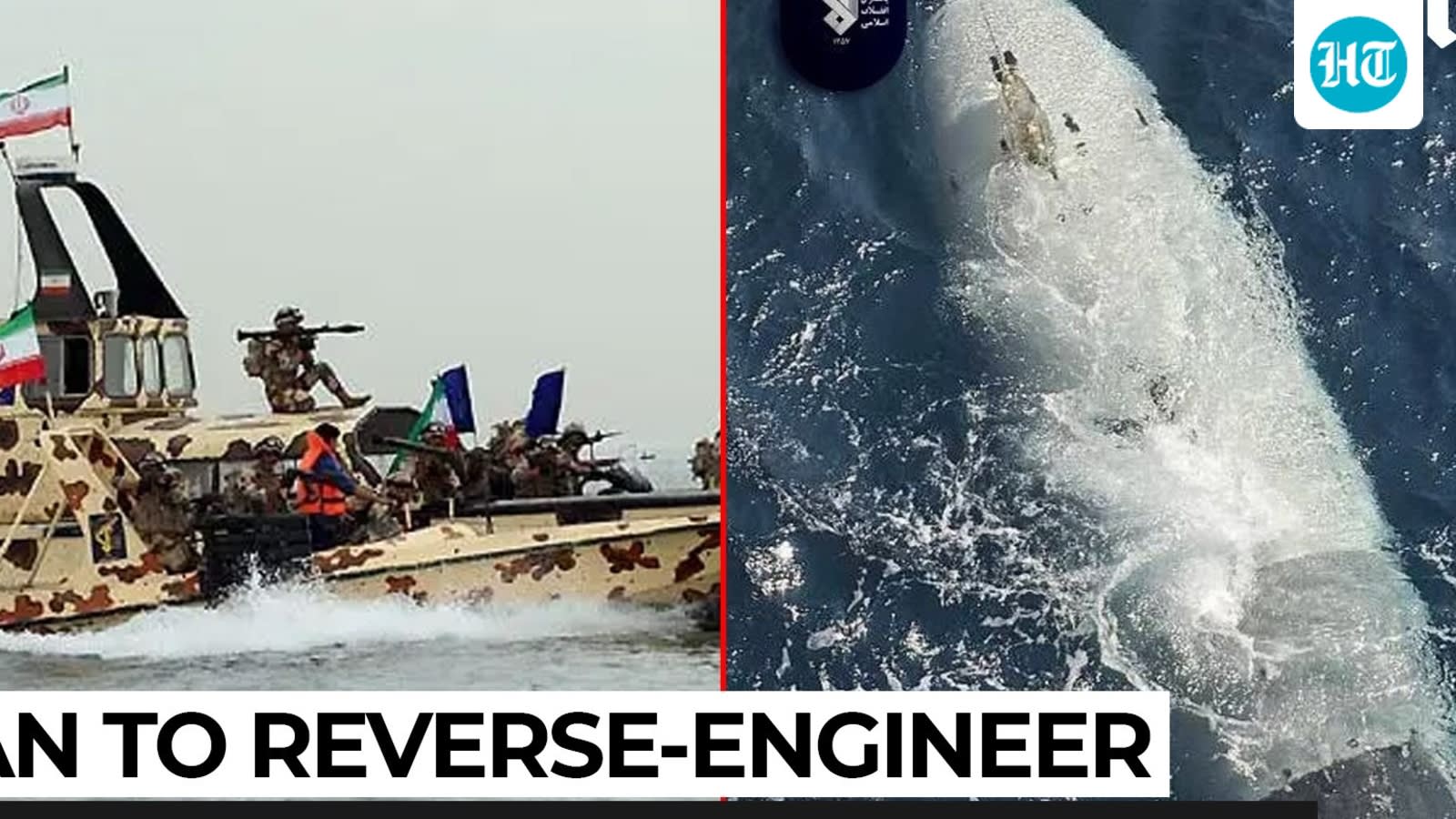
Iran’s IRGC claims to have captured an advanced U.S. unmanned underwater vehicle in the Strait of Hormuz. The incident follows heightening regional tensions and has prompted high-level emergency meetings among Iranian leadership in Tehran.
Tensions Surge in the Strait of Hormuz
In a significant escalation of maritime tensions, Iran’s Revolutionary Guards (IRGC) have issued a formal claim that their naval forces successfully captured an advanced, unmanned U.S. submarine near the entrance to the Strait of Hormuz. The IRGC characterized the operation as a "complex intelligence and operational" achievement, asserting that the vessel is one of the most sophisticated assets in the American naval arsenal. While the reports remain unverified by Washington, the claim has sent shockwaves through the region, highlighting the precarious nature of military activities in one of the world's most vital maritime chokepoints.
The Strategic Significance of the Strait
The Strait of Hormuz serves as a critical artery for global energy supplies, and its proximity to Iran’s southern port city of Bandar Abbas makes it a frequent theater for geopolitical posturing. The reported seizure occurs against the backdrop of a broader, months-long conflict in West Asia and an ongoing naval blockade. By targeting what they describe as a "smart" submarine, Iran is signaling both its technical surveillance capabilities and its willingness to challenge U.S. naval presence directly, potentially shifting the status quo of maritime dominance in the region.
High-Level Political Repercussions
Following the reported capture, the Iranian leadership convened an emergency, high-level meeting in Tehran. President Masoud Pezeshkian met with Parliament Speaker Mohammad Bagher Ghalibaf and the head of the judiciary to deliberate on the implications of this event. Such a gathering suggests that the Iranian state views the incident not merely as a tactical military victory, but as a significant political lever to be managed in the context of its current relationship with the United States and the broader regional security framework.
Analysis of the U.S.-Iran Maritime Standoff
This incident takes place as relations between Washington and Tehran remain volatile. Reports indicate that the capture coincides with claims from U.S. President Donald Trump regarding the efficacy of an American naval blockade. The juxtaposition of these narratives suggests a deepening cycle of provocation and response. As both nations trade claims—with the U.S. yet to confirm the loss of any submersible—the potential for miscalculation in the narrow, congested waters of the Strait remains a primary concern for international observers.
Future Trends and Regional Stability
Looking ahead, the verification of this claim will be essential to understanding the next phase of this naval standoff. If the capture is confirmed, it could lead to increased U.S. naval deployments to secure assets and protect maritime lanes. Conversely, if the claim is found to be a strategic fabrication or exaggeration, it serves as a potent propaganda tool for the Iranian government to project strength domestically and internationally. Regardless, the event underscores the reality that the Strait of Hormuz remains a flashpoint where technological warfare and conventional power dynamics collide, with far-reaching consequences for global security.
Verification Required?