Here’s what each additional month of Iran-conflict disruption means for oil prices
Source Entity
Barbara Kollmeyer
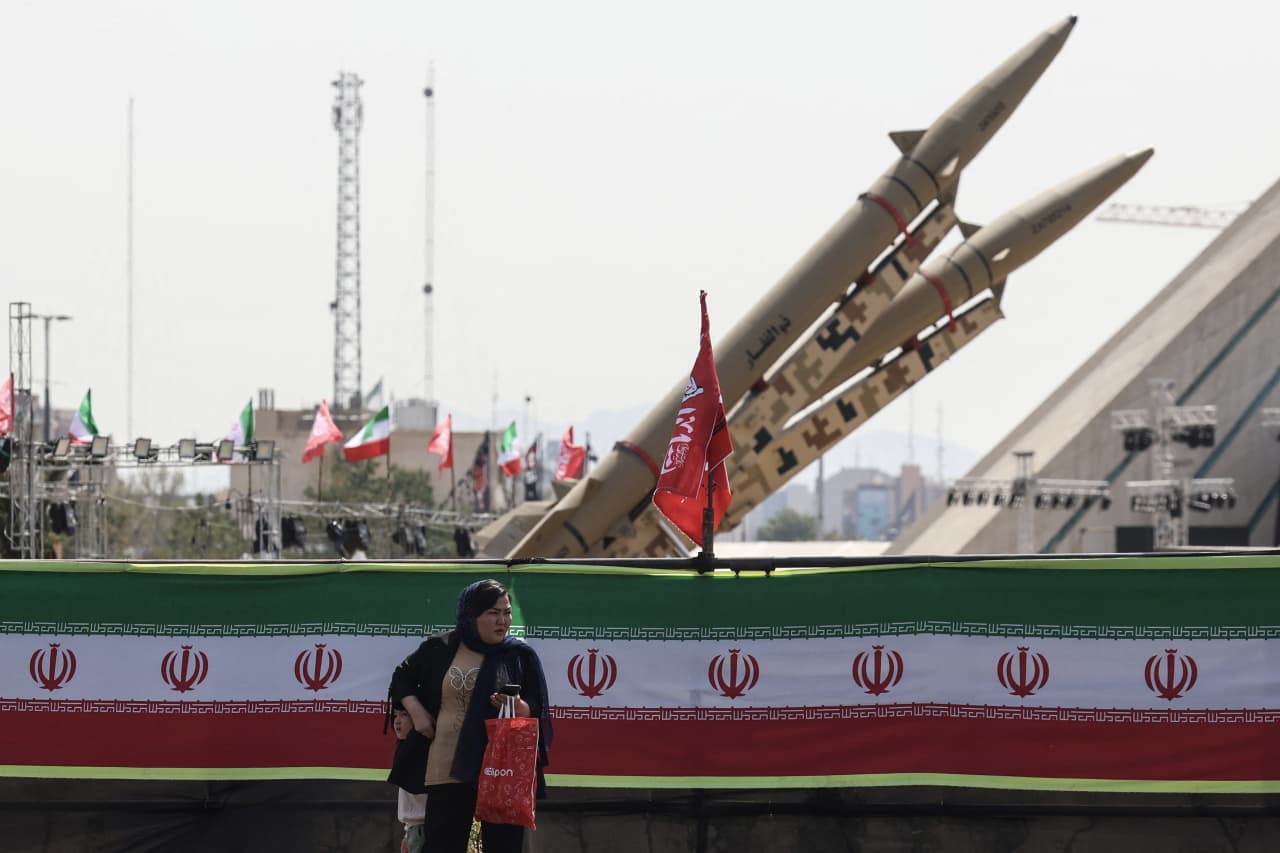
JPMorgan analysts note that global oil prices remain surprisingly stable despite ongoing Iran-related conflict. The market's future trajectory is now heavily dependent on Chinese economic demand and consumption levels.
The Resilience of Global Oil Markets Amid Geopolitical Instability
Recent geopolitical tensions involving Iran have historically served as a catalyst for immediate and sharp spikes in global oil prices. However, current market behavior reveals a departure from this traditional response. According to recent reports from JPMorgan analysts, the oil market has demonstrated remarkable restraint, maintaining a level of stability that defies the typical volatility associated with regional conflicts in the Middle East.
Analyzing the Market Restraint
This unexpected resilience suggests that the market may have already priced in a baseline level of regional instability, or perhaps that global supply chains have become more diversified and adaptable than they were in previous decades. While fresh hostilities often trigger 'war premiums' in commodity pricing, the current lack of an aggressive upward trend indicates that traders are prioritizing data on physical supply and demand over speculative geopolitical fears.
The Critical Role of China in Global Demand
At the heart of this price stability is the shifting influence of China, the world's largest oil importer. JPMorgan’s analysis highlights that the future of oil pricing is now intrinsically linked to Chinese economic performance. As China navigates its own domestic economic transitions and industrial output challenges, its appetite for crude oil acts as the primary anchor for global price equilibrium.
Broader Economic Implications
If the conflict in Iran were to escalate significantly, the primary concern for the global economy would be the potential disruption of the Strait of Hormuz, a critical maritime chokepoint. While the market is currently restrained, any tangible impact on transit volumes would force a re-evaluation of current price floors. Investors are watching closely to see if China’s demand can offset potential supply shocks or if a slowdown in Chinese manufacturing will continue to suppress global price growth.
Future Trends and Market Outlook
Looking ahead, the interplay between Iranian geopolitical risk and Chinese demand will dictate the volatility index for energy markets. Experts suggest that as long as China’s import levels remain predictable, global oil markets may continue to absorb geopolitical shocks without extreme price fluctuations. However, stakeholders should remain cautious, as the convergence of supply-side disruptions and shifting industrial demand in Asia creates a complex environment for long-term forecasting.
Concluding Perspectives
In summary, the current stability in oil prices is a testament to the evolving dynamics of the global energy landscape. While Iran remains a central figure in regional conflict, the market's focus has clearly pivoted toward the economic health of major consumers like China. This shift marks a significant change in how geopolitical events are interpreted by global commodity traders, emphasizing that demand-side health is currently as important as supply-side security.
Verification Required?