Iran hits Trump ally before NATO strikes Putin's Kaliningrad: Is Europe sliding into wider war?
Source Entity
Latest News: Todays Latest News Headlines from India & World | Hindustan Times | Hindustan Times
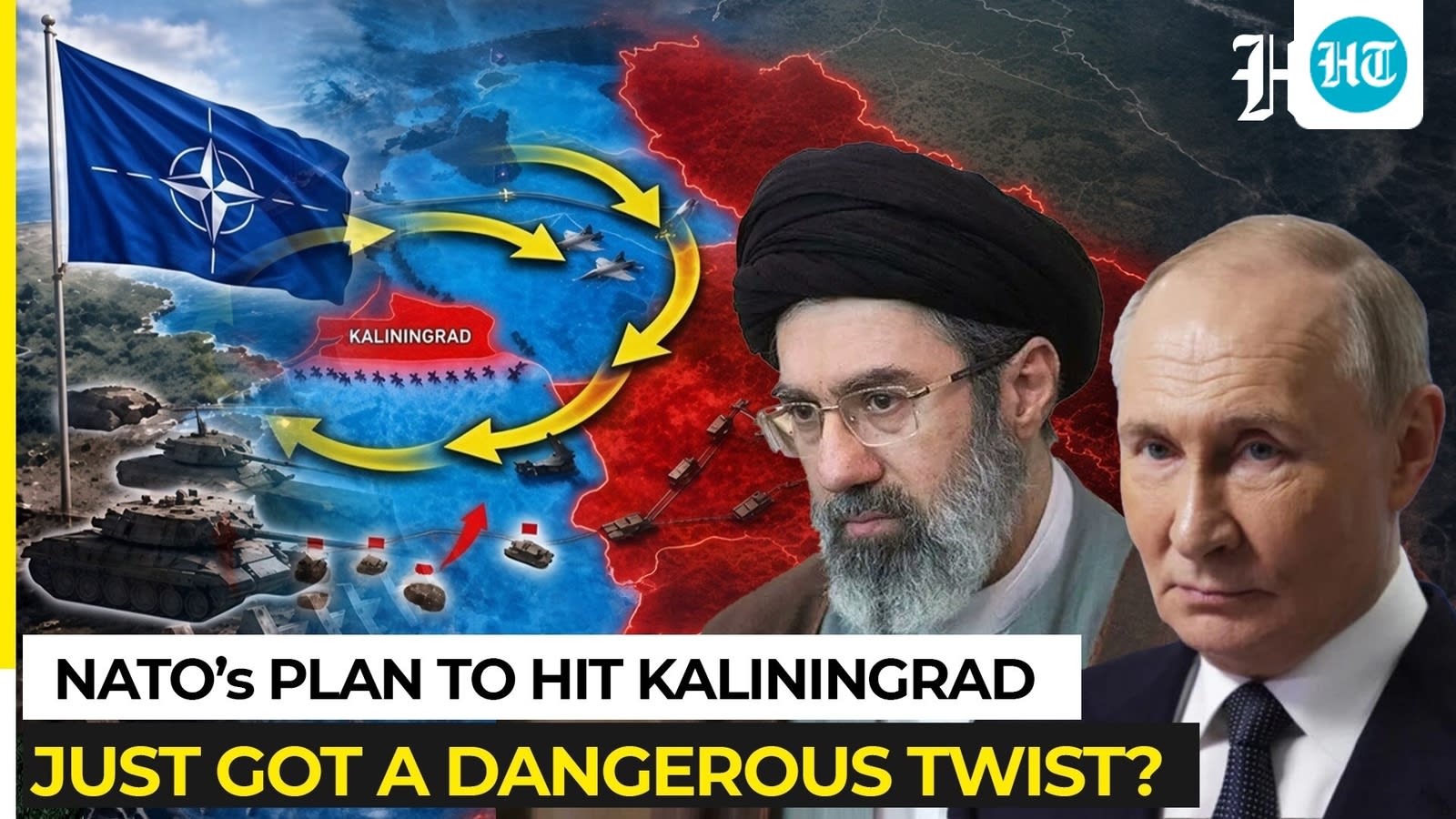
Britain is on high alert as security experts warn that Iran-linked cyberattacks targeting critical infrastructure could signal a broader escalation in global conflict. These incidents, occurring alongside rising NATO-Russia tensions, highlight the increasing vulnerability of Western power and water systems to digital warfare.
The Escalating Threat of State-Sponsored Cyber Warfare
Recent reports indicate that Britain has been placed on high alert following a series of sophisticated cyber operations linked to Iranian actors. These incidents, which have reportedly targeted U.S. water facilities and allegedly disabled a U.K. power facility for four days, represent a significant shift in the landscape of modern international conflict. The reliance of essential services—such as water supply and electricity grids—on interconnected digital networks has turned these systems into primary targets for state-sponsored entities seeking to exert pressure on Western nations.
Vulnerabilities in Critical Infrastructure
The vulnerability of critical infrastructure to digital sabotage is no longer a theoretical risk but an active front in global confrontation. Security experts emphasize that the convergence of operational technology (OT) and information technology (IT) has created entry points for adversarial actors. By targeting utilities, hackers are not merely seeking data; they are aiming to disrupt the foundational services that sustain daily life, thereby undermining public confidence and national security. The four-day shutdown of a U.K. power facility serves as a stark case study of how quickly digital incursions can manifest into physical service disruptions.
The Intersection of Cyber and Conventional Tensions
This surge in cyber activity is occurring against a backdrop of heightened geopolitical instability. With NATO tensions rising and the Kaliningrad exclave serving as a persistent flashpoint between Russia and the West, the theater of conflict has expanded beyond traditional military posturing. Experts argue that cyber warfare is increasingly being used as a tool to complement traditional military strategies, allowing state actors to probe Western defenses and create chaos without triggering an immediate, conventional military response.
Kaliningrad and the Wider Geopolitical Context
Kaliningrad’s unique position, wedged between NATO members, makes it a focal point for security analysts monitoring potential escalation. As the West navigates its stance on regional security, the threat of cyber warfare adds a layer of complexity to deterrence. If cyberattacks are viewed as a precursor to or a component of a wider confrontation, the threshold for what constitutes an act of war becomes increasingly blurred, challenging traditional definitions of sovereignty and national defense.
Future Trends and Defensive Imperatives
Looking ahead, the integration of cyber warfare into the strategies of adversarial nations suggests that critical infrastructure protection will remain a top priority for Western governments. Future trends indicate a likely increase in 'grey zone' tactics—actions that fall below the threshold of open warfare but inflict significant domestic damage. Strengthening the resilience of power grids and water supply systems against these sophisticated, state-linked threats will be essential to preventing a wider slide into systemic crisis, necessitating enhanced international cooperation and intelligence sharing.
Verification Required?