Before The Nepal Flood, A Glacial Fall: Tracing The Trigger, And A 100-km Killer Run
Source Entity
NDTV News Search Records Found 1000
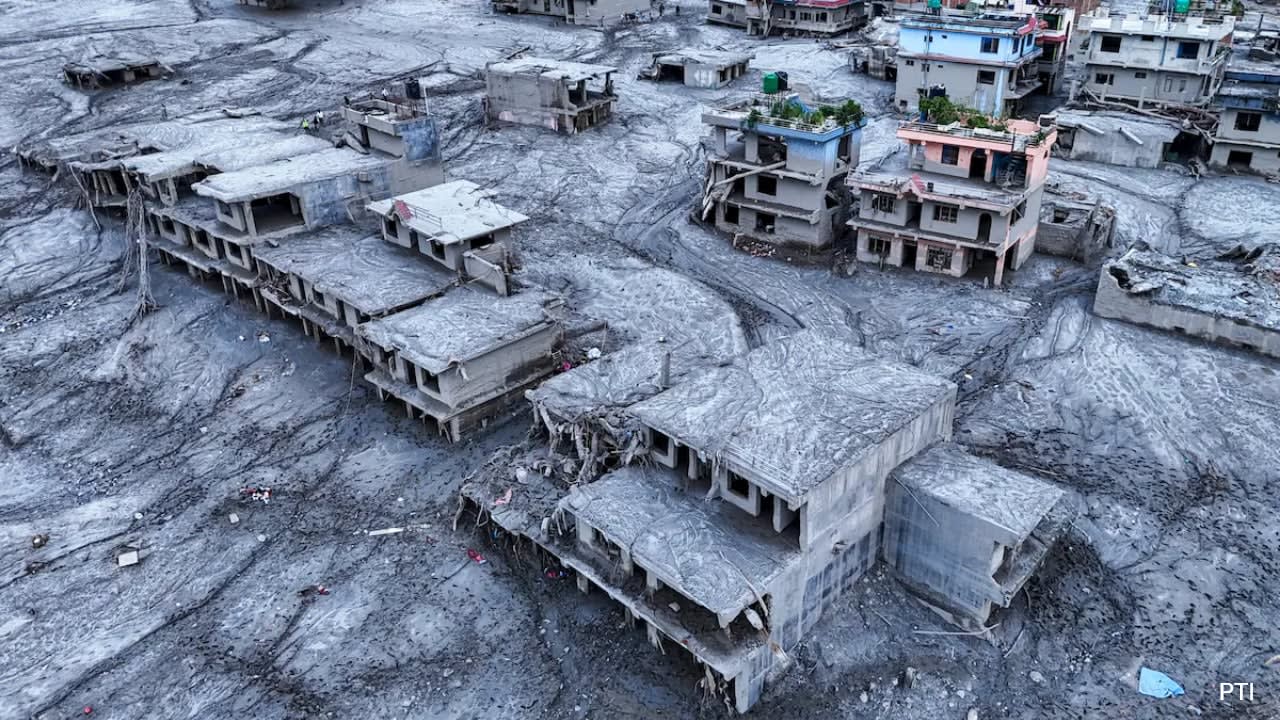
A catastrophic glacial avalanche in Nepal triggered a destructive 100-km flood run. The debris and water surged along the river channel, impacting areas as far as Devighat.
The Anatomy of a Himalayan Disaster: Tracing the Glacial Trigger
The recent catastrophic flooding in Nepal has been traced back to a massive glacial avalanche, an event that serves as a grim reminder of the volatility inherent in high-altitude cryospheric systems. When a glacier fails, the resulting instability does not merely displace ice; it converts potential energy into a kinetic, fluid force that cascades down mountain slopes. The specific event in question highlights the terrifying efficiency with which these disasters travel, moving from the point of origin to downstream communities with little warning.
The Path of Destruction: A 100-km Killer Run
The scale of this disaster is best understood through the reach of its impact. Spanning a 100-km path, the floodwaters and debris followed the natural topography of the river channel. While the avalanche site might appear distant in a straight-line measurement, the hydraulic connectivity of the river system acted as a conduit, amplifying the reach of the disaster. This 'killer run' demonstrates how mountainous terrain can channel and accelerate glacial debris, turning a remote high-altitude collapse into a lowland catastrophe.
Spatial Discrepancies: Straight Lines vs. River Channels
A critical aspect of this analysis is the distinction between the straight-line distance and the actual river channel distance. While Devighat is situated 55 km from the avalanche site in a straight line, it is located 80 km along the river channel. This variance is crucial for emergency management and hydrological modeling. It suggests that the flood surge did not merely move through the air or across land, but was strictly governed by the river's path, which dictates the velocity and volume of the flow reaching downstream settlements.
Environmental Implications and Future Risks
As climate change continues to impact the Himalayas, the structural integrity of glaciers is increasingly compromised. The conversion of glacial ice into liquid mass during an avalanche creates a 'debris flow' that is far more destructive than standard water flooding. These flows carry sediment, boulders, and ice blocks, which act as projectiles against infrastructure. The fact that this surge reached as far as Devighat underscores the vulnerability of river-valley communities that are situated along these natural drainage basins.
Concluding Perspectives
In conclusion, the event highlights the urgent need for enhanced early warning systems that account for the unique physics of glacial outbursts. Understanding the difference between straight-line distance and channel distance is not just an academic exercise but a necessity for mapping hazard zones. As we look toward the future, the integration of real-time monitoring and topographical awareness will be the only way to mitigate the risks posed by the increasing frequency of glacial instabilities in regions like Nepal.
Verification Required?