From society to politics: Bhagwat lays out RSS route to change
Source Entity
MANASH PRATIM GOHAIN
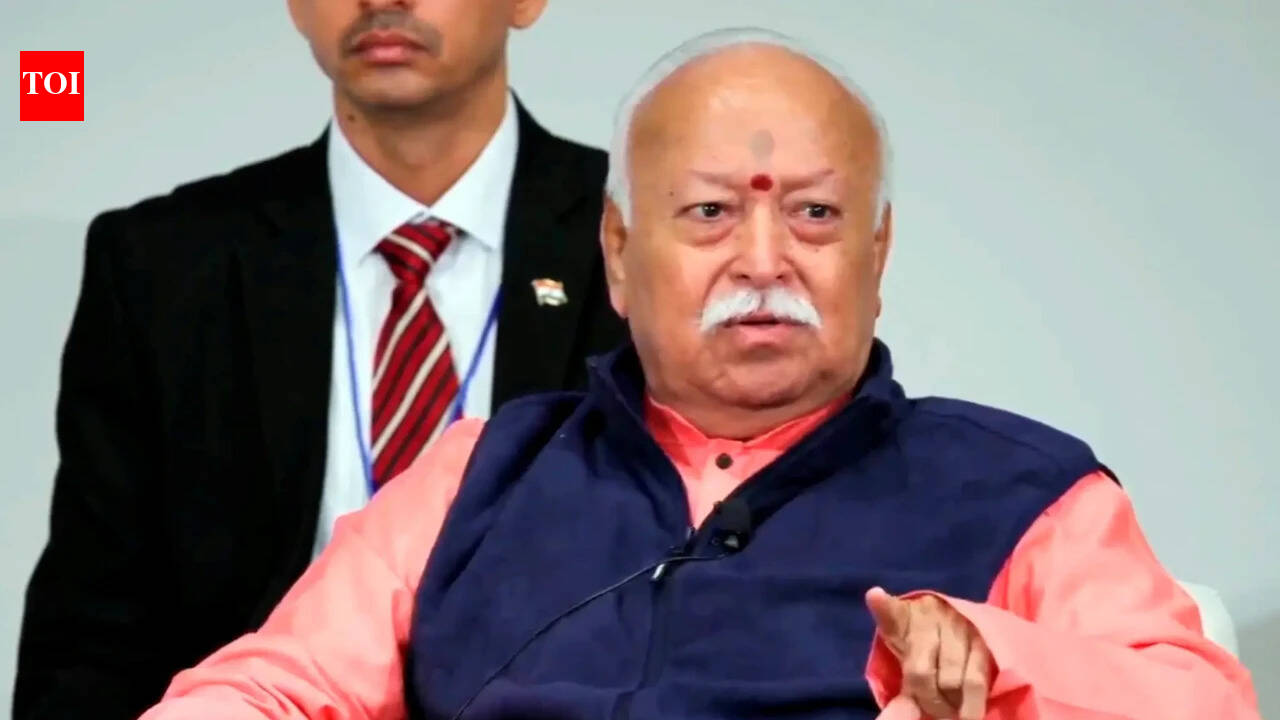
The U.S. Commission on International Religious Freedom has called for sanctions against RSS chief Mohan Bhagwat and his organization ahead of his scheduled New York event. Meanwhile, X has suspended the account of the event's organizer, AHEAD, amid public discourse surrounding the rally.
Tensions Rise Over RSS Chief’s U.S. Visit
The upcoming visit of Rashtriya Swayamsevak Sangh (RSS) chief Mohan Bhagwat to New York City has sparked a significant diplomatic and social debate. Scheduled to speak at the “Universal Oneness Celebration” at the Infosys Theater at Madison Square Garden on August 29, 2026, the event has become a flashpoint for concerns regarding religious freedom and political ideology.
USCIRF Calls for Sanctions
In a formal statement released on August 26, the U.S. Commission on International Religious Freedom (USCIRF), a bipartisan government body, issued a strong rebuke. Chair Asif Mahmood urged the U.S. government to consider imposing targeted sanctions on RSS members and Indian officials alleged to be complicit in religious freedom violations. The commission specifically called for the revocation of Mohan Bhagwat’s visa, framing the RSS as the ideological parent organization of India’s ruling Bharatiya Janata Party (BJP).
Digital Scrutiny and Account Suspensions
Parallel to the calls for sanctions, the organizational infrastructure for the event has faced digital hurdles. The social media platform X (formerly Twitter) suspended the account of the American Hindus for Engagement and Dialogue (AHEAD) forum, the primary organizer of the event. While X has not publicly disclosed the specific rationale for this suspension, the move has drawn significant attention as AHEAD continues to appeal for the restoration of its digital presence in the days leading up to the high-profile rally.
Local Political Context
Local governance in New York has also intersected with the controversy. New York official Zohran Mamdani publicly clarified his opposition to the RSS and the scheduled event. Despite his personal stance, Mamdani noted that the city administration lacks the legal jurisdiction to cancel the event, highlighting the complexities of balancing local administrative authority with concerns over international political figures and their associated ideologies.
Broader Implications for Diaspora Engagement
This incident underscores the increasingly polarized environment surrounding Indian diaspora events in the United States. As organizers like AHEAD attempt to frame the gathering as a celebration of "Universal Oneness" and cultural traditions like Raksha Bandha, the intervention of federal agencies like the USCIRF suggests a growing scrutiny of transnational ideological influence. The situation reflects a broader trend where international human rights discourse directly impacts the logistics and public reception of political events on American soil.
Future Trends in Transnational Political Discourse
Looking forward, the intersection of social media moderation policies, federal human rights monitoring, and local municipal oversight is likely to continue challenging how international political groups operate within the U.S. The pressure applied by the USCIRF and the subsequent digital challenges faced by the organizers suggest that future visits by prominent foreign ideological figures will be met with heightened institutional and public scrutiny, potentially reshaping the landscape for diaspora-led political and cultural activities in the United States.
Multiple Citing Sources