11 Indian-Origin US Citizens On Kailash Trip Missing After Nepal Floods
Source Entity
NDTV News Search Records Found 1000
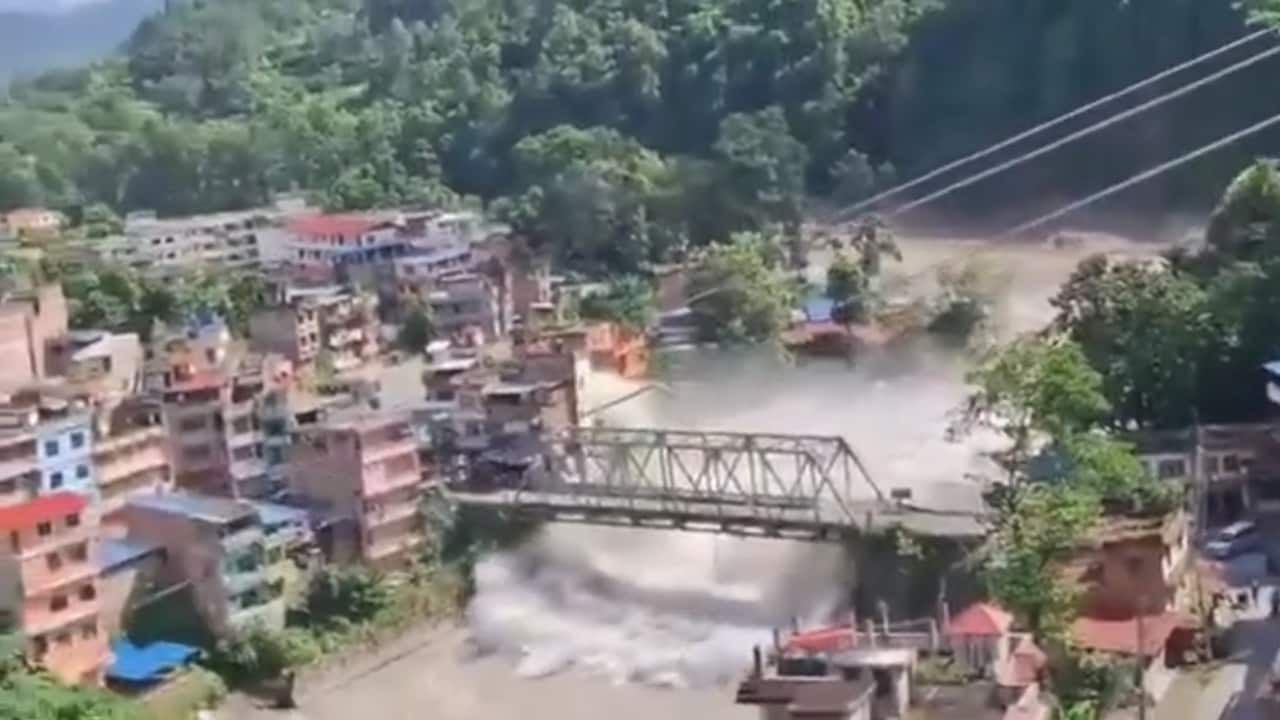
Flash floods along the Nepal-Tibet border have resulted in tragic loss of life and missing persons, leaving families in India and Nepal in deep distress. Relief operations are currently underway as survivors recount harrowing tales of survival and loss.
The Human Tragedy of Nepal's Flash Floods
Recent flash floods along the Nepal-Tibet border have transformed tranquil landscapes into scenes of devastation, leaving a trail of grief for families across Nepal and India. The sudden onset of mud, rock, and water has claimed lives and destroyed livelihoods, forcing survivors to grapple with the immediate loss of loved ones and the uncertain fate of those still missing. These events serve as a sobering reminder of the volatility of mountain regions prone to extreme weather events.
Personal Accounts of Survival and Loss
The human cost of this disaster is best captured through the harrowing stories of survivors like Shyam Lal Thapa, a 52-year-old farmer from the Rasuwa district. His account—describing the impossible struggle to hold onto his wife’s hand against an overwhelming current—highlights the sheer physical force of the floods. For many like Thapa, whose families have cultivated land in these border districts for generations, the disaster has erased not just their homes, but their ancestral connection to the soil, leaving them displaced and traumatized in relief camps.
The Agony of Uncertainty for Families
Beyond the local impact, the disaster has cast a wide net of anxiety over families in India awaiting news of their relatives. The case of Aparna and Sameer Joshi, a Thane-based couple on their first Kailash-Mansarovar Yatra, illustrates the agonizing wait faced by kin. With communication lines severed and the last contact dating back to August 26, families are left to rely on fragmented updates as rescue efforts enter their third day. This uncertainty is shared by families in Bhopal, who received chilling final phone calls from relatives trapped in submerged houses, pleading for the safety of their children.
Broader Implications of Mountain Disasters
The geography of the Nepal-Tibet border makes rescue operations exceptionally complex. The infrastructure damage, characterized by submerged homes and debris-filled terrain, hinders the deployment of heavy equipment and search efforts. The use of sniffer dogs and aerial reconnaissance, as seen in Devighat, Nuwakot district, underscores the difficulty authorities face in locating survivors. These events highlight the critical need for robust disaster management frameworks in high-altitude regions that are increasingly susceptible to climate-induced flash floods.
Looking Ahead: Preparedness and Resilience
As the search operations continue, the focus must shift toward providing psychological and economic support to the survivors. The emotional toll on families, compounded by the loss of livelihoods, suggests a long road to recovery. Future policy trends will likely emphasize the importance of early warning systems and more resilient infrastructure in the Himalayas. Ultimately, the tragedy serves as a poignant call for regional cooperation in disaster mitigation, ensuring that when the next surge of water arrives, the human cost is significantly diminished.
Multiple Citing Sources
Verification Required?